


(0)1622 589 999

info@allfloorstradecenter.co.uk

LVT (Luxury Vinyl Tile) flooring is a versatile, resilient material designed to mimic natural surfaces like wood or stone while offering superior durability and water resistance. It comprises multiple layers that provide strength, comfort, and a protective upper layer that enhances its longevity and scratch resistance. LVT is available in a variety of styles, thicknesses, and installation methods, allowing for customised options based on design and functional requirements. It offers realistic textures and visuals, making it a popular choice for both residential and commercial spaces seeking an aesthetic yet low-maintenance flooring solution.
LVT, or Luxury Vinyl Tile, flooring is manufactured through a multi-step process that combines resilience and aesthetic appeal.
This comprehensive manufacturing approach results in LVT flooring that is visually impressive, durable, water-resistant, and easy to maintain.
LVT (Luxury Vinyl Tile) flooring has a notable environmental impact that varies based on production, installation, and disposal methods. Primarily, LVT is derived from PVC, which raises concerns due to high energy consumption and emissions during manufacturing. According to a study by the Building Research Establishment (BRE), PVC production can release harmful dioxins into the environment.
Environmental impact can be influenced by factors such as the use of recycled materials, the source of raw vinyl, and the efficiency of manufacturing processes.
Yes, LVT (Luxury Vinyl Tile) flooring does contribute to pollution. A study by the European Chemicals Agency outlines that LVT flooring can release volatile organic compounds (VOCs) that contribute to indoor air pollution.
LVT flooring can affect indoor air quality by emitting volatile organic compounds (VOCs); however, many manufacturers now offer low-VOC options. A study by the Environmental Protection Agency (EPA) found that materials with low VOCs can significantly reduce indoor air pollutants.
Yes, LVT flooring is recyclable, allowing the materials to be repurposed and reducing environmental waste impact.
Yes, LVT flooring can be reused if removed carefully, although conditions like the adhesive used and the flooring's condition can affect this.
Recycling LVT flooring presents difficulties due to mixed material composition and improper labelling, complicating separation processes. Carefully managed recycling can mitigate environmental impacts but requires innovative solutions and industry commitment.
LVT flooring is often criticised for its environmental impact due to production emissions and non-biodegradable materials. However, it offers durability and water resistance, reducing replacement frequency. According to a study by the European Commission, LVT's life cycle has a lower greenhouse gas emission compared to some hardwood types.
LVT flooring tends to be less eco-friendly than hardwood due to its synthetic materials and production process.
When comparing LVT (Luxury Vinyl Tile) flooring to laminate flooring in terms of sustainability, several factors come into play.

| Pros | Cons |
|---|---|
| Durable and long-lasting | Can be relatively expensive |
| Water-resistant | May require professional installation |
| Easy to clean and maintain |
Yes, LVT flooring offers durability, designed to withstand high traffic and resist scratches and moisture.
Yes, LVT (Luxury Vinyl Tile) flooring is considered cost-effective due to its durability and aesthetic appeal.
The price range for LVT flooring typically falls between £2 and £7 per square foot, making it an economically viable option for many homeowners.
LVT flooring comes with drawbacks such as potential fading under sunlight exposure, susceptibility to scratches, and difficulty in repair if damaged. It can also emit VOCs, impacting indoor air quality.
LVT (Luxury Vinyl Tile) flooring is associated with a significant environmental cost due to its production and disposal processes. The production of LVT involves high energy consumption and release of harmful chemicals.
Yes, there are potential health concerns with LVT (luxury vinyl tile) flooring, particularly regarding phthalates, which can emit VOCs affecting indoor air quality. Choosing low-VOC options can mitigate these risks.
Reducing the environmental impact of LVT flooring involves selecting products made from recycled materials and using eco-friendly adhesives. Implementing take-back programmes for old flooring can aid in responsible disposal and recycling efforts.
Sustainable practises in LVT production include recycling materials, reducing VOC emissions, and using water-based inks.
Eco-friendly choices with LVT flooring involve selecting products with low VOC emissions, recyclable content, and responsible production practises. Here’s a checklist to guide decisions:
In this article, we explored various flooring types, focusing on their unique attributes, durability, and maintenance needs, including wood, laminate, tile, and carpet flooring.
Understanding these flooring options empowers informed choices tailored to specific needs and preferences.
An LVT flooring wear layer is the top surface of luxury vinyl tile that protects it from scratches, stains, and wear. It plays an essential role in the durability and longevity of the flooring. The thickness of the wear layer varies, typically ranging from 6 to 30 mils, with thicker layers offering better protection. Factors such as foot traffic and maintenance can influence the effectiveness of the wear layer. Additionally, features like UV resistance and embossing can help distinguish different LVT wear layers, enhancing visual appeal and performance.
The wear layer in Luxury Vinyl Tile (LVT) flooring is a clear, durable surface that guards against scratches, stains, and scuffs. This layer enhances the longevity of LVT by providing a barrier to daily wear and tear while maintaining the flooring's appearance. Unique to LVT flooring, the wear layer offers UV protection to prevent fading, ensuring the floor stays vibrant over time. Its effectiveness is often measured by its thickness, with thicker layers providing superior protection in high-traffic areas.
LVT wear layers consist of multiple synthetic materials that provide durability and protection.
These materials combine to ensure resistance against scratches, stains, and general wear, maintaining the flooring’s aesthetic appeal over time.
LVT wear layers come in various thicknesses, typically including 6 mil, 12 mil, 20 mil, and 28 mil, with each offering different levels of protection and durability against wear and tear, suitable for residential or commercial use.
Wear layer thickness directly impacts a floor's durability, with thicker layers generally providing greater resistance to scratches, dents, and general wear. A thicker wear layer acts as a protective shield, helping floors withstand daily foot traffic and potential damages, especially in high-traffic areas. Conversely, a thinner wear layer is less able to handle such strains, potentially leading to faster wear and tear.
Pros:
Cons:
The standard thickness for residential use is typically 3/4 inches or 19 millimetres, offering a balance of stability and comfort suitable for most home applications.
A flooring thickness of 3.5 mm to 6 mm is generally recommended for commercial spaces to ensure durability and withstand heavy foot traffic.
Selecting the ideal wear layer depends on usage, budget, and desired durability. Thicker wear layers (20-30 mil) offer superior resistance for high-traffic areas, while thinner ones (6-12 mil) suit light-use rooms. Below are some considerations:
Pros of Thick Wear Layers:
Cons of Thick Wear Layers:
Pros of Thin Wear Layers:
Cons of Thin Wear Layers:
Factors like installation environment (home, office), exposure to moisture, and aesthetic preference also impact the choice.
A wear layer is the topmost protective surface of flooring, influencing its durability and appearance. Factors to consider include thickness, which affects longevity and resistance to damage, and material composition, which determines its suitability for various environments. Additionally, consider manufacturer quality ratings, which assess overall performance and aesthetic preferences, matching visual appeal with practical requirements.
Pros and Cons:
Foot traffic, the frequency and weight of footsteps on a floor, significantly impacts the choice of wear layer. High foot traffic areas, like hallways or commercial spaces, require thicker wear layers for enhanced durability and longevity. Conversely, areas with low foot traffic, such as bedrooms, may allow for thinner wear layers, which can be more cost-effective and sufficient for the reduced usage.
Yes, the wear layer of LVT flooring directly impacts its appearance by protecting the printed design layer beneath from scratches and wear. A higher-quality wear layer ensures the printed design maintains its clarity and colour over time, preserving the aesthetic appeal. This layer acts as a buffer against everyday foot traffic and potential damage, thereby sustaining the flooring's original appearance. With varying thicknesses, the wear layer determines the level of durability and resistance to fading, allowing owners to maintain the beauty and vibrant look of their LVT flooring longer.
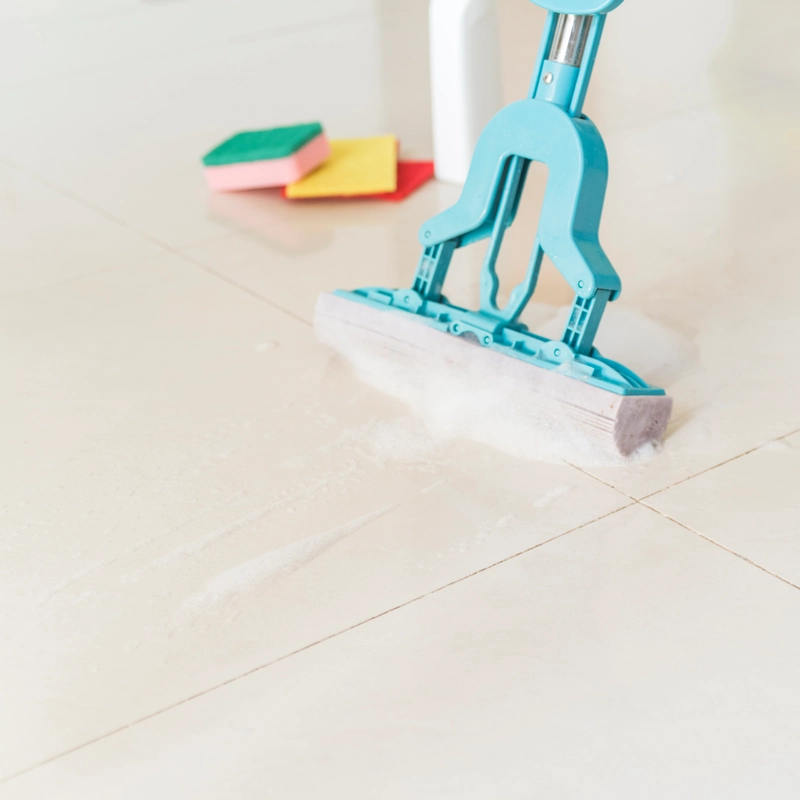
Maintain an LVT flooring wear layer by regular cleaning and protection.
Safe cleaning products for LVT wear layers include pH-neutral cleaners, mild soap, and water mixture. Checklist: 1. Use a pH-neutral cleaner. 2. Dilute mild soap in water. 3. Avoid abrasive tools. 4. Dry with a soft cloth or mop.
LVT flooring should be cleaned weekly with a mild cleaner and daily or as needed with a dry mop to maintain its appearance and longevity.
A thicker wear layer enhances durability, resistance to scratches, and extends the lifespan of flooring. This added thickness allows the floor to withstand heavy foot traffic and reduces the frequency of refinishing or replacing the floor.
Pros:
Cons:
Main benefits for the consumer include improved floor performance and reduced long-term maintenance costs, which make it a cost-effective investment.
A thicker wear layer increases durability by providing a stronger barrier against foot traffic and damage. This enhanced durability is due to its ability to withstand wear and tear, reducing the likelihood of scratches and dents. With a thicker layer, the surface retains its structure and aesthetic longer, crucial for high-traffic areas. Typically found in products like luxury vinyl flooring, this feature significantly boosts the lifespan of the floor, making it a popular choice for both residential and commercial spaces.
A thicker wear layer in flooring offers durability but has its drawbacks.
It’s crucial to balance durability with cost to determine the right choice for your needs.
The wear layer in LVT (Luxury Vinyl Tile) flooring significantly affects its cost, with thicker layers usually leading to higher prices. A thicker wear layer generally implies greater resilience and longevity, suitable for high-traffic areas, thus increasing costs. Conversely, a thinner wear layer is less expensive but might not hold up as well under substantial foot traffic or heavy use.
| Thickness | Pros | Cons |
|---|---|---|
| Thicker | Increased durability and lifespan | Higher cost |
| Thinner | Lower cost | Reduced durability and potential for wear |
Understanding these factors helps determine the appropriate balance between cost and performance needs when choosing LVT flooring.
The price of wear layer thickness in flooring varies based on thickness, material, and quality. Typically, a 6 mil wear layer ranges from £1.50 to £2.50 per square foot, whereas 12 mil might cost £2.50 to £4.00. Thicker layers, such as 20 mil, often range from £3.00 to £5.50 per square foot.
| Wear Layer Thickness | Price Range (per sq ft) |
|---|---|
| 6 mil | £1.50 - £2.50 |
| 12 mil | £2.50 - £4.00 |
| 20 mil | £3.00 - £5.50 |
Factors affecting these prices include material quality, brand reputation, and additional features like scratch resistance. Generally, thicker wear layers offer better durability, making them more suitable for areas with heavy foot traffic.
Yes, thicker wear layers are generally more expensive due to higher durability and longevity, providing better value over time.
Pros:
Cons:
In conclusion, understanding the different types of wood flooring and their attributes helps make informed decisions about installation, care, and cost. Prioritise durability, maintenance needs, and environmental considerations to choose the most suitable wood flooring for your space.
LVT (Luxury Vinyl Tile) flooring thickness generally ranges from 2mm to 8mm, influencing durability and aesthetic appeal. Thicker tiles offer more cushioning and sound insulation, making them more suitable for high-traffic areas.
LVT flooring thickness is crucial as it influences the floor's durability, comfort, and performance. Thicker LVT floors provide better sound insulation, resist wear and tear effectively, and feel more comfortable underfoot. The variations in thickness typically range from 2mm to 8mm; higher thickness offers increased stability and impact resistance. For high-traffic areas, a thicker LVT is recommended to enhance longevity.
Thickness influences strength and longevity; thicker flooring is more durable and can withstand more pressure and impact. External factors and intended use also contribute to durability outcomes.
Yes, thickness significantly influences comfort by providing more cushioning and insulation underfoot.
Standard thickness options for LVT typically range from 2mm to 5mm. Influencing factors include the intended use (residential or commercial) and subfloor condition.
| Thickness (mm) | Application Suitability | Key Considerations |
|---|---|---|
| 2mm | Light residential | Basic durability, low cost |
| 3mm | Moderate residential | Balanced performance |
| 4mm | Heavy residential | Increased durability and comfort |
| 5mm+ | Commercial | Maximum durability, sound absorption |
The thinnest LVT flooring available is typically around 2 millimetres thick, suitable for installations where minimal elevation change is needed.
The thickest LVT flooring available typically measures around 8mm, known for its durability and realistic look. Thickness impacts comfort, durability, and sound absorption.
LVT flooring thickness ranges from 2mm to 8mm, offering good comfort and durability at a mid-range cost.
| Flooring Type | Thickness Range | Features | Pros | Cons |
|---|---|---|---|---|
| LVT | 2mm - 8mm | Comfortable, durable, water-resistant | Versatile, easy to install | Can be dented by heavy objects |
| Laminate | 6mm - 12mm | Mimics wood, easy maintenance | Cost-effective | Not water-resistant |
| Hardwood | 14mm - 20mm | Natural look, high-end aesthetic | Long-lasting, adds value | Expensive, needs maintenance |
| Tile | 6mm - 10mm | Rigid, excellent for wet areas | Extremely durable | Cold underfoot |
LVT is generally thinner than laminate flooring, typically ranging from 2mm to 5mm, while laminate falls between 6mm and 12mm.
| Flooring Type | Thickness Range |
|---|---|
| LVT | 2mm - 5mm |
| Laminate | 6mm - 12mm |
LVT is generally thinner than hardwood, with LVT ranging from 2mm to 7mm, while hardwood varies from 18mm to 22mm.
| Feature | LVT | Hardwood |
|---|---|---|
| Thickness | 2mm - 7mm | 18mm - 22mm |
| Durability | Water-resistant | Long-lasting |
| Cost | Lower | Higher |
| Installation | Easy | More complex |
LVT flooring thickness affects durability, comfort, and insulation. Consider subfloor condition, installation method, and budget when selecting thickness.
| Pros | Cons |
|---|---|
| Better durability with thickness | Higher cost with increased thickness |
| Enhanced comfort and insulation | More complex installation process |
| Suitable for high-traffic areas | May not suit all subfloor types |
Room usage affects thickness as different rooms require varying floor durability and comfort levels. High-traffic areas like hallways or kitchens benefit from thicker flooring, while bedrooms or living rooms can use thinner flooring prioritising comfort.
The condition of the subfloor is crucial for determining appropriate flooring thickness. A smooth, even subfloor allows for thinner options, while an uneven subfloor may necessitate thicker flooring to provide support.
Yes, thickness does affect installation as it influences the ease of cutting, laying, and the overall finish.
The thickness of flooring materials directly affects installation time. Thicker materials often require more effort for cutting and fitting.
These tools ensure a clean and professional finish.
The cost of LVT flooring varies by thickness; standard 2mm options range from £1-£3 per sq ft, while premium 5mm options range up to £7 per sq ft. Factors affecting costs include durability, brand, and installation complexity.
| Thickness | Price Range (per sq ft) |
|---|---|
| 2mm | £1 - £3 |
| 3mm | £2 - £4 |
| 5mm | £4 - £7 |
Thicker LVT flooring typically costs more due to increased material usage and enhanced durability.
Yes, thicker LVT options can be more cost-effective in the long run, leading to lower replacement and maintenance costs over time.
In this article, we explored the key types of flooring materials related to LVT, focusing on their durability and aesthetic qualities. Key takeaways include:
These insights assist homeowners in selecting the appropriate flooring for their needs, ensuring long-lasting satisfaction.
LVT flooring gloss levels refer to the degree of sheen or shine on the floor's surface, impacting both aesthetics and maintenance. Variations include low, medium, and high gloss, each altering the reflection, durability, and visibility of scratches. Factors influencing gloss levels are the finish type, lighting, and usage area. Here's a table comparing gloss levels:
| Gloss Level | Appearance | Maintenance | Ideal Use Areas |
|---|---|---|---|
| Low Gloss | Matte look | Easier | High-traffic zones |
| Medium | Balanced | Moderate | General living areas |
| High Gloss | Shiny | More upkeep | Formal spaces |
Gloss levels in LVT flooring significantly impact its overall appearance by altering the finish's shine and reflective qualities. Higher gloss levels create a shinier, more reflective surface that can make a space look brighter, while lower gloss levels offer a matte finish for a more subdued look. This variation is often chosen based on aesthetic preference and the desired impact on room design. Additionally, the gloss level can affect the visibility of imperfections; high-gloss surfaces might show scratches more easily, whereas low-gloss finishes tend to hide wear and tear better.
| Gloss Level | Appearance | Visibility of Imperfections |
|---|---|---|
| High Gloss | Shiny and reflective | Shows scratches prominently |
| Medium Gloss | Balanced shine | Moderate visibility of wear |
| Low Gloss | Matte and subtle | Hides imperfections well |
High gloss and low gloss LVT (Luxury Vinyl Tile) differ in their finishes, impacting appearance, maintenance, and slip resistance.
These differences make them suitable for various room designs and functional needs.
Yes, medium gloss options are available for LVT flooring, providing a balanced sheen that is neither too shiny nor too matte.
The choice of gloss level in LVT (Luxury Vinyl Tile) flooring involves considering several factors. High gloss offers a shiny, reflective surface but shows scratches and dirt easily. Low gloss provides a matte finish, reducing visibility of imperfections and requiring less frequent cleaning.
Here's a summary of pros and cons:
| Aspect | High Gloss | Low Gloss |
|---|---|---|
| Pros | - Reflective and brightens the room - Modern and stylish appearance | - Conceals dust and scratches - Requires less frequent cleaning |
| Cons | - Shows dirt and scratches easily - Needs regular maintenance | - Less eye-catching and less light reflective - May appear dull in darker rooms |
Overall, choosing the right gloss level depends on balancing desired appearance with practical considerations of maintenance and room functionality.
Room lighting influences LVT gloss level choice by impacting how its surface reflects light; brighter lighting highlights high gloss finishes, while dim lighting makes lower gloss options more effective by reducing glare.
Yes, foot traffic impacts the ideal gloss level for LVT. High foot traffic areas usually benefit from a lower gloss finish to reduce the appearance of scratches and scuffs, while low traffic areas can maintain higher gloss levels for a shinier appearance.
Personal style preference significantly influences gloss level selection by reflecting an individual's aesthetic inclinations, whether modern or traditional. High-gloss finishes provide a sleek, contemporary look, while matte finishes offer a subtle, understated elegance, blending seamlessly with diverse décours.
LVT, or luxury vinyl tile, offers various gloss levels that cater to different consumer needs. The benefits of these gloss levels significantly influence aesthetic appeal and maintenance. Higher gloss levels enhance a space's brightness, creating a more modern look and reflecting more light. Low gloss levels offer a matte finish that hides imperfections and is less prone to visible scratches and scuffs, making it ideal for high-traffic areas.
Factors influencing gloss level choice include personal preference, room usage, and lighting.
High gloss luxury vinyl tile (LVT) flooring offers numerous advantages, providing aesthetic appeal and practicality for consumers.

Medium gloss Luxury Vinyl Tile (LVT) flooring offers a perfect balance between high gloss and matte finishes, providing both aesthetic appeal and practicality. This type of flooring enhances light reflection without exposing too many imperfections, making spaces look brighter and more spacious. It is also low maintenance, easy to clean, and resistant to scratches and dents, making it ideal for both residential and commercial settings.
Maintaining LVT flooring with various gloss levels involves a few essential steps. Here's a concise guide for each gloss type:
Regular sweeping, gentle mopping, and using a pH-neutral cleaner are effective for maintaining high gloss LVT.
Caring for low gloss Luxury Vinyl Tile (LVT) flooring involves regular maintenance and preventive measures:
Checklist for Caring:
Maintain medium gloss LVT by following these tips: Sweep or vacuum regularly to prevent scratching; damp mop with a manufacturer-recommended cleaner; avoid using abrasive tools; protect from direct sunlight; and place felt pads under furniture.
The cost of Luxury Vinyl Tile (LVT) varies by gloss level, typically ranging from £2 to £7 per square foot. High gloss options are often pricier due to their polished finish, while matte finishes may be more budget-friendly.
The gloss level of LVT flooring influences its price, with higher gloss finishes typically being more expensive due to their reflective properties and added labour costs.
| Gloss Level | Pros | Cons |
|---|---|---|
| High Gloss | Reflective, modern look | Shows scratches, higher cost |
| Low Gloss/Matt | Hides scratches better, natural appearance | Less vibrant, harder to clean |
No, high gloss LVT options are not necessarily more expensive than other finishes. The cost depends on the brand, thickness, and quality of materials. However, high gloss finishes can enhance the aesthetic appeal, potentially offering a modern, sleek look.
Yes, low gloss LVT can be a cost-effective choice due to its durability and low maintenance requirements.
In summary, the article explored various aspects and attributes of flooring types. It began by defining unique features specific to different flooring options, then delved into foundational attributes like durability and cost. Rare attributes such as eco-friendliness and heat resistance were also considered. Ending with a focus on maintenance tips and overall comparisons, the information is designed to aid in informed decision-making for flooring needs.
LVT flooring, or Luxury Vinyl Tile, is a type of flooring that mimics the appearance of natural materials like wood and stone while offering enhanced durability and ease of maintenance. Known for its water resistance, LVT is ideal for both residential and commercial spaces, providing a cost-effective solution with a luxurious look. Variations in LVT include different sizes, shapes, and installation methods such as click-lock or glue-down, allowing flexibility in design. Additionally, advancements in technology have enabled LVT to feature textured surfaces and more realistic patterns, affecting its appearance and application suitability. Factors like foot traffic, exposure to moisture, and the desired aesthetic can influence the choice and installation of LVT flooring.
LVT flooring is crafted from various materials that contribute to its durability and appearance. These materials typically include:
Each component helps create a resilient and visually appealing floor that mimics natural materials.
LVT flooring typically lasts 10 to 20 years, influenced by factors like installation quality, maintenance, and foot traffic. Proper care, such as regular cleaning and protecting it from heavy wear, can extend its lifespan.
The longevity of Luxury Vinyl Tile (LVT) flooring is influenced by several key factors. The quality of the material plays a significant role; high-quality LVT is more durable and resistant to wear. Installation quality is another critical factor; improper installation can lead to premature damage. Foot traffic is also a major consideration; high usage areas may see faster wear. Additionally, maintenance practices, such as regular cleaning and avoiding harsh chemicals, can greatly extend LVT's lifespan. Environmental conditions, like humidity and temperature, can affect the flooring's durability as well.
The lifespan of Luxury Vinyl Tile (LVT) is significantly influenced by the quality of its installation, with poor installation potentially leading to premature wear and damage. Proper installation ensures that the tiles are securely affixed, preventing issues such as warping and seam problems. A study by a leading flooring industry group emphasizes that adhering to manufacturer's guidelines and proper subfloor preparation are critical to maintaining the longevity and aesthetic appeal of LVT.
Yes, foot traffic does influence LVT (Luxury Vinyl Tile) durability. High foot traffic areas may cause faster wear and tear on LVT flooring. The durability depends on the wear layer thickness and quality; a thicker wear layer is recommended for areas with heavy foot traffic.
Maintaining LVT flooring involves regular cleaning and proper care to ensure its longevity. Here's a simple checklist to keep your floors in tip-top shape:
Following these steps ensures your LVT flooring remains durable and visually appealing.
For cleaning luxury vinyl tile (LVT), use gentle methods like sweeping, damp mopping with a pH-neutral cleaner, and avoiding excessive water or harsh chemicals.
LVT should be cleaned weekly to maintain its appearance and longevity. Frequent cleaning helps prevent dirt buildup and surface scratches.
Avoid using abrasive cleaners, wax, or ammonia-based products on Luxury Vinyl Tile (LVT) as they can damage the surface, diminish its sheen, and potentially void the warranty.
Advantages:
Disadvantages:

Luxury Vinyl Tile (LVT) offers a unique combination of style and durability, setting it apart from other flooring types. Below is a comparison highlighting the features, pros, and cons of LVT in comparison to hardwood, laminate, and carpet:
LVT stands out for its versatility and protection against moisture, making it an excellent choice for modern homes.
Yes, LVT (luxury vinyl tile) generally offers better durability than laminate due to its superior resistance to moisture, scratches, and wear.
When comparing LVT (Luxury Vinyl Tile) and hardwood regarding longevity, both have distinct advantages and disadvantages that affect durability and lifespan:
In summary, LVT is more resistant to environmental factors, making it a practical choice for longevity in moisture-heavy areas. Conversely, hardwood offers the potential for extremely long life if properly maintained but demands more effort to retain its quality.
Luxury Vinyl Tile (LVT) flooring is a versatile material designed to mimic different flooring types such as wood, stone, or ceramic. The primary types of LVT flooring include glue-down LVT, click-and-lock LVT, and loose lay LVT, each differing in installation methods and suitability for various environments.
Pros:
Cons:
Luxury Vinyl Tile (LVT) comes in various styles and patterns, ideally simulating natural materials like wood and stone. The main types of LVT available include:
Glue-down and click-lock Luxury Vinyl Tile (LVT) differ primarily in their installation method:
The cost of Luxury Vinyl Tile (LVT) flooring typically ranges from £2 to £7 per square foot. Variations in this pricing are influenced by factors such as brand, thickness, design complexity, and installation method. For instance, high-end LVT options with intricate patterns or additional wear layers will naturally cost more. Additionally, installation costs can vary, generally adding £1 to £5 per square foot.
Factors affecting LVT flooring costs include:
Luxury Vinyl Tile (LVT) prices are influenced by several factors such as brand, design complexity, wear layer thickness, and installation method. Higher wear layers offer better durability, impacting cost. Custom designs can also elevate prices.
Pros:
Cons:
Yes, there are cost-effective luxury vinyl tile (LVT) options available, allowing consumers to enjoy a durable, aesthetically pleasing flooring solution without overspending.
This article discussed various types of flooring materials. Key takeaways include:
In summary, choosing the right flooring material depends on factors like traffic, desired aesthetics, and budget.
LVT (Luxury Vinyl Tile) flooring textures refer to the various surface finishes that mimic natural materials, such as wood or stone, offering a realistic and aesthetic appearance. The variations include smooth, embossed, and hand-scraped textures, each providing distinct visual and tactile experiences influenced by factors like design preference and foot traffic. Below is a table comparing these textures:
| Texture Type | Characteristics | Best For |
|---|---|---|
| Smooth | Sleek, uniform surface | Modern, minimalist decor |
| Embossed | Raised patterns, adds depth | Textured, natural look |
| Hand-scraped | Varied, rustic appearance | Authentic, vintage feel |
These textures enhance the versatility of LVT flooring, catering to different aesthetic choices and functional needs.
Luxury Vinyl Tile (LVT) textures enhance home aesthetics by mimicking the natural appearance of materials like wood and stone, providing a sophisticated and authentic look. A unique feature of LVT is its embossing technology, which adds depth and realism to the textures, creating a tactile experience that enhances visual appeal. This variety and authenticity of LVT textures transform spaces, adding elegance and a modern feel to home interiors.
Popular LVT textures include wood, stone, ceramic, and metallic finishes, catering to diverse design needs. These textures replicate natural materials, providing a realistic appearance without the cost and maintenance. Wood textures mirror various wood grains, stone textures imitate marble or slate, ceramic offers a classic tile look, and metallic textures bring a modern, industrial feel.
Wood and stone textures in Luxury Vinyl Tile (LVT) showcase distinct variations influenced by design and manufacturing processes. Wood textures aim to mimic natural grains and knots found in timber, providing a warm, organic feel. Stone textures replicate natural surfaces like slate or marble, emphasising rugged or polished appearances.
Comparison:
These differences highlight the versatility of LVT, catering to various design preferences while offering durable flooring solutions.
When selecting luxury vinyl tile (LVT) textures, a range of considerations comes into play, with the goal of finding a suitable balance between aesthetic appeal and practical performance. This section provides a succinct overview before delving into the nuances of these considerations.
LVT textures can vary significantly in their resemblance to natural materials such as wood, stone, or ceramic, and numerous factors influence this variety:

A thoughtful evaluation involves weighing advantages and disadvantages:
Overall, when choosing LVT textures, it's essential to align the selection with the desired aesthetic, functional requirements, and long-term maintenance strategies.
Room function affects LVT texture choice by determining the balance between slip resistance and visual appeal, with high-traffic or moisture-prone areas often requiring textured surfaces for safety, whereas formal spaces may prioritise smoother textures.
Lighting affects LVT texture appearance by altering its colour and depth perception, enhancing or diminishing visual texture details.
Personal style significantly influences LVT texture choices, allowing individuals to express their unique preferences through flooring. By aligning texture selections with personal tastes, homeowners can enhance their space's aesthetic appeal, ensuring the flooring complements other interior design elements.
LVT (Luxury Vinyl Tile) textures offer versatility, often mimicking natural materials like wood and stone. They're designed to provide a realistic appearance and feel. Here’s how LVT compares with other flooring options:
| Aspect | LVT | Hardwood | Laminate | Tile |
|---|---|---|---|---|
| Texture Variety | High, various styles available | Moderate, limited by wood type | Moderate, less realistic feel | High, but often cold and hard |
| Installation Ease | Easy, click-lock or adhesive | Challenging with nailing/glue | Easy, click-lock systems | Complex, requires mortar |
| Water Resistance | Excellent | Poor | Moderate | Excellent |
| Durability | High, resists scratches/stains | High, but prone to moisture | Moderate | Excellent |
Pros of LVT:
Cons of LVT:
LVT is ideal for areas prone to moisture or where installation ease is a priority. Its flexibility in design and resilience makes it a popular choice compared to more rigid flooring options like hardwood or tile.
When comparing LVT (Luxury Vinyl Tile) and hardwood, several aspects of texture durability stand out:
Pros and Cons:
LVT offers cost-effective, water-resistant durability suitable for areas with high foot traffic, while hardwood provides an elegant and timeless aesthetic that can be refinished for longevity.
Yes, LVT (Luxury Vinyl Tile) is generally more cost-effective than ceramic tiles. LVT offers affordability in both material and installation, making it a popular choice.
Maintenance for LVT textures involves regular cleaning to preserve appearance and durability:
These steps ensure the longevity and appeal of LVT flooring with minimal effort.
LVT floors should be cleaned weekly to maintain their appearance and durability. Regular sweeping or vacuuming followed by damp mopping with a mild cleaner ensures their longevity and hygiene.
Safe cleaning products for LVT (luxury vinyl tile) include mild, pH-neutral cleaners that do not contain harsh chemicals or abrasives. These products help maintain the texture and appearance of LVT without damaging its surface. Always avoid bleach or ammonia-based cleaners.
Yes, LVT (Luxury Vinyl Tile) textures can be used in all rooms due to their versatility and durability. LVT is designed to withstand moisture, making it suitable for kitchens and bathrooms where water is a concern. Additionally, its aesthetic flexibility allows for seamless integration in living rooms and bedrooms, offering the appearance of natural wood or stone.

Yes, LVT (Luxury Vinyl Tile) textures are suitable for bathrooms and kitchens. LVT is water-resistant, durable, and easy to maintain, making it ideal for areas prone to moisture and spills. Its range of textures and designs also offers aesthetic flexibility, allowing for both functional and stylish flooring solutions.
Yes, LVT textures can be installed in basements. LVT is highly resistant to moisture, making it an excellent option for basement flooring. Its adaptability and easy maintenance make it a practical choice for this setting. Proper subfloor preparation prior to installation is recommended to ensure optimal performance.
The installation process for Luxury Vinyl Tile (LVT) textures involves preparing, laying, and finishing the flooring to ensure durability and aesthetics.
Checklist:
Following these steps ensures a professional and seamless LVT texture installation.
When installing LVT (Luxury Vinyl Tile) flooring, having the right tools is essential. Here is a checklist of necessary tools:
Checklist for Subfloor Preparation:
Luxury Vinyl Tile (LVT) offers several benefits, making it a popular choice for flooring:
These characteristics allow consumers to enjoy stylish and robust flooring without the high costs of natural materials.
Luxury Vinyl Tile (LVT) flooring textures enhance the aesthetic appeal of homes, boosting their market value. LVT's realistic wood and stone looks, combined with durability and easy maintenance, make it a favoured choice among homeowners seeking both style and function.
No, LVT (Luxury Vinyl Tile) textures are not entirely environmentally friendly due to their production process which often involves the use of non-renewable resources and contributes to pollution. According to a study by the Environmental Protection Agency (EPA), LVT can release volatile organic compounds (VOCs) into the air, impacting indoor air quality. Read the study here.
This article explored various carpet materials used for stairs, emphasising the suitability of nylon due to its resilience and durability. Understanding these attributes helps to select the right carpet for staircases.
Key Takeaways:
LVT, or Luxury Vinyl Tile, is a type of flooring designed to mimic natural materials like wood or stone while offering enhanced durability and ease of maintenance. Bridging the gap between aesthetics and functionality, LVT is highly favored in both residential and commercial spaces due to its water resistance and versatile design options. Available in various styles, textures, and colors, it provides the appearance of high-end flooring materials without the associated cost or upkeep. The intrinsic waterproof nature, coupled with its resilience against scratches and dents, makes LVT a practical choice for high-traffic areas.
LVT flooring, or Luxury Vinyl Tile, mimics natural materials while offering enhanced durability and versatility.
Pros:
Cons:
These features make LVT a popular choice for areas like kitchens and bathrooms, offering a blend of aesthetic appeal and functional benefits.
LVT (Luxury Vinyl Tile) flooring is constructed using several layers to ensure durability and design versatility.
Variations in LVT flooring construction may include different thickness levels, the inclusion of underlayment for added cushioning, or enhanced wear layers for higher durability. Factors like intended use, budget, and aesthetic preferences influence these variations. According to the World Floor Covering Association, these construction variations play a critical role in the performance and longevity of LVT flooring.
LVT flooring comes in a variety of designs and styles:
These options allow homeowners to choose a style that best matches their interior design preferences, providing flexibility and aesthetic appeal.
LVT flooring is highly durable, resistant to scratches, dents, and stains, making it ideal for high-traffic areas.
Luxury Vinyl Tile (LVT) flooring is engineered with multiple layers that enhance its resilience and longevity. The top wear layer protects against scratches and stains, while the vinyl core adds flexibility and impact resistance. LVT is also waterproof, which makes it suitable for areas with high moisture levels, such as kitchens and bathrooms.
Pros:
Cons:
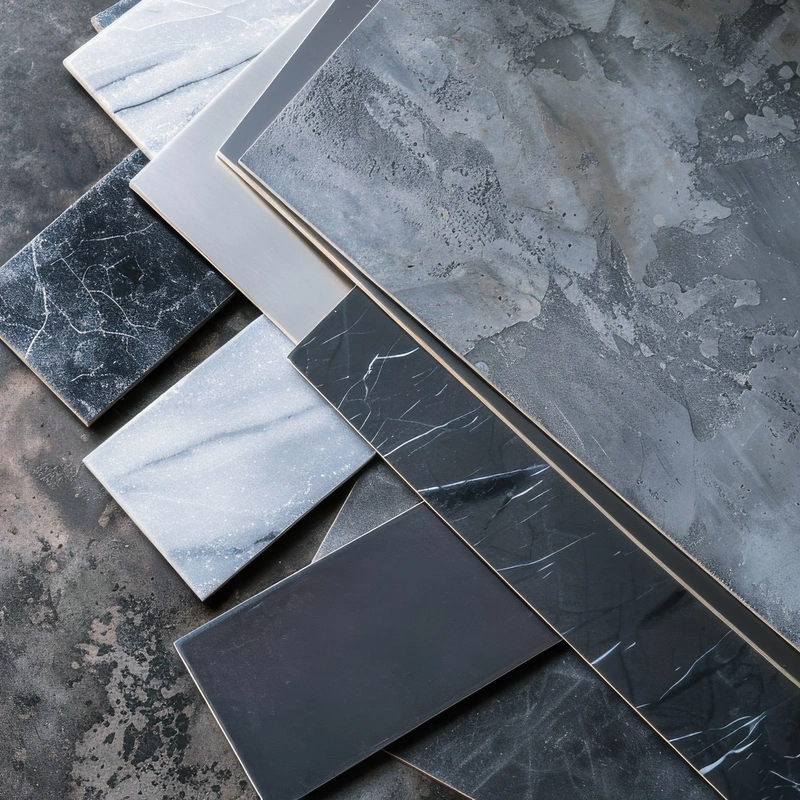
The durability of LVT flooring can vary depending on several factors, including the thickness of the wear layer, the quality of the materials used, and the installation method. Premium LVT products typically offer higher durability with thicker wear layers and better-quality construction. Proper installation and maintenance, along with choosing the right LVT for the specific environmental conditions of the space, can significantly influence its performance and lifespan.
The durability of LVT (Luxury Vinyl Tile) flooring is influenced by its wear layer, thickness, and overall construction quality.
These factors collectively ensure that LVT flooring withstands heavy foot traffic and daily wear and tear effectively.
The wear layer in LVT (Luxury Vinyl Tile) flooring is a protective top layer that influences its durability.
A thicker wear layer generally means greater protection against scratches, dents, and general wear and tear. Wear layers typically range from 6 to 30 mils, with thicker layers being more suitable for high-traffic areas. The material used for the wear layer, such as polyurethane, can also impact its performance. Some wear layers include additives like ceramic or aluminium oxide for extra durability.
Pros of a thicker wear layer:
Cons of a thicker wear layer:
Pros of a thinner wear layer:
Cons of a thinner wear layer:
Each factor, such as thickness and material composition, plays a crucial role in determining the overall durability of LVT flooring.
The core material of LVT (Luxury Vinyl Tile) flooring significantly impacts its durability.
The durability of LVT flooring is largely influenced by the core material used in its construction. A strong, stable core is essential for withstanding wear, impact, and environmental changes. Typically, LVT flooring features cores made from rigid PVC (polyvinyl chloride), WPC (wood plastic composite), or SPC (stone plastic composite). Rigid PVC cores offer flexibility and moderate durability, making them suitable for residential use. WPC cores incorporate wood fibres, providing increased comfort underfoot and better sound insulation, but they might be less durable in high-impact areas. SPC cores, on the other hand, are the most durable, combining limestone with PVC to create a highly resilient product ideal for both commercial and residential applications. Core variations, such as thickness and material composition, directly influence the flooring's ability to resist dents, moisture, and thermal expansion.
The installation method of LVT flooring significantly impacts its durability due to the stability provided by click-lock versus glue-down techniques and the skill of the installer. A detailed examination of installation techniques reveals that click-lock methods offer easier installation and potential for reuse, while glue-down methods provide a more secure and permanent bond, affecting overall flooring lifespan. Proper substrate preparation also plays a crucial role in ensuring long-term performance.
LVT (Luxury Vinyl Tile) flooring has several pros and cons compared to other flooring types like hardwood, laminate, and ceramic tiles. Below is a table summarising these comparisons:
| Feature | LVT Flooring | Hardwood | Laminate | Ceramic Tiles |
|---|---|---|---|---|
| Durability | Highly durable and resistant to scratches and wear | Durable but susceptible to scratches and moisture | Durable but can be damaged by water | Extremely durable and scratch-resistant |
| Installation | Easy to install; often DIY-friendly | Requires professional installation | Easy to install; DIY-friendly | Requires professional installation |
| Cost | Affordable (£2-£7 per sq. ft.) | Expensive (£5-£15+ per sq. ft.) | More affordable than hardwood (£1-£5 per sq. ft.) | Moderate (£4-£8 per sq. ft.) |
| Maintenance | Easy to clean and maintain | Requires regular polishing and maintenance | Low maintenance | Easy to clean but grout lines can require upkeep |
| Waterproof | Waterproof; suitable for bathrooms and kitchens | Not waterproof; can warp with water exposure | Water-resistant but not fully waterproof | Waterproof; ideal for bathrooms and kitchens |
| Aesthetic | Wide variety of styles and colors | Natural, classic look | Many styles mimic hardwood | Many styles and colors available |
LVT flooring provides an excellent balance of cost, durability, and ease of maintenance, especially in moisture-prone environments.

LVT (Luxury Vinyl Tile) and hardwood flooring offer different benefits and drawbacks. Understanding how they stack up can help you make an informed decision.
| Aspect | LVT Flooring | Hardwood Flooring |
|---|---|---|
| Appearance | Imitates wood, stone, or tile; various styles | Authentic wood grain and unique patterns |
| Durability | High resistance to scratches and moisture | Can be scratched or damaged by water |
| Installation | Easier, often DIY friendly | Requires professional installation |
| Maintenance | Low; sweeping and occasional mopping | Needs regular refinishing and polishing |
| Cost | Generally more affordable | Higher initial cost |
| Resale Value | Lower compared to hardwood | Increases home value significantly |
LVT (Luxury Vinyl Tile) and laminate flooring are popular choices for home renovation but have distinct differences. Below is a comparison table outlining these differences:
| Feature | LVT Flooring | Laminate Flooring |
|---|---|---|
| Material | Made from PVC and other synthetics | Made from fibreboard with a photo layer and clear protective layer |
| Durability | Highly durable, water-resistant | Durable, but less water-resistant |
| Appearance | Realistic wood and stone looks | Realistic wood, less stone visuals |
| Installation | Easier click-lock system | Click-lock system, some can be glued |
| Cost | Generally more expensive than laminate | Usually more affordable |
| Maintenance | Easy to clean with water | Cannot be wet-mopped, requires specific cleaners |
| Comfort | Softer underfoot | Harder underfoot |
Understanding these features can help in making an informed decision tailored to specific needs and environments.
Here’s a table comparing LVT (Luxury Vinyl Tile) flooring to ceramic tile flooring:
| Feature | LVT Flooring | Ceramic Tile Flooring |
|---|---|---|
| Price | Affordable | More expensive |
| Durability | Highly durable, resilient | Highly durable, rigid |
| Installation | Easier, often DIY-friendly | Requires professional installation |
| Water Resistance | Excellent resistance | Excellent resistance |
| Maintenance | Easy to clean and maintain | Easy to clean but grout can stain |
| Aesthetic Variety | Wide variety of designs and textures | Limited to natural stone and color glazes |
| Comfort | Softer underfoot | Hard and cold |
| Resale Value | Moderate | High |
LVT (Luxury Vinyl Tile) flooring is a popular choice for residential and commercial spaces due to its numerous advantages.
These qualities make LVT flooring an excellent option for anyone looking for a balance between aesthetics, functionality, and cost.
Yes, LVT flooring is water-resistant, designed to withstand moisture and spills. This feature makes it ideal for use in bathrooms, kitchens, and other areas prone to water exposure.
Yes, LVT flooring is easy to maintain. Regular sweeping and occasional mopping are usually sufficient. It resists stains and scratches, making it a low-maintenance option.
Yes, LVT flooring is comfortable underfoot due to its cushioned backing. Luxury Vinyl Tile (LVT) flooring includes a cushioned layer that enhances comfort, making it easy on the feet. This makes LVT an excellent choice for areas where you might stand for prolonged periods, such as kitchens.
Understanding these aspects can help determine if LVT flooring meets your comfort needs.
The main drawbacks of LVT flooring include potential for discolouration, susceptibility to denting, and environmental concerns.
Yes, LVT flooring can be scratched or dented, though it is highly resistant compared to other flooring types.
LVT flooring offers a good balance of durability and aesthetic appeal, making it a popular choice despite the potential for minor damage.
LVT flooring has both environmentally friendly and less eco-friendly aspects.

Yes, LVT flooring can fade over time. Factors such as prolonged exposure to direct sunlight, high foot traffic, and spillages can contribute to the gradual fading of the material.
While LVT (Luxury Vinyl Tile) flooring is designed to be more resistant to fading compared to natural materials like wood, it is not completely immune. To mitigate fading, it's recommended to use window treatments to block UV rays, place rugs in high-traffic areas, and follow proper cleaning instructions.
Maintaining LVT flooring involves regular cleaning and proper care to keep it looking its best. Follow these steps:
To keep your Luxury Vinyl Tile (LVT) flooring looking its best, follow these cleaning practices:
LVT flooring should be cleaned weekly to maintain its appearance and longevity. Regular cleaning removes dirt and debris that can cause scratches and wear on the surface. For deeper cleans, consider a monthly schedule using manufacturer-recommended products to ensure the flooring remains in optimal condition.
Avoid using bleach, ammonia, abrasive cleaners, steam mops, and wax on LVT flooring. These products can damage the flooring surface, strip away protective layers, or leave residues that degrade its appearance and durability.
LVT (Luxury Vinyl Tile) flooring is a durable, stylish, and easy-to-install option for many homes.
Installing Luxury Vinyl Tile (LVT) flooring requires specific tools to ensure a smooth and professional outcome. Here’s a checklist of necessary tools:
Following this checklist will make the LVT flooring installation process straightforward and efficient.
Installing LVT (Luxury Vinyl Tile) flooring can be straightforward if you follow these steps carefully:
Following these steps will help ensure a smooth and successful installation of your LVT flooring.
The cost of LVT flooring typically ranges from £2 to £7 per square foot.
| Pros | Cons |
|---|---|
| Durable and long-lasting | Can be expensive depending on brand and quality |
| Water-resistant | Needs proper subfloor preparation |
| Easy to maintain and clean | Can feel cold underfoot unless underlay is used |
| Variety of styles and designs | Some lower-quality options can look less realistic |
| Comfortable underfoot | Sensitive to extreme temperatures |
LVT flooring costs usually range from £2 to £7 per square foot, with installation adding £1 to £3 per square foot.
When comparing the cost of LVT (Luxury Vinyl Tile) flooring to other types of flooring, it's essential to consider both the initial purchase price and long-term value. Here's a table summarising various flooring types with their costs, pros, and cons:
| Flooring Type | Price Range (per sq. ft.) | Pros | Cons |
|---|---|---|---|
| LVT (Luxury Vinyl Tile) | £2 - £5 | Durable, Water-resistant, Easy to install | Can be less eco-friendly, Can fade in sunlight |
| Hardwood | £5 - £10+ | High-end appearance, Long-lasting, Can be refinished | Expensive, Susceptible to water damage, Requires maintenance |
| Laminate | £1 - £4 | Affordable, Scratch-resistant, Easy to clean | Not as durable as hardwood, Can’t be refinished |
| Carpet | £2 - £5+ | Soft underfoot, Insulates sound, Variety of styles | Prone to stains, Requires more maintenance, May retain allergens |
| Ceramic Tile | £3 - £7 | Durable, Water-resistant, Wide variety of designs | Hard and cold underfoot, More difficult to install, Can crack |
LVT Flooring: £2 - £5 per square foot.
Yes, there are budget-friendly options for LVT (Luxury Vinyl Tile) flooring.
These prices make LVT a cost-effective solution for many homeowners.
Luxury Vinyl Tile (LVT) flooring is a versatile and durable option for various spaces.
LVT (Luxury Vinyl Tile) flooring is best suited for high-traffic areas, kitchens, bathrooms, and basements.
Its durability and versatility make it a popular choice for diverse spaces.
Key considerations when choosing luxury vinyl tile (LVT) flooring include durability, style, ease of installation, and maintenance.
Considering these factors will help you select the best LVT flooring for your needs, balancing performance and appearance effectively.
LVT flooring performs exceptionally well in high-traffic areas due to its durability and resistance to wear.
LVT (Luxury Vinyl Tile) flooring is specifically engineered to handle heavy foot traffic and maintain its appearance over time. Its multi-layer construction includes a protective wear layer that resists scratches, scuffs, and stains, making LVT a popular choice for both residential and commercial spaces exposed to frequent use. Additionally, LVT is low-maintenance, requiring only routine cleaning to keep it looking new. It also provides good sound absorption and underfoot comfort compared to harder flooring options like ceramic tile.
These attributes make LVT an ideal flooring solution for spaces that experience significant daily use, such as kitchens, hallways, and retail stores.
In summary, wood flooring types include solid hardwood and engineered wood, each offering distinct benefits such as durability, aesthetics, and stability. Understanding the differences in hardness and grain patterns aids in making an informed choice. Proper selection and maintenance enhance the floor's lifespan and appearance.
Luxury Vinyl Tile (LVT) flooring is a resilient flooring option designed to mimic the appearance of natural materials like wood or stone. Unlike traditional vinyl, LVT offers enhanced durability and a more authentic look due to advanced printing and photographic techniques. LVT comes in various styles, sizes, and colours, offering flexibility in design. Factors such as wear layer thickness, installation method, and core construction can influence the performance and longevity of LVT flooring. Overall, it provides an aesthetically appealing and cost-effective alternative to natural materials while maintaining ease of maintenance.
LVT (Luxury Vinyl Tile) flooring is a versatile and highly durable type of flooring made to resemble natural materials like wood or stone.
Pros:
Cons:
LVT (Luxury Vinyl Tile) flooring mimics natural materials like wood and stone through advanced photographic technology and realistic textures. Manufacturers use high-resolution images of natural materials, which are printed onto the vinyl surface, capturing intricate details and colours. Additionally, embossing techniques add texture, ensuring the flooring not only looks like the real material but feels like it too. Various finishes, such as matte or high gloss, further enhance the realism. According to industry experts, the diversity in design options and the ability to replicate the exact look and feel of natural materials make LVT a popular choice.
LVT (luxury vinyl tile) flooring is well-known for its exceptional durability.
These properties make LVT a practical choice for both residential and commercial spaces.
LVT (Luxury Vinyl Tile) flooring comes in various types, each with unique features to suit different applications and preferences.
Glue-down LVT (Luxury Vinyl Tile) flooring is a type of vinyl flooring that requires adhesive to affix each tile or plank to the subfloor. It is known for its stability and durability, making it a popular choice for commercial settings and high-traffic areas. Glue-down LVT comes in various styles and designs, including wood, stone, and tile looks, offering aesthetic versatility without compromising on performance.
Click-lock LVT flooring is a type of luxury vinyl tile that interlocks easily for simple, glue-free installation. This flooring features a tongue-and-groove mechanism allowing the planks to snap together, creating a floating floor that is both stable and easy to install.
Loose-lay LVT (Luxury Vinyl Tile) flooring is designed for easy installation without adhesive, utilising its weight and friction to stay in place. This type of flooring is known for its stability, ease of installation, and ability to be removed and reused.
Choosing the best Luxury Vinyl Tile (LVT) flooring for various rooms involves considering several key factors to match functionality with aesthetics.
| Room | Recommended LVT Type | Pros | Cons |
|---|---|---|---|
| Kitchen | Thick wear layer | High durability, long lifespan | More expensive |
| Bathroom | Waterproof | Prevents water damage, easy maintenance | Limited designs |
| Living Room | Cushioned backing | Comfort, noise reduction | Higher cost, installation complexity |
| Bedroom | Wood-look or soft underfoot | Aesthetic variety, comfort | Future trend changes |
Consider these variations and factors to make an informed decision for each room.
The best LVT flooring for kitchens is waterproof LVT with a high durability rating and an anti-slip surface.
Pros:
Cons:
The best LVT flooring for bathrooms is waterproof LVT, known for its durability and water resistance.
Pros:
Cons:

The best LVT flooring for living rooms features a high-quality wear layer for durability and a design that mimics natural wood or stone.
When selecting LVT flooring for your living room, consider factors like thickness, wear layer, and aesthetic appeal. A wear layer of at least 20 mil is recommended for living rooms due to higher foot traffic.
Pros and Cons of LVT Flooring for Living Rooms
| Pros | Cons |
|---|---|
| Durable and resistant to scratches and stains | Can be expensive compared to other options |
| Easy to clean and maintain | May feel colder underfoot compared to carpet |
| Available in various designs and textures | Not as eco-friendly as some natural flooring |
| Water-resistant, suitable for spill-prone areas | Needs professional installation for best results |
The best LVT flooring for bedrooms is rigid core LVT due to its resilience, comfort underfoot, and noise reduction properties.
Rigid core LVT offers several advantages for bedrooms, such as being highly durable, water-resistant, and easy to install over existing floors. The noise reduction feature is particularly beneficial in bedroom settings where a quieter environment is desired.
Pros and Cons of Rigid Core LVT Flooring for Bedrooms
| Pros | Cons |
|---|---|
| Durable and scratch-resistant | More expensive than other types of LVT |
| Water-resistant | Can feel harder underfoot compared to carpet |
| Easy to install | Requires a level subfloor for the best results |
| Noise reduction | Limited insulation compared to other flooring options |
These attributes make rigid core LVT a practical and stylish choice for bedroom flooring.
LVT flooring is widely used in residential, commercial, and healthcare settings for its durability, easy maintenance, and aesthetic variety.
Yes, LVT (Luxury Vinyl Tile) flooring is suitable for commercial spaces due to its durability, versatility, and ease of maintenance.
Pros
Cons
Yes, LVT flooring can be used in high-traffic areas and is highly durable, resistant to scratches, and easy to maintain, making it ideal for spaces like hallways, kitchens, and commercial environments.
Yes, LVT flooring is pet-friendly due to its scratch-resistance, easy maintenance, and durability.
Pros:
Cons:
Maintaining LVT (Luxury Vinyl Tile) flooring is straightforward, ensuring its longevity and beauty.
By following these steps, you ensure your LVT flooring remains in excellent condition for years to come.
Checklist for Cleaning LVT Flooring:
LVT flooring should be cleaned at least once a week.
Products to avoid on LVT flooring include abrasive cleaners, wax-based products, and ammonia-based cleaners. These can damage the wear layer and dull the appearance. Instead, use pH-neutral cleaners specifically designed for LVT to maintain its quality and shine.

The cost of Luxury Vinyl Tile (LVT) flooring typically ranges from £2 to £7 per square foot. This price can vary based on several factors, including the quality of the material, brand, and any additional features like enhanced wear layers or specialised design patterns. Installation costs should also be considered and can range from £1 to £4 per square foot.
| Factor | Price Range |
|---|---|
| Material Quality | £2 - £7 per sq. ft. |
| Installation | £1 - £4 per sq. ft. |
| Additional Features | Varies |
Factors such as the complexity of the installation area, local labour costs, and any preparation work needed (like subfloor levelling) can further influence the total price.
Material quality affects durability and aesthetic appeal, while design complexity can increase production and installation costs. Brand reputation often aligns with perceived quality and trust. Installation costs depend on whether you opt for professional services or do it yourself.
Budgeting for LVT flooring installation involves a few essential steps to ensure you cover all expenses accurately. Here are the steps:
By following these steps, you can create a realistic budget for your LVT flooring project.
Yes, there are cost-effective LVT flooring options available, typically priced between £2 and £5 per square foot.
Pros and Cons of Cost-Effective LVT Flooring
| Pros | Cons |
|---|---|
| Affordable | May have fewer design options |
| Easy to install | Sometimes lower quality compared to premium LVT |
| Durable and water-resistant | Limited warranties available |
Installing LVT flooring involves several steps to ensure a proper and durable application. Here is a detailed guide:
Follow these steps to ensure a smooth and professional installation of your LVT flooring.
For installing luxury vinyl tile (LVT) flooring, you need various tools and materials to ensure a smooth and efficient process. Here’s a checklist of essentials:
LVT (Luxury Vinyl Tile) flooring is a popular choice for residential and commercial spaces due to its durability and aesthetic appeal.
Pros:
Cons:
LVT (Luxury Vinyl Tile) flooring offers several key advantages that make it a popular choice.
LVT flooring has several disadvantages despite its popularity.
LVT flooring offers a unique mix of durability and design flexibility.
| Flooring Type | Pros | Cons |
|---|---|---|
| LVT | Durable, water-resistant, easy to install | Might dent under heavy furniture |
| Hardwood | Long-lasting, adds value to home | Prone to scratches, higher cost |
| Laminates | Affordable, easy to maintain | Not as water-resistant, can look artificial |
| Carpet | Comfortable, good insulation | Stains easily, requires frequent cleaning |
| Tile | Extremely durable, water-resistant | Cold underfoot, labour-intensive install |
Understanding various LVT flooring types and attributes aids in informed choices. Consider durability, maintenance, and aesthetics for your specific needs. Each type offers pros and cons based on installation, cost, and lifestyle preferences.
LVT (Luxury Vinyl Tile) flooring is a type of vinyl flooring designed to closely mimic natural materials like wood and stone. It offers numerous benefits, including water resistance, durability, and easy maintenance. Variations in LVT flooring stem from differing installation methods (glue down, click-lock), wear layers (measured in mils), and textures that replicate real materials. Despite these differences, all LVT flooring shares core characteristics like resilience and aesthetic appeal.
LVT (Luxury Vinyl Tile) flooring offers distinctive features that set it apart from other flooring types.
Pros:
Cons:
LVT (Luxury Vinyl Tile) flooring is a versatile and durable option designed to mimic natural materials.
With variations such as glue-down, click-lock, and peel-and-stick, the choice of installation method influences setup and long-term performance. LVT flooring’s design versatility allows it to emulate wood, stone, or ceramic, adapting to numerous interior styles.
Luxury Vinyl Tile (LVT) flooring is known for its exceptional durability and design versatility. One rare attribute is its ability to closely mimic the appearance of natural materials without the high maintenance requirements. Additionally, LVT offers superior resistance to moisture and scratches compared to other flooring types.
Underfloor heating is a system that warms a room through a network of pipes or electric elements installed beneath the floor surface. This heating method is classified into two main types: hydronic (water-based) and electric systems, offering various benefits in energy efficiency, installation cost, and suitability for diverse floor types. Hydronic systems circulate heated water through pipes, ideal for larger areas and new constructions. Electric systems use cables or mats and are easier to install, suitable for smaller areas or retrofitting. Factors influencing the choice between these systems include initial setup costs, operating costs, the type of flooring, and heating requirements.
Underfloor heating evenly distributes heat across the floor surface, ensuring consistent warmth and eliminating cold spots. A distinctive feature is its energy efficiency, often reducing heating costs by 15-40%. Additionally, it frees up space since there are no visible radiators or heating units, enhancing a room's aesthetics.
Underfloor heating is a system where the floor radiates warmth.
Electric systems use heating cables or mats and are easier to install but may have higher operating costs. Hydronic systems circulate warm water through pipes and are more energy-efficient but require more complex installation. Factors like floor material and insulation can influence performance.
Underfloor heating may feature rare attributes like zonal control and self-regulating systems. Zonal control allows different areas to be heated independently, offering customised comfort and efficiency. Self-regulating systems adjust the heating level based on the room's temperature, enhancing convenience and reducing energy consumption.
Yes, LVT flooring can be used with underfloor heating as long as the system does not exceed 27°C. Always check the manufacturer's guidelines, as different LVT products may have specific requirements for installation with radiant floor heating systems. Variations such as adhesive type and subfloor material can also affect the performance and longevity of LVT flooring with underfloor heating.
LVT flooring with underfloor heating offers efficient heat distribution and durability.
Pros:
Cons:

LVT (Luxury Vinyl Tile) flooring may be susceptible to expansion, warping, and wear over time when used with underfloor heating.
Drawbacks:
Pros of LVT with Underfloor Heating:
Cons of LVT with Underfloor Heating:
Installing LVT (Luxury Vinyl Tile) flooring with underfloor heating involves essential steps to ensure both the flooring and heating system function optimally.
Prepare the subfloor by ensuring it is clean, dry, and level. Remove any old flooring, debris, and dust.
Allow the LVT flooring to acclimate to the room temperature for at least 48 hours. This prevents issues related to expansion and contraction.
Lay out the underfloor heating system according to the manufacturer's instructions. Ensure it is evenly distributed to prevent cold spots.
Before installing the LVT, test the underfloor heating to confirm it works properly and check for any faults.
Install a suitable underlay designed for use with underfloor heating systems. This underlay should facilitate heat transfer while providing a smooth surface for the LVT.
Start laying the LVT flooring, ensuring it fits snugly over the underlay and heating system. Use spacers along the edges to allow for expansion.
Finally, remove spacers and install baseboards or trim to cover the expansion gap. Seal any seams or joints if recommended.
Having the right tools and materials ensures a smooth installation process.
Tools and Materials Checklist:
Installing LVT flooring with underfloor heating involves essential steps.
Preparing the subfloor ensures a stable surface for new flooring installation.
Laying an underfloor heating system involves key steps for proper installation.
Installing luxury vinyl tile (LVT) flooring involves straightforward steps:
The best LVT flooring types for underfloor heating include click-lock, glue-down, and loose-lay varieties, providing efficient heat transfer and stability.
Pros and Cons:
| Type | Pros | Cons |
|---|---|---|
| Click-Lock | Easy to install, removable | Usually more expensive |
| Glue-Down | Secure fit, great for large areas | Permanent installation |
| Loose-Lay | Easy to replace planks, quick to install | May require additional adhesive |
Each type is compatible with underfloor heating systems, ensuring efficient warmth distribution.
Luxury Vinyl Tile (LVT) flooring comes in various types:
Each type varies based on installation methods, durability, and appearance.
Rigid core LVT flooring is most compatible with underfloor heating due to its heat resilience and stability.
According to various studies and manufacturer guidelines, rigid core LVT flooring, including SPC (stone plastic composite) and WPC (wood plastic composite), maintains structural integrity and efficient heat transfer.
| LVT Flooring Type | Compatibility with Underfloor Heating |
|---|---|
| Rigid Core (SPC) | High Compatibility |
| Rigid Core (WPC) | High Compatibility |
| Flexible LVT | Moderate Compatibility |
| Loose Lay LVT | Lower Compatibility |
Rigid core LVT options, particularly SPC and WPC, are preferred for installations with underfloor heating, ensuring both durability and efficient heating.
Maintain LVT flooring with underfloor heating by following these steps:

Regular upkeep for LVT flooring includes:
To maintain LVT flooring, use the following methods:
Checklist:
The costs associated with LVT flooring and underfloor heating range from £10 to £30 per square foot.
| Expense | Cost Range |
|---|---|
| LVT Flooring | £3 to £7 per sq. ft. |
| Underfloor Heating System | £7 to £23 per sq. ft. |
| Total Cost | £10 to £30 per sq. ft. |
The cost of LVT flooring is influenced by quality, brand, installation method, and the complexity of the installation site. Variations in cost arise from differences in durability and aesthetic appeal, with premium brands commanding higher prices. Installation complexity, such as subfloor preparation and the use of professional labour, impacts total expense.
The cost of underfloor heating is influenced by the area size, system type (electric or water-based), insulation quality, installation complexity, and local labour rates. Larger areas and water-based systems usually increase costs, while proper insulation and straightforward installations can help manage expenses. Local labour rates significantly affect overall expenses.
Yes, there are several safety considerations to be aware of:
Checklist:
The environmental impacts may include deforestation, greenhouse gas emissions, and habitat destruction during wood harvesting.
Pros:
Cons:
To mitigate these impacts, consider using certified sustainable wood and supporting reforestation initiatives.
No, LVT (Luxury Vinyl Tile) flooring is not completely environmentally friendly.
LVT flooring made from polyvinyl chloride (PVC) a plastic derived from petroleum emits harmful dioxins during production, contributing to pollution. Moreover, most LVT products are not biodegradable and can be challenging to recycle.
Pros of LVT Flooring:
Cons of LVT Flooring:
A study from the Environmental Protection Agency (EPA) indicates that PVC production releases significant quantities of harmful dioxins.
Yes, underfloor heating is generally environmentally friendly as it uses lower temperatures to heat spaces efficiently, reducing energy consumption and emissions compared to conventional systems. A study by the European Renewable Energy Council suggests these systems can reduce energy usage by up to 15%, substantially cutting environmental impact.
To minimise environmental impact:
A study by the U.S. Forest Service found that sustainable wood use significantly reduces carbon emissions.
In summary, LVT flooring and underfloor heating provide a versatile, durable, and efficient solution for modern homes. They offer numerous advantages, including aesthetic appeal, comfort, and energy efficiency, making them popular choices for homeowners.
Key Takeaways:
Luxury LVT (Luxury Vinyl Tile) flooring is a high-end, durable, and versatile vinyl flooring option designed to mimic natural materials like wood, stone, or ceramic. It features a multi-layer construction, including a protective top layer, a design layer, a core layer, and a backing layer, providing excellent durability and comfort underfoot.
LVT flooring comes in various styles, textures, and colours, allowing homeowners to customise their spaces. Key factors influencing the choice of LVT include the installation method (glue-down, click-lock, or loose lay), wear layer thickness, and overall plank or tile size.
LVT (Luxury Vinyl Tile) flooring is considered luxurious due to its high-quality materials, realistic designs, and durability.
These elements ensure LVT flooring offers a premium look and long-lasting performance, suitable for high-traffic areas and various home styles.
Luxury LVT (Luxury Vinyl Tile) flooring is distinguished by its high-definition imaging, realistic textures, and rich colours. This design mimics natural materials like wood and stone, providing an aesthetically pleasing and practical alternative. Its versatility and durability make it a favoured choice.
Luxury LVT flooring uses high-quality materials to provide a premium finish. These materials typically include:
These combined layers contribute to LVT's sophisticated appearance and lasting performance.
Luxury LVT flooring offers durability, aesthetic versatility, ease of maintenance, and water resistance.
These features make LVT flooring a practical, stylish, and cost-effective choice for homeowners.
Luxury LVT flooring is highly durable, designed to withstand heavy traffic and resist scratches and dents. Its durability is attributed to its multi-layer construction, which includes a wear layer that provides protection against scratches, stains, and daily wear and tear.
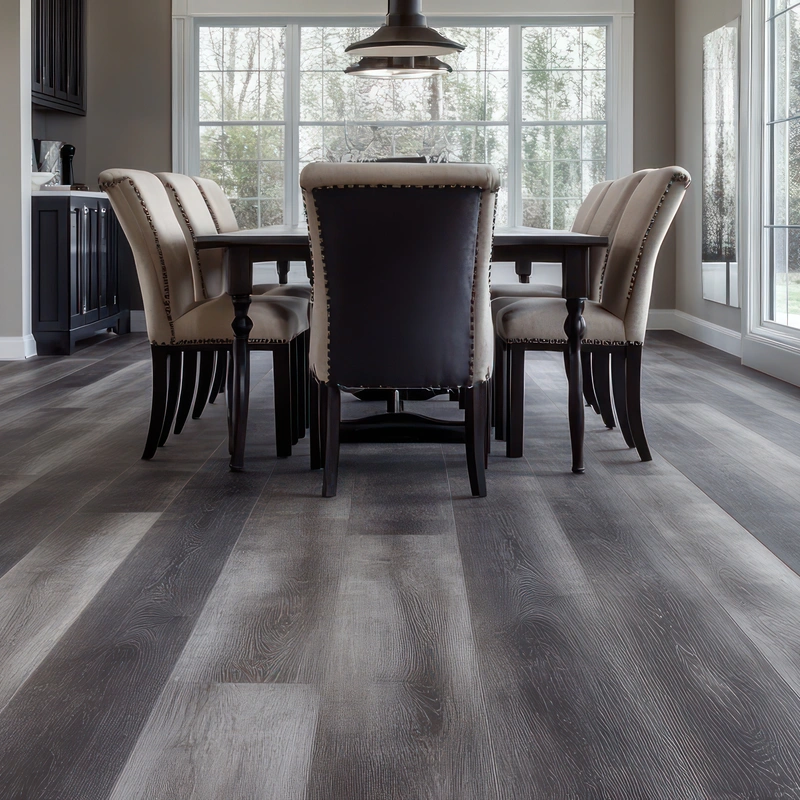
Luxury vinyl tile (LVT) flooring is engineered to withstand heavy use and resist wear and tear through its multi-layer construction, often featuring a durable wear layer that provides significant protection against scratches, stains, and dents.
These attributes create a flooring solution that can endure high-traffic areas while maintaining its aesthetic appeal over time.
Yes, luxury LVT flooring is waterproof, meaning it can withstand exposure to water without getting damaged. This makes it an ideal choice for areas prone to moisture like kitchens, bathrooms, and basements.
Installing luxury LVT (Luxury Vinyl Tile) flooring involves several precise steps to ensure a professional finish:
Following these steps ensures that your LVT flooring is installed correctly, providing a durable and attractive finish.
Installing luxury LVT flooring requires specific tools to ensure a smooth and professional installation.
Each tool plays a crucial role in ensuring that your LVT flooring is installed correctly and looks great.
Installing luxury LVT flooring involves several clear steps to ensure a professional finish. Follow these steps for a successful installation:
Yes, you can install luxury LVT flooring over existing floors. Ensure the existing floor is clean, dry, and level before installation.
Maintaining luxury LVT flooring involves regular cleaning and preventative measures to ensure longevity and appearance.
Safe cleaning products for luxury LVT flooring include mild dish soap, white vinegar, pH-neutral cleaners, and manufacturer-recommended solutions.
Always avoid abrasive cleaners, ammonia, and wax-based products to preserve the quality and appearance of luxury LVT flooring.
Luxury LVT flooring should be cleaned at least once a week. Regular cleaning involves sweeping or vacuuming, while a monthly deep clean with a damp mop and mild cleaner helps maintain its appearance.
Luxury Vinyl Tile (LVT) flooring comes in various styles, offering versatility and elegance to different spaces. Below are some popular styles:
The versatility of luxury LVT styles makes it a popular choice for homeowners and designers.
| Style | Description | Best Use Cases |
|---|---|---|
| Wood-Look LVT | Mimics real wood with grain patterns and textures. | Living rooms, bedrooms |
| Stone-Look LVT | Emulates natural stone, offering a sophisticated, polished appearance. | Bathrooms, entryways |
| Ceramic Tile-Look LVT | Replicates ceramic tiles, complete with grout lines. | Kitchens, bathrooms |
| Abstract LVT | Features unique designs and patterns. | Contemporary settings |
Luxury LVT flooring offers various wood-look options that replicate traditional hardwood floors.
Yes, luxury LVT flooring offers stone-look options that replicate the appearance of natural stone tiles such as marble, slate, and travertine.
Luxury LVT flooring offers various unique patterns including:
| Flooring Type | Pros | Cons |
|---|---|---|
| Luxury LVT | - Realistic wood/stone look - Water-resistant - Easy to maintain | - Can feel less solid underfoot - Possible lower resale value |
| Hardwood | - High resale value - Natural beauty and warmth | - Susceptible to water damage - Requires regular maintenance |
| Laminate | - Affordable - Easy installation | - Can be noisy - Prone to moisture damage |
| Ceramic Tile | - Highly durable - Water-resistant | - Cold underfoot - Hard on feet/joints |
| Carpet | - Soft and comfortable - Insulates noise | - Difficult to clean - Wears down in high-traffic areas |
| Feature | Luxury LVT Flooring | Hardwood Flooring |
|---|---|---|
| Durability | Highly durable, resistant to scratches and water | Susceptible to scratches, dents, and water damage |
| Maintenance | Easy to maintain | Requires refinishing and special cleaning products |
| Installation | Easier installation, often DIY-friendly | Generally requires professional installation |
| Cost | More affordable, £2-£7 per square foot | More expensive, £5-£15 per square foot |
| Aesthetic Appeal | Mimics wood but lacks the authentic look | Classic and authentic appearance |
| Comfort | Softer underfoot | Hard underfoot |
| Environmental Impact | Often made from recycled materials | Sustainable if sourced responsibly |
| Longevity | 10-20 years depending on wear and care | Can last decades with proper maintenance |
Luxury LVT flooring offers greater water resistance and durability compared to laminate flooring but tends to be more expensive.
| Feature | Luxury LVT Flooring | Laminate Flooring |
|---|---|---|
| Water Resistance | High | Moderate |
| Durability | Highly Durable | Less Durable |
| Cost | Typically More Expensive | Generally More Affordable |
| Feature | Luxury LVT Flooring | Ceramic Tiles |
|---|---|---|
| Durability | Highly durable and resilient | Extremely durable but can crack |
| Maintenance | Easy to clean and maintain | Requires regular grout cleaning |
| Cost | Generally lower cost | Higher cost, including installation |
| Installation | Easier installation; often DIY-friendly | Requires professional installation |
| Aesthetic | Wide variety of styles and colours | Available in various designs |
| Comfort | Softer and warmer underfoot | Cold and hard underfoot |
| Water Resistance | High water resistance | Water-resistant but grout can stain |
| Lifespan | 10-20 years | 20-30 years or more |
The cost of luxury LVT flooring typically ranges from £3 to £7 per square foot, depending on the brand, quality, and style.
| Pros | Cons |
|---|---|
| Durable | Can be expensive |
| Water-resistant | May require professional installation |
| Easy to clean and maintain | Limited resale value compared to hardwood |
| Variety of styles and designs | Can be less eco-friendly |
Several factors influence the price of luxury LVT (Luxury Vinyl Tile) flooring. The quality of materials used affects the cost; higher-quality LVT often mimics hardwood or stone and is more durable. Brand reputation also plays a role; renowned brands may charge more due to established quality assurance. Thickness and wear layer of the LVT can impact pricing; thicker tiles with robust wear layers tend to be pricier. Installation costs can rise with complex designs requiring more expertise. Geographical location and market demand also affect prices.
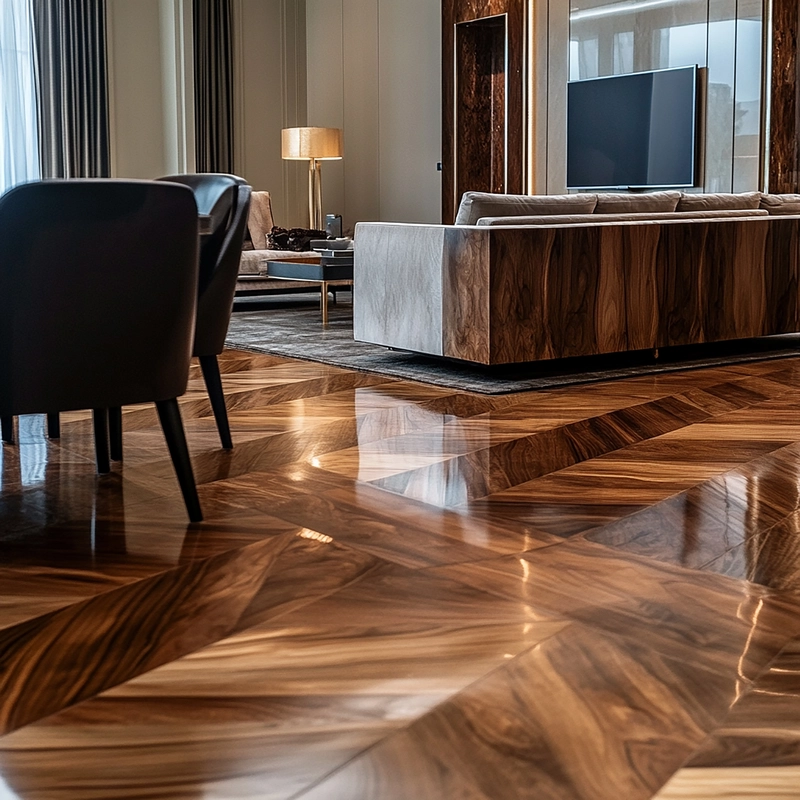
The brand significantly affects the cost of luxury LVT flooring, with premium brands commanding higher prices due to superior quality, reputation, and exclusive designs.
Yes, there are budget-friendly options for luxury LVT flooring that offer similar aesthetics and durability to higher-end products.
Top brands for luxury LVT flooring include Shaw, Mohawk, Karndean, Mannington, and COREtec, known for their high-quality materials, innovative designs, and durability.
| Brand | Notable Features |
|---|---|
| Shaw | High-quality materials, wide range of designs |
| Mohawk | Innovative designs, eco-friendly options |
| Karndean | Realistic wood and stone looks, durable |
| Mannington | Water-resistant, easy maintenance |
| COREtec | Rigid core, superior durability |
Yes, you can buy luxury LVT flooring online from various retailers and manufacturers. The availability and selection can vary based on the retailer's inventory and the manufacturer's distribution channels.
Yes, many local stores sell luxury LVT flooring, including specialty flooring retailers, big-box home improvement stores, and independent hardware stores.
Luxury LVT flooring has environmental impacts, primarily due to its production process and material composition, relying on non-renewable resources and potential VOC emissions.
Luxury LVT flooring is not inherently eco-friendly due to its PVC composition. However, many manufacturers are now developing recyclable and low-VOC options.
Luxury LVT flooring is recycled through a process that includes collection, separation, cleaning, and reprocessing.
Sustainable practices in luxury LVT flooring production include using recycled materials, low-VOC adhesives, energy-efficient manufacturing, and water recycling processes.
Incorporating recycled materials significantly decreases carbon footprint, while low-VOC products improve indoor air quality. Energy-efficient methods and water recycling further conserve natural resources.
This article detailed various aspects of flooring, focusing particularly on luxury LVT flooring types. Key takeaways include: