


(0)1622 589 999

info@allfloorstradecenter.co.uk

An LVT flooring wear layer is the top surface of luxury vinyl tile that protects it from scratches, stains, and wear. It plays an essential role in the durability and longevity of the flooring. The thickness of the wear layer varies, typically ranging from 6 to 30 mils, with thicker layers offering better protection. Factors such as foot traffic and maintenance can influence the effectiveness of the wear layer. Additionally, features like UV resistance and embossing can help distinguish different LVT wear layers, enhancing visual appeal and performance.
The wear layer in Luxury Vinyl Tile (LVT) flooring is a clear, durable surface that guards against scratches, stains, and scuffs. This layer enhances the longevity of LVT by providing a barrier to daily wear and tear while maintaining the flooring's appearance. Unique to LVT flooring, the wear layer offers UV protection to prevent fading, ensuring the floor stays vibrant over time. Its effectiveness is often measured by its thickness, with thicker layers providing superior protection in high-traffic areas.
LVT wear layers consist of multiple synthetic materials that provide durability and protection.
These materials combine to ensure resistance against scratches, stains, and general wear, maintaining the flooring’s aesthetic appeal over time.
LVT wear layers come in various thicknesses, typically including 6 mil, 12 mil, 20 mil, and 28 mil, with each offering different levels of protection and durability against wear and tear, suitable for residential or commercial use.
Wear layer thickness directly impacts a floor's durability, with thicker layers generally providing greater resistance to scratches, dents, and general wear. A thicker wear layer acts as a protective shield, helping floors withstand daily foot traffic and potential damages, especially in high-traffic areas. Conversely, a thinner wear layer is less able to handle such strains, potentially leading to faster wear and tear.
Pros:
Cons:
The standard thickness for residential use is typically 3/4 inches or 19 millimetres, offering a balance of stability and comfort suitable for most home applications.
A flooring thickness of 3.5 mm to 6 mm is generally recommended for commercial spaces to ensure durability and withstand heavy foot traffic.
Selecting the ideal wear layer depends on usage, budget, and desired durability. Thicker wear layers (20-30 mil) offer superior resistance for high-traffic areas, while thinner ones (6-12 mil) suit light-use rooms. Below are some considerations:
Pros of Thick Wear Layers:
Cons of Thick Wear Layers:
Pros of Thin Wear Layers:
Cons of Thin Wear Layers:
Factors like installation environment (home, office), exposure to moisture, and aesthetic preference also impact the choice.
A wear layer is the topmost protective surface of flooring, influencing its durability and appearance. Factors to consider include thickness, which affects longevity and resistance to damage, and material composition, which determines its suitability for various environments. Additionally, consider manufacturer quality ratings, which assess overall performance and aesthetic preferences, matching visual appeal with practical requirements.
Pros and Cons:
Foot traffic, the frequency and weight of footsteps on a floor, significantly impacts the choice of wear layer. High foot traffic areas, like hallways or commercial spaces, require thicker wear layers for enhanced durability and longevity. Conversely, areas with low foot traffic, such as bedrooms, may allow for thinner wear layers, which can be more cost-effective and sufficient for the reduced usage.
Yes, the wear layer of LVT flooring directly impacts its appearance by protecting the printed design layer beneath from scratches and wear. A higher-quality wear layer ensures the printed design maintains its clarity and colour over time, preserving the aesthetic appeal. This layer acts as a buffer against everyday foot traffic and potential damage, thereby sustaining the flooring's original appearance. With varying thicknesses, the wear layer determines the level of durability and resistance to fading, allowing owners to maintain the beauty and vibrant look of their LVT flooring longer.
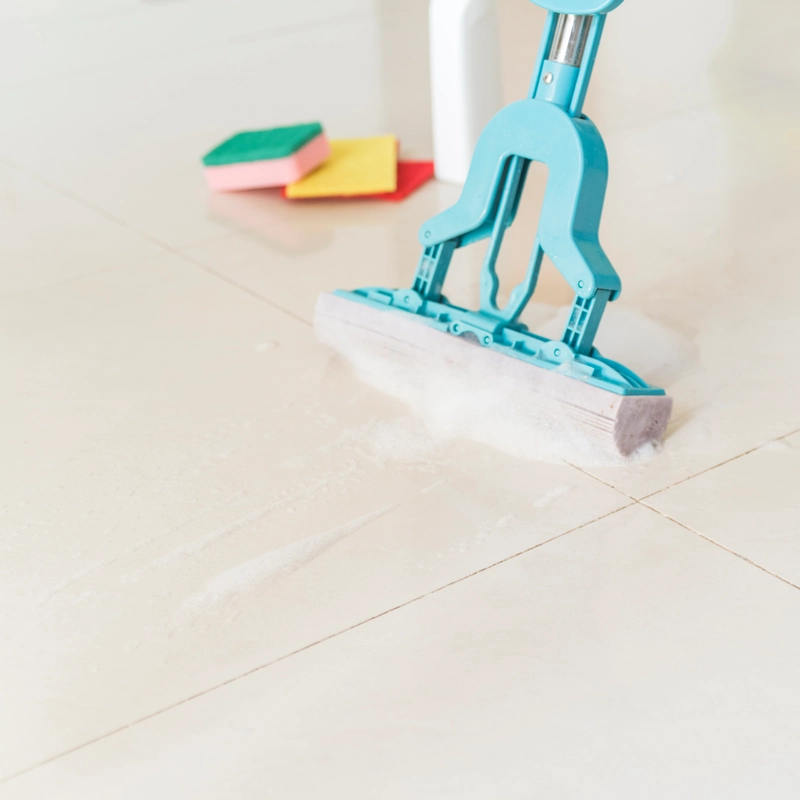
Maintain an LVT flooring wear layer by regular cleaning and protection.
Safe cleaning products for LVT wear layers include pH-neutral cleaners, mild soap, and water mixture. Checklist: 1. Use a pH-neutral cleaner. 2. Dilute mild soap in water. 3. Avoid abrasive tools. 4. Dry with a soft cloth or mop.
LVT flooring should be cleaned weekly with a mild cleaner and daily or as needed with a dry mop to maintain its appearance and longevity.
A thicker wear layer enhances durability, resistance to scratches, and extends the lifespan of flooring. This added thickness allows the floor to withstand heavy foot traffic and reduces the frequency of refinishing or replacing the floor.
Pros:
Cons:
Main benefits for the consumer include improved floor performance and reduced long-term maintenance costs, which make it a cost-effective investment.
A thicker wear layer increases durability by providing a stronger barrier against foot traffic and damage. This enhanced durability is due to its ability to withstand wear and tear, reducing the likelihood of scratches and dents. With a thicker layer, the surface retains its structure and aesthetic longer, crucial for high-traffic areas. Typically found in products like luxury vinyl flooring, this feature significantly boosts the lifespan of the floor, making it a popular choice for both residential and commercial spaces.
A thicker wear layer in flooring offers durability but has its drawbacks.
It’s crucial to balance durability with cost to determine the right choice for your needs.
The wear layer in LVT (Luxury Vinyl Tile) flooring significantly affects its cost, with thicker layers usually leading to higher prices. A thicker wear layer generally implies greater resilience and longevity, suitable for high-traffic areas, thus increasing costs. Conversely, a thinner wear layer is less expensive but might not hold up as well under substantial foot traffic or heavy use.
| Thickness | Pros | Cons |
|---|---|---|
| Thicker | Increased durability and lifespan | Higher cost |
| Thinner | Lower cost | Reduced durability and potential for wear |
Understanding these factors helps determine the appropriate balance between cost and performance needs when choosing LVT flooring.
The price of wear layer thickness in flooring varies based on thickness, material, and quality. Typically, a 6 mil wear layer ranges from £1.50 to £2.50 per square foot, whereas 12 mil might cost £2.50 to £4.00. Thicker layers, such as 20 mil, often range from £3.00 to £5.50 per square foot.
| Wear Layer Thickness | Price Range (per sq ft) |
|---|---|
| 6 mil | £1.50 - £2.50 |
| 12 mil | £2.50 - £4.00 |
| 20 mil | £3.00 - £5.50 |
Factors affecting these prices include material quality, brand reputation, and additional features like scratch resistance. Generally, thicker wear layers offer better durability, making them more suitable for areas with heavy foot traffic.
Yes, thicker wear layers are generally more expensive due to higher durability and longevity, providing better value over time.
Pros:
Cons:
In conclusion, understanding the different types of wood flooring and their attributes helps make informed decisions about installation, care, and cost. Prioritise durability, maintenance needs, and environmental considerations to choose the most suitable wood flooring for your space.