


(0)1622 589 999

info@allfloorstradecenter.co.uk


LVT, or Luxury Vinyl Tile, is a type of flooring designed to mimic natural materials like wood or stone while offering enhanced durability and ease of maintenance. Bridging the gap between aesthetics and functionality, LVT is highly favored in both residential and commercial spaces due to its water resistance and versatile design options. Available in various styles, textures, and colors, it provides the appearance of high-end flooring materials without the associated cost or upkeep. The intrinsic waterproof nature, coupled with its resilience against scratches and dents, makes LVT a practical choice for high-traffic areas.
LVT flooring, or Luxury Vinyl Tile, mimics natural materials while offering enhanced durability and versatility.
Pros:
Cons:
These features make LVT a popular choice for areas like kitchens and bathrooms, offering a blend of aesthetic appeal and functional benefits.
LVT (Luxury Vinyl Tile) flooring is constructed using several layers to ensure durability and design versatility.
Variations in LVT flooring construction may include different thickness levels, the inclusion of underlayment for added cushioning, or enhanced wear layers for higher durability. Factors like intended use, budget, and aesthetic preferences influence these variations. According to the World Floor Covering Association, these construction variations play a critical role in the performance and longevity of LVT flooring.
LVT flooring comes in a variety of designs and styles:
These options allow homeowners to choose a style that best matches their interior design preferences, providing flexibility and aesthetic appeal.
LVT flooring is highly durable, resistant to scratches, dents, and stains, making it ideal for high-traffic areas.
Luxury Vinyl Tile (LVT) flooring is engineered with multiple layers that enhance its resilience and longevity. The top wear layer protects against scratches and stains, while the vinyl core adds flexibility and impact resistance. LVT is also waterproof, which makes it suitable for areas with high moisture levels, such as kitchens and bathrooms.
Pros:
Cons:
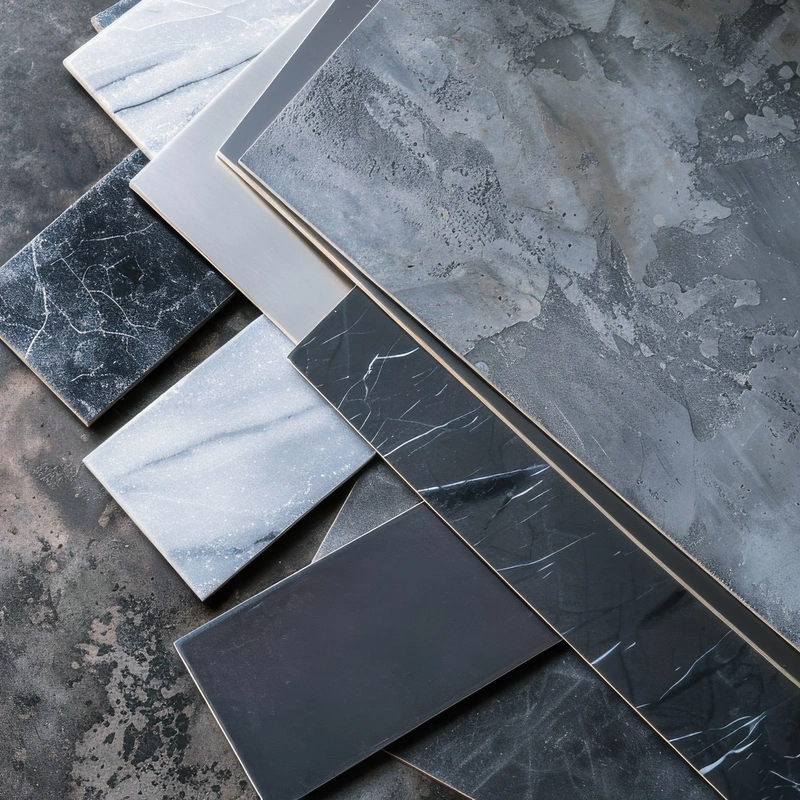
The durability of LVT flooring can vary depending on several factors, including the thickness of the wear layer, the quality of the materials used, and the installation method. Premium LVT products typically offer higher durability with thicker wear layers and better-quality construction. Proper installation and maintenance, along with choosing the right LVT for the specific environmental conditions of the space, can significantly influence its performance and lifespan.
The durability of LVT (Luxury Vinyl Tile) flooring is influenced by its wear layer, thickness, and overall construction quality.
These factors collectively ensure that LVT flooring withstands heavy foot traffic and daily wear and tear effectively.
The wear layer in LVT (Luxury Vinyl Tile) flooring is a protective top layer that influences its durability.
A thicker wear layer generally means greater protection against scratches, dents, and general wear and tear. Wear layers typically range from 6 to 30 mils, with thicker layers being more suitable for high-traffic areas. The material used for the wear layer, such as polyurethane, can also impact its performance. Some wear layers include additives like ceramic or aluminium oxide for extra durability.
Pros of a thicker wear layer:
Cons of a thicker wear layer:
Pros of a thinner wear layer:
Cons of a thinner wear layer:
Each factor, such as thickness and material composition, plays a crucial role in determining the overall durability of LVT flooring.
The core material of LVT (Luxury Vinyl Tile) flooring significantly impacts its durability.
The durability of LVT flooring is largely influenced by the core material used in its construction. A strong, stable core is essential for withstanding wear, impact, and environmental changes. Typically, LVT flooring features cores made from rigid PVC (polyvinyl chloride), WPC (wood plastic composite), or SPC (stone plastic composite). Rigid PVC cores offer flexibility and moderate durability, making them suitable for residential use. WPC cores incorporate wood fibres, providing increased comfort underfoot and better sound insulation, but they might be less durable in high-impact areas. SPC cores, on the other hand, are the most durable, combining limestone with PVC to create a highly resilient product ideal for both commercial and residential applications. Core variations, such as thickness and material composition, directly influence the flooring's ability to resist dents, moisture, and thermal expansion.
The installation method of LVT flooring significantly impacts its durability due to the stability provided by click-lock versus glue-down techniques and the skill of the installer. A detailed examination of installation techniques reveals that click-lock methods offer easier installation and potential for reuse, while glue-down methods provide a more secure and permanent bond, affecting overall flooring lifespan. Proper substrate preparation also plays a crucial role in ensuring long-term performance.
LVT (Luxury Vinyl Tile) flooring has several pros and cons compared to other flooring types like hardwood, laminate, and ceramic tiles. Below is a table summarising these comparisons:
| Feature | LVT Flooring | Hardwood | Laminate | Ceramic Tiles |
|---|---|---|---|---|
| Durability | Highly durable and resistant to scratches and wear | Durable but susceptible to scratches and moisture | Durable but can be damaged by water | Extremely durable and scratch-resistant |
| Installation | Easy to install; often DIY-friendly | Requires professional installation | Easy to install; DIY-friendly | Requires professional installation |
| Cost | Affordable (£2-£7 per sq. ft.) | Expensive (£5-£15+ per sq. ft.) | More affordable than hardwood (£1-£5 per sq. ft.) | Moderate (£4-£8 per sq. ft.) |
| Maintenance | Easy to clean and maintain | Requires regular polishing and maintenance | Low maintenance | Easy to clean but grout lines can require upkeep |
| Waterproof | Waterproof; suitable for bathrooms and kitchens | Not waterproof; can warp with water exposure | Water-resistant but not fully waterproof | Waterproof; ideal for bathrooms and kitchens |
| Aesthetic | Wide variety of styles and colors | Natural, classic look | Many styles mimic hardwood | Many styles and colors available |
LVT flooring provides an excellent balance of cost, durability, and ease of maintenance, especially in moisture-prone environments.

LVT (Luxury Vinyl Tile) and hardwood flooring offer different benefits and drawbacks. Understanding how they stack up can help you make an informed decision.
| Aspect | LVT Flooring | Hardwood Flooring |
|---|---|---|
| Appearance | Imitates wood, stone, or tile; various styles | Authentic wood grain and unique patterns |
| Durability | High resistance to scratches and moisture | Can be scratched or damaged by water |
| Installation | Easier, often DIY friendly | Requires professional installation |
| Maintenance | Low; sweeping and occasional mopping | Needs regular refinishing and polishing |
| Cost | Generally more affordable | Higher initial cost |
| Resale Value | Lower compared to hardwood | Increases home value significantly |
LVT (Luxury Vinyl Tile) and laminate flooring are popular choices for home renovation but have distinct differences. Below is a comparison table outlining these differences:
| Feature | LVT Flooring | Laminate Flooring |
|---|---|---|
| Material | Made from PVC and other synthetics | Made from fibreboard with a photo layer and clear protective layer |
| Durability | Highly durable, water-resistant | Durable, but less water-resistant |
| Appearance | Realistic wood and stone looks | Realistic wood, less stone visuals |
| Installation | Easier click-lock system | Click-lock system, some can be glued |
| Cost | Generally more expensive than laminate | Usually more affordable |
| Maintenance | Easy to clean with water | Cannot be wet-mopped, requires specific cleaners |
| Comfort | Softer underfoot | Harder underfoot |
Understanding these features can help in making an informed decision tailored to specific needs and environments.
Here’s a table comparing LVT (Luxury Vinyl Tile) flooring to ceramic tile flooring:
| Feature | LVT Flooring | Ceramic Tile Flooring |
|---|---|---|
| Price | Affordable | More expensive |
| Durability | Highly durable, resilient | Highly durable, rigid |
| Installation | Easier, often DIY-friendly | Requires professional installation |
| Water Resistance | Excellent resistance | Excellent resistance |
| Maintenance | Easy to clean and maintain | Easy to clean but grout can stain |
| Aesthetic Variety | Wide variety of designs and textures | Limited to natural stone and color glazes |
| Comfort | Softer underfoot | Hard and cold |
| Resale Value | Moderate | High |
LVT (Luxury Vinyl Tile) flooring is a popular choice for residential and commercial spaces due to its numerous advantages.
These qualities make LVT flooring an excellent option for anyone looking for a balance between aesthetics, functionality, and cost.
Yes, LVT flooring is water-resistant, designed to withstand moisture and spills. This feature makes it ideal for use in bathrooms, kitchens, and other areas prone to water exposure.
Yes, LVT flooring is easy to maintain. Regular sweeping and occasional mopping are usually sufficient. It resists stains and scratches, making it a low-maintenance option.
Yes, LVT flooring is comfortable underfoot due to its cushioned backing. Luxury Vinyl Tile (LVT) flooring includes a cushioned layer that enhances comfort, making it easy on the feet. This makes LVT an excellent choice for areas where you might stand for prolonged periods, such as kitchens.
Understanding these aspects can help determine if LVT flooring meets your comfort needs.
The main drawbacks of LVT flooring include potential for discolouration, susceptibility to denting, and environmental concerns.
Yes, LVT flooring can be scratched or dented, though it is highly resistant compared to other flooring types.
LVT flooring offers a good balance of durability and aesthetic appeal, making it a popular choice despite the potential for minor damage.
LVT flooring has both environmentally friendly and less eco-friendly aspects.

Yes, LVT flooring can fade over time. Factors such as prolonged exposure to direct sunlight, high foot traffic, and spillages can contribute to the gradual fading of the material.
While LVT (Luxury Vinyl Tile) flooring is designed to be more resistant to fading compared to natural materials like wood, it is not completely immune. To mitigate fading, it's recommended to use window treatments to block UV rays, place rugs in high-traffic areas, and follow proper cleaning instructions.
Maintaining LVT flooring involves regular cleaning and proper care to keep it looking its best. Follow these steps:
To keep your Luxury Vinyl Tile (LVT) flooring looking its best, follow these cleaning practices:
LVT flooring should be cleaned weekly to maintain its appearance and longevity. Regular cleaning removes dirt and debris that can cause scratches and wear on the surface. For deeper cleans, consider a monthly schedule using manufacturer-recommended products to ensure the flooring remains in optimal condition.
Avoid using bleach, ammonia, abrasive cleaners, steam mops, and wax on LVT flooring. These products can damage the flooring surface, strip away protective layers, or leave residues that degrade its appearance and durability.
LVT (Luxury Vinyl Tile) flooring is a durable, stylish, and easy-to-install option for many homes.
Installing Luxury Vinyl Tile (LVT) flooring requires specific tools to ensure a smooth and professional outcome. Here’s a checklist of necessary tools:
Following this checklist will make the LVT flooring installation process straightforward and efficient.
Installing LVT (Luxury Vinyl Tile) flooring can be straightforward if you follow these steps carefully:
Following these steps will help ensure a smooth and successful installation of your LVT flooring.
The cost of LVT flooring typically ranges from £2 to £7 per square foot.
| Pros | Cons |
|---|---|
| Durable and long-lasting | Can be expensive depending on brand and quality |
| Water-resistant | Needs proper subfloor preparation |
| Easy to maintain and clean | Can feel cold underfoot unless underlay is used |
| Variety of styles and designs | Some lower-quality options can look less realistic |
| Comfortable underfoot | Sensitive to extreme temperatures |
LVT flooring costs usually range from £2 to £7 per square foot, with installation adding £1 to £3 per square foot.
When comparing the cost of LVT (Luxury Vinyl Tile) flooring to other types of flooring, it's essential to consider both the initial purchase price and long-term value. Here's a table summarising various flooring types with their costs, pros, and cons:
| Flooring Type | Price Range (per sq. ft.) | Pros | Cons |
|---|---|---|---|
| LVT (Luxury Vinyl Tile) | £2 - £5 | Durable, Water-resistant, Easy to install | Can be less eco-friendly, Can fade in sunlight |
| Hardwood | £5 - £10+ | High-end appearance, Long-lasting, Can be refinished | Expensive, Susceptible to water damage, Requires maintenance |
| Laminate | £1 - £4 | Affordable, Scratch-resistant, Easy to clean | Not as durable as hardwood, Can’t be refinished |
| Carpet | £2 - £5+ | Soft underfoot, Insulates sound, Variety of styles | Prone to stains, Requires more maintenance, May retain allergens |
| Ceramic Tile | £3 - £7 | Durable, Water-resistant, Wide variety of designs | Hard and cold underfoot, More difficult to install, Can crack |
LVT Flooring: £2 - £5 per square foot.
Yes, there are budget-friendly options for LVT (Luxury Vinyl Tile) flooring.
These prices make LVT a cost-effective solution for many homeowners.
Luxury Vinyl Tile (LVT) flooring is a versatile and durable option for various spaces.
LVT (Luxury Vinyl Tile) flooring is best suited for high-traffic areas, kitchens, bathrooms, and basements.
Its durability and versatility make it a popular choice for diverse spaces.
Key considerations when choosing luxury vinyl tile (LVT) flooring include durability, style, ease of installation, and maintenance.
Considering these factors will help you select the best LVT flooring for your needs, balancing performance and appearance effectively.
LVT flooring performs exceptionally well in high-traffic areas due to its durability and resistance to wear.
LVT (Luxury Vinyl Tile) flooring is specifically engineered to handle heavy foot traffic and maintain its appearance over time. Its multi-layer construction includes a protective wear layer that resists scratches, scuffs, and stains, making LVT a popular choice for both residential and commercial spaces exposed to frequent use. Additionally, LVT is low-maintenance, requiring only routine cleaning to keep it looking new. It also provides good sound absorption and underfoot comfort compared to harder flooring options like ceramic tile.
These attributes make LVT an ideal flooring solution for spaces that experience significant daily use, such as kitchens, hallways, and retail stores.
In summary, wood flooring types include solid hardwood and engineered wood, each offering distinct benefits such as durability, aesthetics, and stability. Understanding the differences in hardness and grain patterns aids in making an informed choice. Proper selection and maintenance enhance the floor's lifespan and appearance.