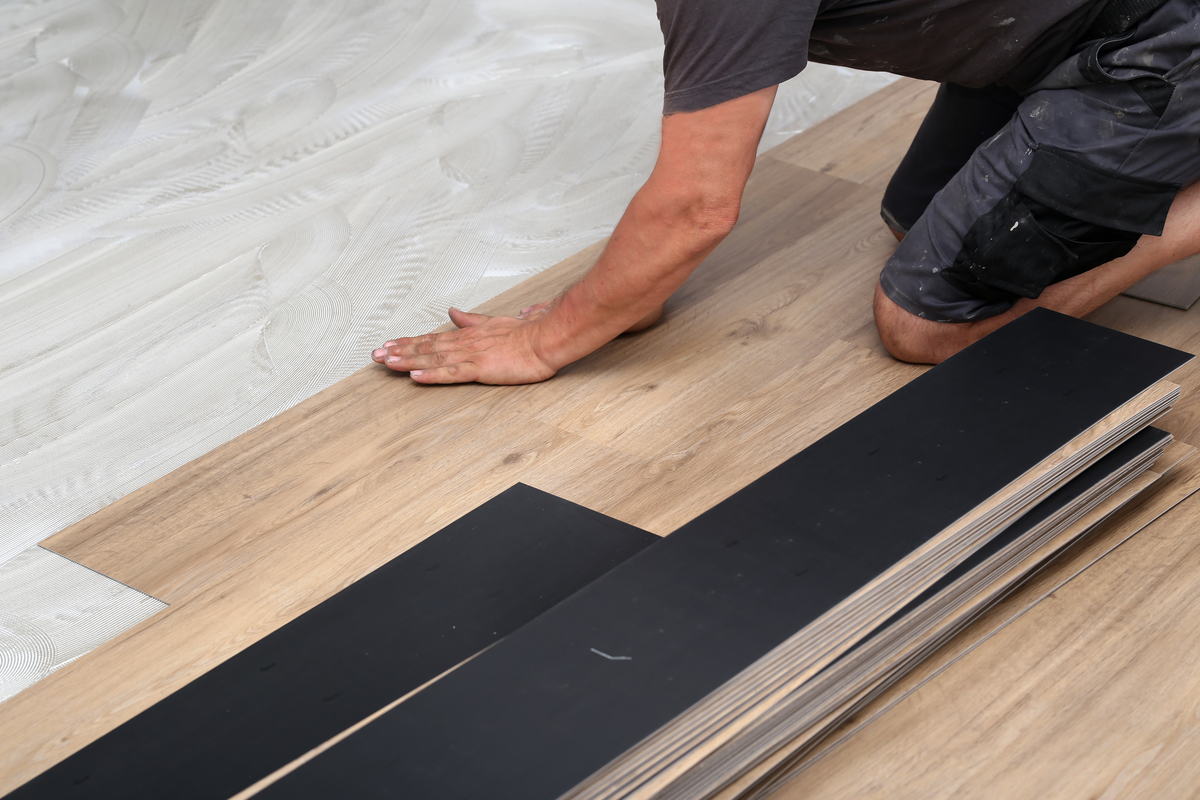
LVT Flooring Environmental Impact: Is It an Eco-Friendly Choice?
December 28, 2024
What is LVT flooring?
LVT (Luxury Vinyl Tile) flooring is a versatile, resilient material designed to mimic natural surfaces like wood or stone while offering superior durability and water resistance. It comprises multiple layers that provide strength, comfort, and a protective upper layer that enhances its longevity and scratch resistance. LVT is available in a variety of styles, thicknesses, and installation methods, allowing for customised options based on design and functional requirements. It offers realistic textures and visuals, making it a popular choice for both residential and commercial spaces seeking an aesthetic yet low-maintenance flooring solution.
How is LVT flooring made?
LVT, or Luxury Vinyl Tile, flooring is manufactured through a multi-step process that combines resilience and aesthetic appeal.
Design Layer Creation: The process begins with the creation of a high-resolution printed design layer that mimics the appearance of natural materials like wood or stone.
Vinyl Layer Application: Several layers of PVC are stacked to create a flexible sheet, contributing to the durability and waterproof properties of LVT flooring.
Decorative Layer Integration: The printed design is carefully bonded to the vinyl layer, ensuring precision in pattern and colour.
Wear Layer Addition: A clear, protective wear layer shields the design from scratches, stains, and wear.
Embossing for Texture: The surface undergoes an embossing process to achieve a realistic texture.
Quality Testing and Cutting: The flooring undergoes rigorous quality cheques before being cut into individual tiles or planks.
This comprehensive manufacturing approach results in LVT flooring that is visually impressive, durable, water-resistant, and easy to maintain.
What is the environmental impact of LVT flooring?
LVT (Luxury Vinyl Tile) flooring has a notable environmental impact that varies based on production, installation, and disposal methods. Primarily, LVT is derived from PVC, which raises concerns due to high energy consumption and emissions during manufacturing. According to a study by the Building Research Establishment (BRE), PVC production can release harmful dioxins into the environment.
Pros of LVT Flooring:
Durable and long-lasting
Water-resistant
Low maintenance
Cons of LVT Flooring:
Made from non-renewable resources
Difficult to recycle
Potential for VOC emissions
Environmental impact can be influenced by factors such as the use of recycled materials, the source of raw vinyl, and the efficiency of manufacturing processes.
Does LVT flooring contribute to pollution?
Yes, LVT (Luxury Vinyl Tile) flooring does contribute to pollution. A study by the European Chemicals Agency outlines that LVT flooring can release volatile organic compounds (VOCs) that contribute to indoor air pollution.
Pros of LVT Flooring:
Durable and long-lasting
Water-resistant
Easy to maintain
Cons of LVT Flooring:
Potential VOC emission
Not biodegradable
Can be difficult to recycle
How does LVT flooring affect indoor air quality?
LVT flooring can affect indoor air quality by emitting volatile organic compounds (VOCs); however, many manufacturers now offer low-VOC options. A study by the Environmental Protection Agency (EPA) found that materials with low VOCs can significantly reduce indoor air pollutants.
Is LVT flooring recyclable?
Yes, LVT flooring is recyclable, allowing the materials to be repurposed and reducing environmental waste impact.
Can LVT flooring be reused?
Yes, LVT flooring can be reused if removed carefully, although conditions like the adhesive used and the flooring's condition can affect this.
Pros:
Environmental Benefit: Reduces waste by reusing materials.
Economical: Cost-saving potential by repurposing flooring.
Cons:
Condition Dependency: May be challenging if the flooring is damaged.
Labour Intensive: Removal without damage requires effort and skill.
What are the challenges in recycling LVT flooring?
Recycling LVT flooring presents difficulties due to mixed material composition and improper labelling, complicating separation processes. Carefully managed recycling can mitigate environmental impacts but requires innovative solutions and industry commitment.
Pros:
Reduces landfill waste
Conserves raw materials
Cons:
Complex separation process
Higher recycling costs
How does LVT flooring compare to other flooring types environmentally?
LVT flooring is often criticised for its environmental impact due to production emissions and non-biodegradable materials. However, it offers durability and water resistance, reducing replacement frequency. According to a study by the European Commission, LVT's life cycle has a lower greenhouse gas emission compared to some hardwood types.
Comparison:
Pros of LVT: Durable, water-resistant, easy to maintain
Cons of LVT: Production emissions, non-biodegradable
Wood Flooring: Natural, biodegradable, higher carbon footprint in production
Ceramic Tiles: Durable, eco-friendly if locally sourced, energy-intensive production
Is LVT flooring more eco-friendly than hardwood?
LVT flooring tends to be less eco-friendly than hardwood due to its synthetic materials and production process.
Pros and Cons:
LVT Flooring:
Pros: Durable, water-resistant, easy to install and maintain.
Cons: Made from PVC, may emit VOCs, not biodegradable.
Hardwood Flooring:
Pros: Made from natural, renewable sources, biodegradable, can be refinished.
Cons: Can be expensive, susceptible to water damage, may require deforestation.
How does LVT flooring compare to laminate in terms of sustainability?
When comparing LVT (Luxury Vinyl Tile) flooring to laminate flooring in terms of sustainability, several factors come into play.
Materials:
LVT: Made from PVC, less sustainable due to plastic use.
Laminate: Composed of wood byproducts, often more sustainable.
Eco-Friendliness:
LVT: Not biodegradable, challenging to recycle.
Laminate: Can be more eco-friendly with lower VOCs, though not biodegradable.
Durability:
LVT: Highly durable, longer lifespan can reduce waste.
Laminate: Durable but may wear down faster, leading to more frequent replacement.
Energy Use:
LVT: High-energy processes in manufacturing.
Laminate: Typically less energy-intensive to produce.
Pros & Cons:
LVT:
Pros: Durable, water-resistant.
Cons: Less sustainable due to PVC content.
Laminate:
Pros: More eco-friendly materials.
Cons: Less durable, susceptible to moisture damage.
What are the benefits of choosing LVT flooring?
Durability: LVT flooring is known for its long-lasting nature, making it ideal for busy areas.
Versatility: Available in various styles, LVT mimics natural materials like wood and stone.
Ease of Maintenance: Requires minimal upkeep; just regular sweeping and occasional mopping.
Pros and Cons
Pros
Cons
Durable and long-lasting
Can be relatively expensive
Water-resistant
May require professional installation
Easy to clean and maintain
Does LVT flooring offer durability?
Yes, LVT flooring offers durability, designed to withstand high traffic and resist scratches and moisture.
Pros:
Water-resistant
Scratch-resistant
Low maintenance
Cons:
May be less eco-friendly
Can be more expensive than some alternatives
Is LVT flooring cost-effective?
Yes, LVT (Luxury Vinyl Tile) flooring is considered cost-effective due to its durability and aesthetic appeal.
The price range for LVT flooring typically falls between £2 and £7 per square foot, making it an economically viable option for many homeowners.
What are the drawbacks of LVT flooring?
LVT flooring comes with drawbacks such as potential fading under sunlight exposure, susceptibility to scratches, and difficulty in repair if damaged. It can also emit VOCs, impacting indoor air quality.
Sunlight Exposure: LVT may fade over time if exposed to direct sunlight.
Susceptibility to Scratches: Sharp objects can cause scratches, affecting appearance.
Repair Challenges: Damaged sections can be hard to replace without affecting surrounding tiles.
Does LVT flooring have a high environmental cost?
LVT (Luxury Vinyl Tile) flooring is associated with a significant environmental cost due to its production and disposal processes. The production of LVT involves high energy consumption and release of harmful chemicals.
Pros:
Durable and long-lasting
Water-resistant
Versatile in design
Cons:
High energy consumption in production
Release of volatile organic compounds (VOCs)
Difficult to recycle
Are there health concerns with LVT flooring?
Yes, there are potential health concerns with LVT (luxury vinyl tile) flooring, particularly regarding phthalates, which can emit VOCs affecting indoor air quality. Choosing low-VOC options can mitigate these risks.
How can the environmental impact of LVT flooring be reduced?
Reducing the environmental impact of LVT flooring involves selecting products made from recycled materials and using eco-friendly adhesives. Implementing take-back programmes for old flooring can aid in responsible disposal and recycling efforts.
Pros:
Lesser carbon footprint
Sustainable resource usage
Promotes recycling and waste reduction
Cons:
Potentially higher costs
Limited availability of eco-friendly options
Possible reduction in product variety
What are sustainable practises in LVT production?
Sustainable practises in LVT production include recycling materials, reducing VOC emissions, and using water-based inks.
How can consumers make eco-friendly choices with LVT flooring?
Eco-friendly choices with LVT flooring involve selecting products with low VOC emissions, recyclable content, and responsible production practises. Here’s a checklist to guide decisions:
Choose recyclable products.
Select low VOC emissions options.
Research brands with sustainable manufacturing practises.
Look for eco-certifications like FloorScore or GREENGUARD.
Invest in durable LVT to minimise waste.
Conclusion
In this article, we explored various flooring types, focusing on their unique attributes, durability, and maintenance needs, including wood, laminate, tile, and carpet flooring.
Wood flooring provides a natural look with durable options.
Hardwood is ideal for longevity, while engineered wood offers versatility.
Laminate flooring is cost-effective and available in multiple styles.
Tile flooring is durable and resistant to water.
Carpets offer comfort and aesthetic flexibility.
Understanding these flooring options empowers informed choices tailored to specific needs and preferences.
Explore Our Diverse Blog Content
Browse through our blog articles covering a wide range of flooring subjects. From home improvement to interior design, our content provides valuable information and inspiration for your interests and needs.