


(0)1622 589 999

info@allfloorstradecenter.co.uk

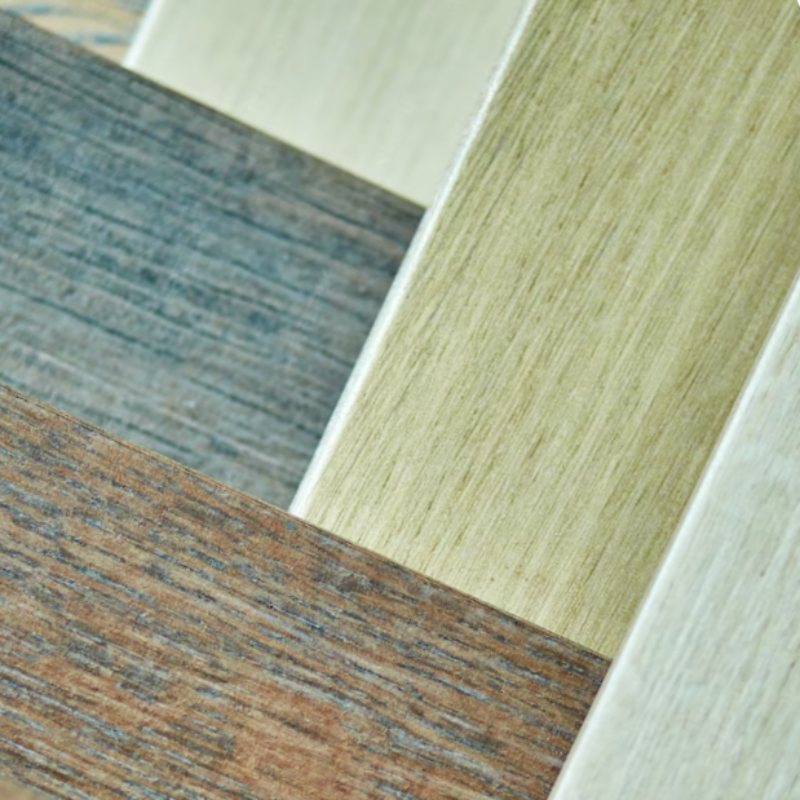
Finding the best LVT flooring can transform your home or commercial property, enhancing its aesthetic appeal and functionality. Whether you're planning a renovation or building from scratch, the right flooring plays an essential role in the process.
This comprehensive guide provides all the information you need to make the perfect choice. We'll help you delve into the diverse world of LVT flooring and familiarise yourself with various types and quality brands.
By the end of this article, you'll be well-equipped with the knowledge required to make an informed choice. Ready to embark on your flooring improvement journey? Visit Allfloors Trade Centre for an array of top-notch LVT flooring options.
Choosing the best LVT flooring depends on multiple factors, as it isn't a one-size-fits-all solution. Elements such as the property's usage, the room's environmental conditions, your design preference, and your budget all play critical roles in the decision-making process.
Let's explore two main types of LVT flooring to better understand which could be the most suitable choice for your specific needs.
Luxury vinyl tile (LVT) is a versatile and resilient flooring option that combines both aesthetic appeal and durability. It comes in equally sized square shapes and offers an impressive array of design options, mimicking the natural look of stone, ceramic, and hardwood.
Luxury vinyl plank (LVP) is another popular choice due to its realistic representation of natural wood. Perfect for those who want the look of a wooden flooring without the high price and tiring maintenance needs, LVP offers a wide range of styles, grains, and colours. Instead of square tiles, it comes in the shape of equally sized rectangles.
The selection of LVT flooring is a process that involves careful evaluation of different factors. Each element contributes to the overall performance, aesthetics, and longevity of the flooring. Let's delve into the key factors that influence the selection.
The wear layer is a transparent top coating on LVT flooring that is designed to protect the design layer underneath from damage. It's essential in providing protection against scratches, scuffs, and stains, thereby enhancing the flooring's longevity.
The thickness of the wear layer can determine the level of maintenance required. Nevertheless, LVT with thicker wear layers can be more expensive, and even with a protective layer, improper care can cause damage over time.
Beneath the wear layer lies the design layer, which dictates the aesthetic appearance of the LVT flooring. It often mimics natural materials, offering a wide range of design choices from the look of wood and stone to ceramic and marble.
This variety can accommodate different interior design styles, injecting character into your space. However, not all design layers are created equal -- inferior quality design layers may fade over time, and some design choices might not resemble the natural material as closely as others.
Embossing is a process that adds texture to LVT flooring, enhancing its realism by aligning the design layer with the texture. This feature adds dimension and depth to the flooring, providing a feel quite similar to natural materials like wood or stone.
Despite its contribution to the aesthetic, embossing can make the cleaning process more challenging due to the additional grooves and indentations it creates. Additionally, it might influence the cost of LVT flooring, making it a bit more expensive than non-embossed variants.
Warranties offer buyers protection, guaranteeing that the product will perform as described for a specific period. This provides peace of mind and protection against manufacturing defects. The duration of the warranty can be a reflection of the manufacturer's confidence in their product.
However, it's crucial to read the fine print since not all warranties cover all types of damage. Also, some companies offer limited warranties that provide protection for a shorter duration.
The brand reputation provides insight into the quality and reliability of its products judged by consumer feedback and historical performance. Established brands generally offer reliable and high-quality products and are known for good customer service and after-sales support.
However, products from reputable brands may be more expensive. Additionally, smaller or newer brands might not have an extensive history or enough reviews to gauge their reputation precisely.
With a multitude of LVT flooring brands available, each boasting unique strengths, diverse design options, and various price ranges, selecting the right one can be challenging. Let's delve into some top brands to help you make an informed decision.
Karndean is renowned for its high-end LVT flooring that replicates the natural beauty of wood and stone. The range and quality on offer make it a popular choice, but it's important to budget accordingly, as prices fall between £20 - £60 per square metre.
Amtico stands out with an innovative and diverse range of floor designs. The brand offers a tailored design service for those looking for something unique, with prices ranging between £35 and £70 per square metre.
Forbo sets itself apart with sustainable and innovative flooring solutions. This brand's concern with health and indoor environments doesn't come without cost, with prices generally between £25 and £55 per square metre.
COREtec offers a patented core structure for superior durability. While the water-resistant and aesthetically pleasing products are major selling points, prices typically fall between £30 - £60 per square metre.
LifeProof offers water-resistant, easy-to-install LVT flooring options. These well-designed, convenient-to-install floors are competitively priced, usually between £20 and £50 per square metre.
Armstrong provides a wide range of LVT flooring suitable for both residential and commercial use. Noted for its durability and design selection, Armstrong's price range is broad, typically between £25 and £75 per square metre.
Mannington Mills is known for innovative designs and quality commitment. Despite being a reliable choice, expect to pay more for this brand, with prices typically between £30 - £70 per square metre.
Cali stands out for its eco-friendly and high-quality LVT flooring. Despite its green practices and diverse range, prices for Cali are competitive, generally falling between £25 and £55 per square metre.
Shaw Industries offers a vast selection of LVT flooring options. With its wide array of designs and renowned durability, prices typically range between £30 - £75 per square metre.
Commercial spaces - including offices, retail stores, hospitality venues, and health centres - demand sturdy, appealing, and easy-to-maintain LVT flooring options.
For high-traffic areas like shops and restaurants, Karndean's durability and design variety are fitting. Armstrong's extensive design options are suitable for offices or corporate spaces, where aesthetics are crucial.
Meanwhile, Amtico could be an ideal choice for hospitality venues that value unique aesthetics, while Forbo's eco-friendly options are perfect for institutions prioritising healthy indoor environments.
LifeProof's water-resistance and easy installation make it fitting for spaces like commercial kitchens or gyms, and COREtec's superior durability fits well in high-footfall areas prone to spills, such as cafes and retail stores.
As for flooring types, in the debate between LVT and LVP for commercial spaces, both can be excellent choices, as they offer durability and extensive design choices. However, the decision often comes down to the desired aesthetic.
LVP, with its realistic wood-like appearance, might offer a warm, inviting feel perfect for spaces like offices or boutique stores. On the other hand, LVT, with its ability to mimic a variety of materials, offers more design flexibility and may be a better fit for venues that desire a specific aesthetic, such as restaurants or high-end retail stores.
Ultimately, the choice between LVT and LVP will depend on the specific needs and design vision of the commercial space.
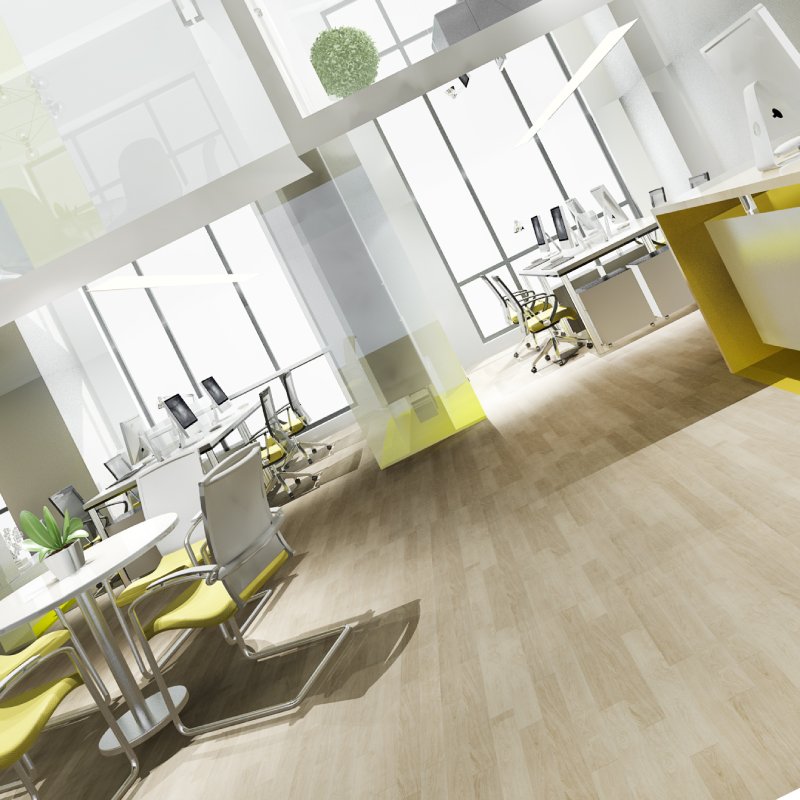
The answer is both yes and no, and much of it depends on a variety of factors. Here are some key elements to consider:
While LVT flooring brings a host of advantages, its suitability as the 'best' flooring hinges on these specific factors and personal preferences.
Choosing the right LVT flooring for your property can be a challenging process, but with the right information, you're well on your way to making an informed decision. Whether you're sprucing up your cosy home or enhancing a bustling commercial space, selecting the best LVT flooring can significantly elevate its appeal and functionality.
Remember, the 'best' LVT flooring isn't a universal concept. It depends on various factors, including your property type, usage needs, design preferences, budget, and maintenance expectations. By considering these aspects, you can ensure you choose flooring that not only looks great but also stands the test of time.
As you journey on this path of property improvement, don't hesitate to seek expert advice and explore high-quality products. Visit All Floors Trade Centre to view a variety of top-notch LVT flooring options, or get in touch with our team for personalised guidance tailored to your flooring needs!