


(0)1622 589 999

info@allfloorstradecenter.co.uk

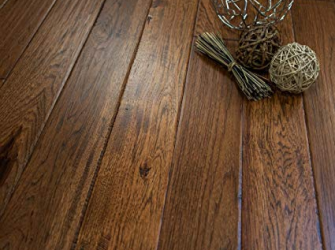
LVT is short for luxury vinyl tiles, and they’re a type of flooring made from multiple layers of material to mimic the appearance of natural floors like wood and stone. It’s a highly durable, water-resistant option that’s suitable for both residential and commercial areas, and it’s a breeze to install.
The reason these floors are famous is that they strike a perfect balance between practicality and aesthetics. Also, they’re more budget-friendly than many other types of floors.
LVT floors come in endless colours and patterns to fit every interior, and they include four types that differ in installation methods. Here’s a quick roundup of them:
Concrete is a unique type of floor that doesn’t come in tiles. Instead, it comes in large flat slabs that are either poured in the place of installation or prepared beforehand in a factory. It’s a more common choice for garages and basements than houses, but its appearance can be tweaked to match any interior, even residential.
Concrete floors are known for their high strength and durability, which are favourable features in the renovation business. However, they can be considered a double-edged sword because they make the feel of the floor under your feet extremely hard.
Concrete flooring comes in various types and finishes, and we rounded up the most famous three for you:
Linoleum flooring is made from natural ingredients pressed and woven into a backing made from plant fibres. It’s a wise choice for bathrooms, kitchens, and damp places in general because it’s resistant to water damage. However, it doesn’t take heavy furniture too well and can become dented fast, so it’s not a famous option for other rooms.
Another favourable feature about lino floors is that they’re extremely durable, having an average lifespan of 40 years.
Linoleum floors don’t come in many types, but they’re sold in two forms, tiles and rolls.
Wood flooring is a perfect choice for houses, given its classic charm, durability, and endless styles and patterns. It also increases property values, so it’s preferred by many contractors over any other type of floor.
The best feature about wood floors is their versatility, as you can install them in any room in your house that isn’t regularly exposed to water.
Wood flooring comes in endless types and patterns, and we’ll give you a quick rundown of the most famous two, solid wood and engineered wood.
Carpet flooring is manufactured from textiles instead of hard materials, so it provides warmth and comfort underfoot like no other type of floor. It’s most famously associated with residential properties because of its elegance and practicality. However, it’s only the right match for rooms that aren’t exposed to water on a regular basis, like kitchens and bathrooms.
The most famous carpet types are wool, nylon, polypropylene, and wool/nylon blends. Here’s a quick list of them:
Resin flooring is manufactured from heavy-duty plastic and coated with hardener materials to increase its strength. It’s a famous type among industrial property owners because of its unprecedented strength and affordability. However, it’s not an option for houses because it doesn’t offer much in the look department.
Resin floors come in three types, and here’s a quick roundup of them:
Vinyl is a synthetic material famous in the renovation industry for its durability, versatility, and affordability. It’s an ideal choice for people who have limited budgets but don’t want to sacrifice style, as it comes in endless finishes that mimic natural wood, marble, stone, and more.
Vinyl floors are made from multiple layers to boost their resistance to water, scratches, and stains. On top of that, they come in many forms, including LVT. Since we already discussed this type, here’s a roundup of the other most common forms:
Stone flooring raises an all-natural flag in the renovation industry, given that it’s manufactured directly from heavy blocks of stone types like granite, limestone, marble, and more. It’s known for its cooling effect in any indoor setting, so it’s famous in hot and tropical areas.
On top of that, it’s one of the most durable and stylish types of floors. However, it comes with pretty hefty price tags, making it more common in high-end neighbourhoods.
Stone floors come in a wide range of materials and patterns, and we’ve rounded up the most famous four for you:
Laminate flooring is a synthetic type of floor made from a base wooden layer, an image layer, and a wear layer. It combines the charming looks of wood and enhanced durability of synthetic materials, making it a sought-after option in the renovating business.
Best of all, laminate floors are suitable for every room you can think of, even bathrooms and kitchens.
The most famous types of laminate flooring are plastic and engineered wood.
[/et_pb_text][et_pb_image src="https://www.allfloorstradecentre.co.uk/wp-content/uploads/2023/06/flooring-types-1.jpg" alt="flooring-types" title_text="flooring-types-1" _builder_version="4.18.0" _module_preset="default" hover_enabled="0" locked="off" global_colors_info="{}" sticky_enabled="0"][/et_pb_image][et_pb_text _builder_version="4.18.0" _module_preset="default" text_font_size="18px" locked="off" global_colors_info="{}"]
After learning about the different types of floors, you might be wondering which one is best for your place. However, there isn’t a definitive answer. The best type of floor depends on your needs.
For instance, LVT, wood, carpet, and vinyl floors are best suited for houses and residential cabins. Meanwhile, linoleum, concrete, and resin floors are better matches for industrial and commercial properties.
If you want to get a better idea about which floor fits where, check this list of places and their designated types of floors:
Wood floors come at the top of our recommendations for residential properties. They’re comfortable underfoot, provide decent durability, and don’t lack in the aesthetics department.
However, they might be too expensive for many people, so as an affordable and equally competent alternative, we recommend LVT flooring.
LVT floors come in many shapes that match wood, so you won’t feel a difference there. They’re also easy to clean and maintain and will stay with you for a long time without needing replacement.
If you have an open kitchen that merges with your interior decor, and you don’t want to ruin the aesthetic with an artificial-looking floor, we recommend installing hardwood flooring. It can be sealed with a protective layer to become more resistant to water, and it’s durable enough to take high foot traffic.
On the other side, if your kitchen is closed and you’re prioritising practicality over looks, we recommend vinyl floors. They take constant exposure to water well and won’t cost you as much as hardwood.
Ceramic floors are always a winner for bathrooms, given their smooth and clean look and ease of cleaning. They’re also invincible against water damage, so you have nothing to worry about. However, ceramic can be a bit costly, especially if you have more than one bathroom in your house.
A more affordable and equally practical alternative is vinyl flooring. While it’s less resistant to water than ceramic, it doesn’t stain and is as easily cleanable.
Hallways are one of the highest-traffic areas in your house, so they need durable yet stylish flooring that merges well with the rest of your interior. We recommend vinyl or LVT because they both stand the test of time well and don’t show signs of wear and tear fast.
That said, if you want to opt for a more stylish option, engineered or solid wood is your best bet.
Stairs have to be non-slippery and durable to take the constant foot traffic. For these reasons, we recommend hardwood, vinyl, or laminate floors. Hardwood is the more sophisticated option, but it isn’t affordable for everybody.
Laminate gives you the best of both worlds, as it looks natural but is as resilient as artificial options. Meanwhile, vinyl is the most affordable of the three but doesn’t compete furiously in the looks department.
Resin floors are among the best for commercial areas because of their low price and ideal performance. They’re pretty low maintenance and resistant to water damage and stains, which means they’re perfect for high-traffic places. While they don’t look as elegant as other types, aesthetics are rarely a priority in the commercial field.
Another option that offers more in terms of aesthetics and is equally practical is LVT flooring. It’s also affordable, with endless style options.
Vinyl remains at the top of our considerations for office spaces, given that it’s insanely easy to clean and maintain. It’s also durable enough to withstand foot traffic, swivel chairs, desks, and more.
That said, if you’re looking for a more elegant option, you can opt for hardwood floors. They’re a classic for offices because of their longevity, but they aren’t as easy to maintain.
If you own a sports facility, you don’t need to look further than resin floors, more specifically, those made from polyurethane. It’s one of the toughest materials on the market and absorbs shocks decently. Best of all, it comes in many colours and can be personalised to match a team’s logo or emblem.
Vinyl floors are also a wise choice, but they’re harder than polyurethane and don’t absorb shocks as well.
Concrete floors are our first option for factories. They sport unparalleled sturdiness and durability. Because of this, they’re heavy-duty enough to withstand the weight of vehicles, forklifts, and other large equipment without collapsing. They also don’t react with any chemicals, making them suitable for nearly all types of factories.
Epoxy and rubber floors are also common among factory owners because of their resistance to wear and durability. However, they’re best left for lightweight industries.
Floors come in various types and materials, ranging from natural to blended and synthetic. The most famous natural options are concrete, wood, stone, and linoleum. Meanwhile, the common synthetics are resin, vinyl, and LVT. Laminate and carpet are considered blended because they consist of both natural and synthetic materials.
Wherever you want to install floors, you’ll find the right match for your place on our list. If you want to get a detailed price quote, get in touch with us now!