


(0)1622 589 999

info@allfloorstradecenter.co.uk


Imagine this: you've bought a new house, and you're excited to start decorating. You've got your eye on a beautiful stone floor, but you're not sure which type is right. When you try researching online, you get overwhelmed by all the opinions from critiques.
You don't want to choose the wrong stone floor and end up with something that looks nothing like your interior. By understanding the different types of tiles, their pros and cons, and how to care for them, you can make an informed decision about the best flooring for your home or establishment.
We’ll provide you with all the information you need to select the right flooring for your specific needs.
This type of flooring has three layers of materials. The top decorative layer is usually painted to mimic real wood, stone, tile, or other natural material. The next layer is a protective layer that makes the board resistant to scratches and scuffs. And the bottom layer makes the flooring solid and stable.
Laminate flooring comes in different styles and colours, so you can find one that matches your interior decor. They’re mostly used in offices, living rooms, and hallways since they can withstand heavy traffic.
The price ranges from £15 to £80, so you should get quotes from different retailers before buying.
Vinyl flooring is made of polyvinyl chloride (PVC), a synthetic polymer of plastic. The material is versatile and widespread in residential, commercial, and industrial settings.
Vinyl planks are designed to mimic natural materials like wood, tile, and natural stone, making your space look beautiful at a low cost.
The cost of vinyl flooring can range from £10 to £45 per square metre, depending on your taste in quality, the room size, and labour cost in your area.
Carpets are made from textile fibres woven into a backing and have been around for centuries. They’re a popular choice for living rooms and bedrooms because they’re soft and comfortable to walk on, especially with bare feet.
You can also find carpets made of different materials like wool, nylon, polyester, and olefin, allowing you to choose the best option for your home or office.
You can expect to pay between £10 and £50 per square metre for carpet flooring and another £10 and £30 per square metre for professional installation.
Luxury vinyl tile (LVT) flooring is made by combining PVC and other materials like clay, fillers, plasticisers, and resins.
It’s built to look like wood, stone, or tile and is a popular flooring option for kitchens and bathrooms because of its high resistance to moisture and humidity.
LVT flooring can cost you anywhere from £10 to £45 per square metre for the materials and £20 to £40 per square metre for professional installation.
Linoleum or lino flooring is made from natural materials like linseed oil, pine resin, ground cork dust, and limestone.
It comes in different colours and styles to match multiple home and office decors and is easy to clean, unlike carpets and other flooring types.
Linoleum tiles can range from £10 to £20 per square metre, while the sheets range from £20 to £30 per square metre.
Wood flooring is made from timber, except bamboo flooring, and is a common option that comes in different styles, colours, cuts, and species.
It’s a popular choice for homes and commercial spaces like offices and restaurants because it’s durable and aesthetic.
Solid hardwood may range from £30 to £100 per square metre, depending on the type of timber and area covered.
Stone flooring is made from natural stone, like marble, granite, and limestone.
It’s a durable option with a luxurious appeal, making it suitable for high-end establishments like restaurants, hotels, and office buildings.
The price of natural stone may range from £50 to £200 per square metre.
Tile flooring is made from small ceramic, porcelain, glass, or stone pieces.
It’s also resistant to water and weather damage, making it suitable for indoor and outdoor settings like kitchens, bathrooms, patios, and decks.
The average price of tile flooring ranges from £10 to £200 per square metre, depending on the type and quality.
Concrete flooring is made by mixing cement, water, sand, and gravel and allowed to harden.
It’s a good choice for high-traffic areas as it can withstand heavy wear and tear from day-to-day activities.
Concrete flooring costs range from £10 to £150 per square metre. Its average total price depends on the type of concrete, including tiles, polished, and stamped concrete.
Resin floors are manufactured by mixing resin and hardeners. The resin is usually epoxy or polyurethane, while the hardener is a chemical that cures it.
It’s used in different settings, like industries and warehouses.
The average price of resin flooring ranges from £20 to £150 per square metre. This depends on whether you want resin tiles, concrete, or epoxy.
This flooring is produced using natural or synthetic rubber.
It can absorb shock from impacts and withstand heavy wear and tear, making it suitable for gyms, warehouses, and children’s playrooms.
The average price of total rubber flooring ranges from £15 to £75 per square metre.
There’s no best flooring, as it all depends on your budget, property, uses, and preferences. Once you’ve determined these factors, you can narrow down your options to pick the best one that meets your needs and taste.
Before choosing a flooring type, consider the area you want installed and how effective it’ll be under the room’s condition.
Kitchens are high-traffic areas prone to spills, messes, and even accidents. These rooms are usually warm and humid, making various flooring materials vulnerable to damage.
Here are some flooring types suitable for your kitchen:
Bedrooms are usually low-traffic areas used for sleeping, relaxing, and dressing. They’re also warm and humid, so you should pick a flooring option that won’t cave in such conditions.
The following are the best flooring options for bedrooms:
Living rooms are high-traffic areas because it’s where people socialise, watch TV, and play games. The environment is usually warm and humid, so you should pick the flooring that can withstand the changing atmosphere.
Consider these flooring options for your living room:
Bathrooms are prone to spills, puddles, and other messes that can stain floors. To ensure your floors last long, you should choose flooring materials that can withstand such conditions.
Here are some of the best flooring options for bathrooms:
Hallways are high-traffic areas prone to foot traffic, dirt, and debris. They’re also usually warm and humid, making certain flooring options vulnerable to damage.
Check out these flooring types suitable for hallways:
Stairs experience a lot of foot traffic that tracks in dirt and debris from the outdoors.
Take a look at some of the most suitable floorings for your stairs:
There isn’t a perfect flooring for businesses because it all depends on their specific needs.
If you want the right flooring for your office or building, consider your budget for the project, the type of property, and its uses. Is it an office or warehouse, and will it experience high or low traffic?
You should also consider a colour that will match the company’s brand and evoke the right emotion in its clients.
Let’s explore the various businesses and their most suitable flooring.
Offices receive clients and customers and hold meetings, making them prone to dirt and debris. To that end, you need flooring that’s easy to maintain and can withstand heavy foot traffic.
Take a look at some of the best flooring types for offices:
Sports facilities experience heavy foot traffic as people train, work out, or play different games. They’re also prone to spills and are humid.
To ensure you get the best flooring, you should choose one that’s safe and durable enough to withstand intense activities. Here are some options to consider:
Factories are warm and humid due to the intense production and processing activities. They also experience heavy foot traffic; some processes even involve abrasive chemicals that can damage floors.
Here are some flooring solutions that can withstand these conditions:
Warehouse experience high traffic due to people and machines moving and organising boxes, crates, and other heavy equipment. Accidents are also common in these areas, and the floors are frequently exposed to dirt and debris.
Check out the following flooring options that are right for warehouses:
The best flooring brand is the one that meets your specific needs and budget. There are many good companies available, so be sure to research your options and compare prices before deciding on a floor.
Here are some most popular flooring brands:
Amtico is a flooring company known for its LVT flooring made from different materials like PVC, vinyl, and resin. It’s available in multiple styles, including wood, tile, and stone, each moisture-resistant and easy to clean.
The brand is a good choice for residential and commercial flooring solutions, and the affordable price range for the LVT is £30-£100 per square metre.
Quick-Step is a Belgian flooring company known for its laminate flooring made from materials like HDF, PVC, and resin. The brand’s laminate is durable, moisture-resistant, and easy to clean, making it suitable for kitchens and bathrooms in residential homes and offices in commercial spaces.
The average price range for Quick-Step laminate is £20-£60 per square metre, which is quite affordable.
If you need expensive luxury wood, you can trust Ted Todd to deliver it. They use the best-quality eco-friendly timber to craft natural wood floors for homes and commercial spaces.
Their flooring solutions are durable, sustainable, and beautiful, with a high price range of £50-£400
Moduleo is a Belgian flooring company popular for handling all its processes in-house, from designing to manufacturing. They’re known for their LVT flooring, characterised by its moisture-resistant and easy-to-clean surface.
The cost of Moduleo LVT ranges from £30-£100 per square metre, which is affordable for luxury.
Kahrs is a Swedish flooring company famous for their high-quality hardwood flooring. Their product is manufactured from select European hardwood and comes in multiple styles, such as classic, modern, and rustic.
The flooring is durable and ideal for residential and commercial settings, with a costly price range of £50-£150 per square metre.
There isn’t a one-size-fits-all option since the best colour depends on the room and decor.
Here are some popular and versatile flooring colour options:
Before choosing a colour for your room, consider your preferences and the atmosphere you want to create.
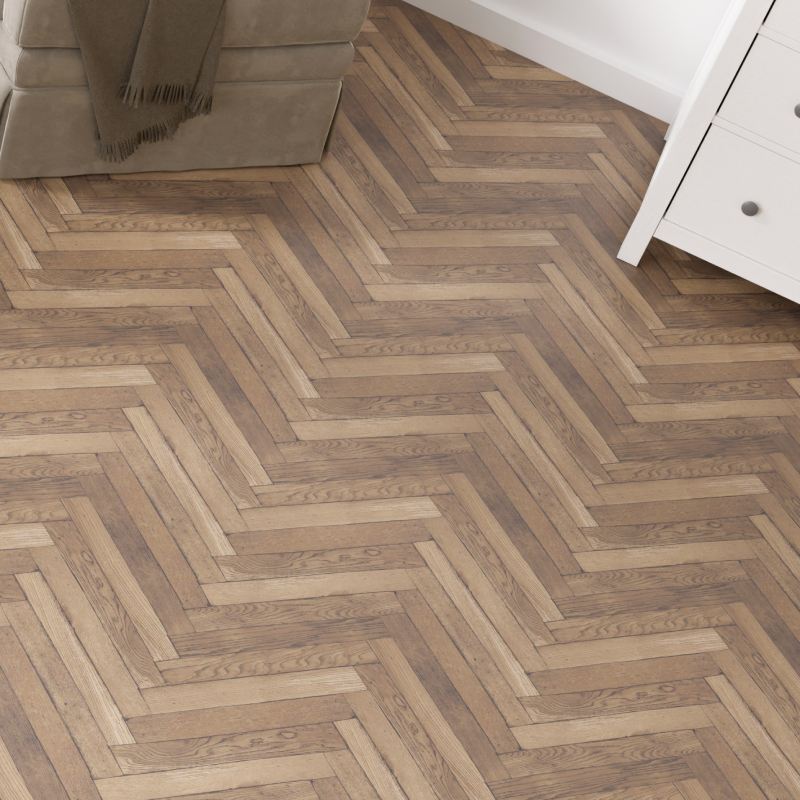
Maintaining your floors keeps them in good condition for longer, even under heavy traffic.
The following tips will help you keep your floors in mint condition:
Remember that each floor type has different requirements when it comes to maintenance. For example, you should clean hardwood floors with a damp mop, not a wet one like tile flooring.
It’s essential to realise that every floor type has its unique cleaning method.
Here are some steps for cleaning different types of flooring:
While there are many methods for cleaning your floors, some are best suited for specific flooring types. Here are the common ones:
Vinyl flooring has the best price ranging from £10 to £45 per square foot. The raw materials used to produce vinyl are relatively cheap and mostly made of recycled plastics. The manufacturing process is also simple, keeping the cost of vinyl flooring as low as possible.
Here’s a table showing other common flooring options and their prices:
| Flooring Type | Price Range (£ per square foot) |
| Laminate flooring | £15 to £80 |
| Vinyl flooring | £10 to £45 |
| Carpet | £10 and £50 |
| LVT flooring | £10 to £45 |
| Lino | £10 to £20 |
| Wood flooring | £30 to £100 |
| Stone flooring | £50 to £200 |
| Tile flooring | £10 to £200 |
| Concrete flooring | £10 to £150 |
| Resin flooring | £20 to £150 |
| Rubber | £15 to £75 |
The best flooring for the money is Vinyl. If you want a durable, affordable, low-maintenance flooring solution, then vinyl is the best choice. It’s available in different styles, such as wood, tile, and stone, giving your space that natural look without the extra cost.
Marble is considered the best high-end floor covering. It comes in different colours and finishes, so you can find a look that matches your taste and decor. It’s also easy to clean and relatively expensive, making it a luxurious option for high-end flooring projects.
It depends on their age and activity level. For example, a soft cushiony carpet suits younger children because they tend to fall more often. The textile fibre will break their fall and prevent any serious injuries.
As children age, they become more active and may spill or track in dirt and food all over the floors. A hard surface floor like tile or laminate is a good option because they’re water-resistant and easy to clean.
It depends on the pet you have and their activity level. For instance, if you have a cat prone to scratching, you may need a scratch-resistant floor like tile or vinyl. Dogs, however, will track in dirt and mud that can damage floorings like carpets, so you need a stain-resistant option like hardwood or laminate.
The best floor for dogs is durable and easy to clean, like tile, laminate, or vinyl. They’re less likely to be affected by scratches or pet urine and are easy to clean spills and messes. However, no floor is completely immune to damage from dogs, so you may have to throw in a rug.
It’d be LVT. It’s a durable material that can withstand heavy traffic and resist scratches, dents, and fading. It’s also resistant to stains and easy to clean, so you can rest assured that your floors will look the best after cleaning with a mild soap and water solution.
Tile would be best because it can withstand spills and flooding. The material is water-resistant, making it ideal for moisture-prone areas like kitchens and bathrooms. You can also install tiles in mudrooms and laundry rooms, as they’re easy to clean with a mild soap and water solution.
The best floor insulation is rigid foam. It has a high R-value, meaning it can block heat transfer and save you enough energy to reduce your heating and cooling expenses. It's also water resistant, protecting your floors from moisture damage caused by spills.
And if you want insulation that can endure heavy loads, rigid foam is the best option.
The best way to do it is to seal any air leaks and insulate the walls, floors, and ceiling. Air leaks allow cold air into a room, so it’s important to fill up any cracks or gaps around windows, doors, and other openings using caulk or weatherstripping.
You should also use the right insulation for your walls, floors, and ceiling, like fibreglass, cellulose, and rigid foam.
Foam is the best underlayment for all flooring types because it has good temperature regulation. It can insulate heat to keep your floors warm in the winter and cool in the summer. It’s also easy to install and more affordable than other underlayments, like rubber and cork.
Hardwood, carpet, tile, laminate, or vinyl floorings are the best ways to cover your floor. These are popular options with unique properties that allow them to last for years while protecting your floors from the wear and tear of daily use.
However, there are many other types of flooring, and the better option depends on your needs, budget, and the look you want to achieve.
Choosing the right flooring for your home or business is a daunting task. With so many different types of flooring available, each with its unique set of features, it can be hard to know where to start.
That's where we come in. We're experts in flooring and can help you make the right choice for your specific needs. If you're ready to start your flooring journey, reach out to us today.