


(0)1622 589 999

info@allfloorstradecenter.co.uk

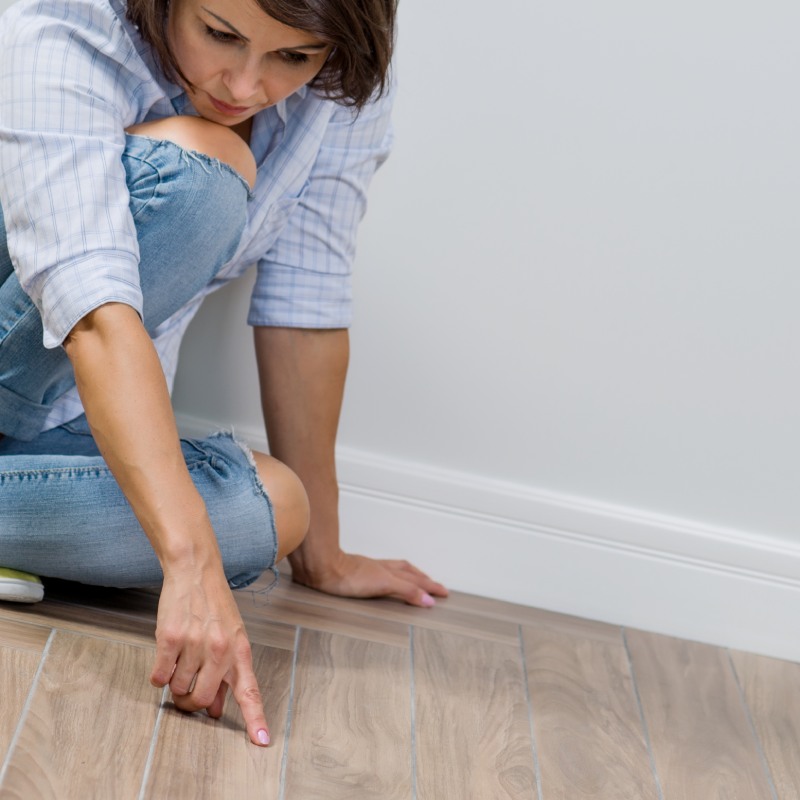
Is laminate flooring best for your property? It depends!
As with many home improvement projects, the choice of flooring to install depends on several factors, such as your budget, preferences, and the features of your property.
Laminate flooring offers the beauty and warmth of natural wood and stones without breaking the bank. Keep reading to find out whether it’s the perfect flooring for your building.
Laminate flooring is a synthetic floor covering that has several layers.
First, it has a backing that serves as a moisture barrier. Next is the core layer, which is made of composite wood (fibreboard or plywood).
The third layer is a printed image that takes the appearance of actual wood, stone, or tile. And the last layer is the wear layer, a thin and opaque plastic that protects the other layers from damage.
Yes, laminate flooring is still in demand, and its qualities make it an excellent choice for most rooms in your house. The popular designs are tile and stone laminate floors, but you can customise the flooring to mimic any traditional type of flooring.
Laminate flooring materials are plastic and engineered wood. We’ll discuss their pros and cons.
Plastic laminate combines kraft paper, wood veneer, melamine, and resin. It’s used on countertops, wall panels, and doors.
This type of flooring uses real wood and acrylic lamination. It’s suitable for people who want the natural feel of real wood but still want the benefits of laminate flooring.
The laminate flooring is versatile and cost-effective, making it useful in both residential and commercial settings.
You can install laminate flooring in living areas, kitchen, bathroom, and basement.
Commercial-grade laminate flooring is suitable for offices, healthcare and educational facilities, hotels, and shopping malls.
Below are some benefits of installing laminate flooring:
Despite its advantages, laminate flooring has some drawbacks, such as:
There are various options when it comes to laminate flooring. We’ve sorted them based on their characteristics.
Laminate flooring colours range from natural to light or dark. However, you can have two or three tones to match the appearance of natural wood or stone.
Applying finishes to the surface of a laminate floor enhances its appearance. Depending on your preference, you’ll find finishes for a contemporary, natural, or rustic feel. Some common laminate flooring finishes are:
Laminate flooring showcases a wide range of designs and patterns, such as:
The best type of laminate floor depends on your budget, personal preferences, and intended use. Generally, laminate flooring materials are affordable, but if you want high-quality, you should be willing to spend a little bit more.
Lower-priced laminates will have low image layer quality, low abrasion criteria (AC) rating, thinner planks, and less moisture resistance. Therefore, if you're expecting high foot traffic within a space, a thick laminate floor would be ideal. Also, a high AC rating determines how much stain and scratch the material can endure.
Here's a list of the best laminate flooring brands:

The cost of laminate flooring depends on the type of laminate you choose. We’ve tabulated the price range for the popular laminate flooring options available in the UK.
| Laminate flooring options | Price range (square metres) |
| Oak | £16 - £25 |
| Chestnut and hickory | £16 - £35 |
| Walnut | £17 - £30 |
| Exotic faux wood | £25 - £50 |
| Faux stone | £15 - £35 |
| Faux marble and granite | £19 - £55 |
| Faux ceramic tile | £10 to £25 |
Yes, you can find laminate flooring at a relatively low price. It falls within the budget range and costs between £10 to £15 per square metre. This range of laminate flooring has simple designs and a thinner wear layer, which affects its overall quality and durability.
Yes, you can purchase laminate flooring at a premium price point. It ranges between £25 to £50 per square metre based on certain factors, such as the brand, enhanced stain and scratch resistance, and design details.
Installing laminate flooring would cost between £600 to £3,500, including the supply of materials and labour. The prices depend on the size of the room, the type of laminate, and how long it takes to install. Other factors that influence the overall installation cost are underlay, underfloor heating, skirting boards, and trims.
Laminate flooring doesn't necessarily make your property worth more or less. However, the resale value of the property should increase if you install premium laminate flooring.
But it won't be the same as hardwood. Also, if the previous flooring needed an upgrade, replacing it with laminate will make the property more attractive.
Fitting laminate flooring involves a number of steps: measuring the room, preparing the subfloor, installing the underlay, and placing the laminate planks. The steps are described below:
There are three types of laminate flooring installation: glued, pre-glued, and glueless click.
Yes, laminate flooring requires an underlayment because it reduces noise, improves underfoot comfort and insulation, and extends the lifespan of the flooring. It also protects the flooring from moisture that may seep through the ground.
Yes, you can install laminate flooring as a DIY project if you have the required tools and confidence in your abilities. But if you're unsure or want to install a complex design, it's best to hire a professional.
Although laminate flooring requires low maintenance, you should take steps to ensure it remains in good condition. These steps include preventing dirt and potential damage, regular sweeping, wiping spills as soon as they occur, and maintaining optimum humidity levels.
1. Prevent Dirt and Potential Damage
Place door mats outside and inside entrances to prevent people and pets from trailing dirt around the house. You should also consider placing felt pads under your furniture to prevent scratches that may damage the flooring.
It’s important to note that stiletto heels can damage laminate flooring. You should consider moving around the house without shoes and encourage your guests to do the same.
2. Regular Sweeping
Allowing dirt, mud, grit, and other debris to accumulate on laminate flooring can result in scratches over time. Hence the need to sweep regularly.
Ensure to use a soft brush to prevent abrasion. A vacuum cleaner without the beater bar can also come in handy when you need to pick up dirt along the edges and between the tiles.
3. Wipe Spills Fast
If you leave water on laminate flooring for a long time, it can lead to warping or damage. It may also void the warranty. Therefore, you should prevent spills from occurring in the first place. And when they do, wipe them immediately.
4. Maintain Optimum Humidity Levels
You should keep your humidifier between 35 - 65% during winter to prevent your flooring from shrinking. This is perfect for rooms without electric heating. Additionally, during summer, you should keep the internal temperature at 18.5°C - 24°C and avoid adjusting the thermostat regularly.
To clean laminate flooring, you should consider damp mopping and using the manufacturer-recommended cleaning solution. The cleaning frequency depends on the foot traffic, the season, and where you live.
1. Damp Mopping
After sweeping or vacuuming, you should use a damp mop or cloth to wipe the floor instead of string mops or steam cleaners that hold a lot of water. Also, if there are spots with tough stains, apply acetone, then scrub it gently before wiping it with a damp cloth.
2. Apply the Appropriate Cleaning Solution
You should apply the recommended laminate cleaner instead of detergent, soap, or other floor cleaners, then wipe the floor with a microfibre mop.
Yes, you can repair laminate flooring if there’s a shallow scratch or the finishes are looking dull. But if the damage is significant, like a large scratch, raised or curled edges, or a chip, then it’s time to replace your flooring.
Laminate flooring can last between 10 to 25 years. The lifespan depends on the quality of the flooring, if it was properly installed, the amount of abuse it receives daily, and your maintenance culture.
Generally, laminate flooring performs well. It endures heavy foot traffic and still manages to last a long time without scratching, staining, or fading. Also, many manufacturers now offer both waterproofed and water-resistant models to prevent moisture damage.
Yes, laminate flooring has environmental benefits. For starters, it’s made from the byproduct of renewable timber species like pine. As a result, it doesn’t contribute to deforestation or energy consumption and carbon emission. Also, it’s recyclable and poses no negative impact on the environment when uninstalled.
Laminate flooring can fit into various properties, whether you have kids, pets or receive a lot of guests.
Yes, laminate flooring is good for pets. It’s resistant to stains and water, and you can easily clean dirty paw marks and accidental spills.
Kids can play on laminate flooring. It repels dust, so you don’t have to worry about allergens. Also, it offers traction when kids run around and won’t scratch when they race around the room in a bobby car.
Yes, you can install laminate flooring in an area with high foot traffic. However, you should choose one that’s thick and has an AC rating of 4 or 5.
Yes, you can install laminate flooring in places that get wet, like the bathroom. But you have to follow the manufacturer’s guidelines and take necessary precautions to ensure water doesn’t stay longer on the flooring material.
No, laminate flooring isn’t waterproof. Rather, it’s water-resistant, which means it can tolerate accidental spills unless left unattended for a long time.
Laminate flooring is perfect if you’re looking for a floor that’s durable, affordable, and can be installed as a beginner DIY project.
But before you go for it, you should weigh the pros and cons. Installing laminate flooring will no doubt give your building a facelift but won’t rake in the same ROI as natural hardwood and stones.
If you’re still not sure about what’s best for your property, you should contact a professional who’ll assess the space and make recommendations.