


(0)1622 589 999

info@allfloorstradecenter.co.uk

Many people enjoy furnishing their dream house, and choosing the right floor type is an essential part of this project.
Each room has specific needs, but LVT flooring in a bedroom and other premises is a proven solution. And this guide will go through everything you need to know about how LVT flooring can improve your home.
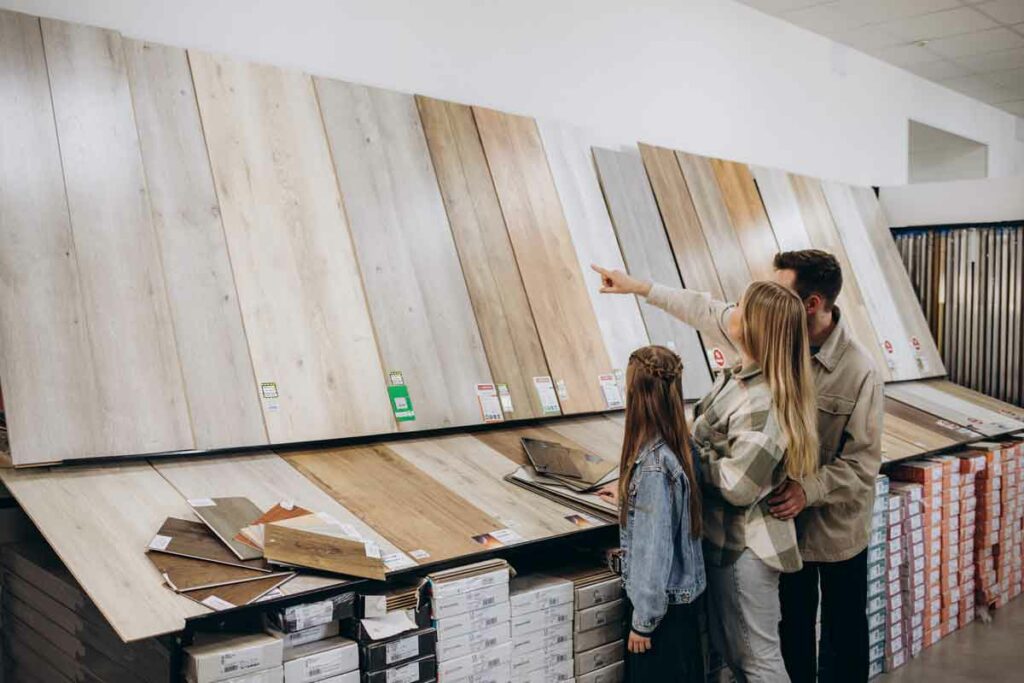
Luxury vinyl flooring is a popular solution for homes. It can be in the form of planks or tiles made of several PVC layers firmly compressed into a dense core and heated to stiff. There are also added compounds that enhance the sturdiness of LVT and an upper wrap coating that can be customised to any design.
Despite so many layers, LVT flooring is thin and easy to handle. A final layer comes in many different styles resembling wood, stone, and ceramic. That makes vinyl a decorative and affordable alternative to more expensive flooring materials.
Your bedroom should be a quiet, cosy place. As that’s where you relax, rest, and prepare for the day, making it a pleasant environment is a priority, and suitable flooring contributes to that.
More and more homeowners opt for luxury vinyl tiles or planks for their bedrooms and nurseries because this flooring provides a host of benefits at a very affordable price. Whether you're a homeowner, a landlord, or a property investor, investing in LVT flooring will improve and add value to any room.
Modern LVT floors have improved design and features, making them the perfect choice for bedrooms. Manufacturers made this flooring durable, quiet, and easy to lay and clean, giving it excellent value for your money. Here are other reasons:
Due to its ability to conduct heat, LVT flooring is an excellent choice for underfloor heating in your bedroom, but ensure it’s no more than 27 degrees Celsius. These tiles are made sturdy but thin enough (only 2 to 5mm) to emit heat evenly.
Luxury vinyl tiles come in different dimensions so you can lay them in any sized room. This material is easy to cut and shape; it can fit any room corner where other floors like laminate or ceramic have no chance.
There are several LVT flooring types depending on the fitting, such as:
Here’s a variety of designs of LVT floors you can choose for your bedroom:
Depending on your bedroom interior and style, you can opt for different LVT patterns like:
If you strive for a minimalist, contemporary look in your small bedroom, you can lay simple, hardwood-look-a-like vinyl tiles in a light brown or greyish shade. Darker shades will go well with brighter walls in larger bedrooms.
But if you like to experiment with room designs or plan flooring for kids’ rooms, you can mix two colours of vinyl planks in the same texture. You can make a mosaic, for instance, or a path, which your kids enjoy playing on.
These are the benefits of luxury vinyl flooring:
Before installing LVT flooring, it’s good to know some of its downsides:
Modern LVT flooring features a sturdy layer which makes it long-lasting and scratch-resistant. With proper maintenance, its expected life span is up to 30 years. But it’s not indestructible, as heavy use and negligence can lead to tile denting, fading, and superficial damage.
Laying vinyl tiles isn’t much of a job, as you don’t need any particular knowledge and tools. But you need essentials like a tape measure, a pen, a Stanley knife, spacers, and a spirit level. You can do LVT laying by following these simple steps:
You can instal luxury vinyl tiles over any existing flooring in your bedroom; just make sure it’s as even as possible and without trapped moisture.
There’s no need to remove all your furniture from your bedroom when installing vinyl planks or tiles; you can move it from one place to another as you finish with floor laying.
The great thing about luxury vinyl flooring is its ease of maintenance. You can sweep and vacuum it daily and use a mop to remove spills and loose debris as needed. As for cleaning, you can wash this flooring once a week to remove stains.
Good floor maintenance includes prevention, so you should use carpets and rugs over your LVT flooring to prevent scratches. It’s also good to wear soft-padded shoes and put some felt on furniture legs. If you have to move the furniture, always lift it instead of dragging it.
Use warm water and mild detergent or LVT-friendly chemicals for more stubborn stains, and wipe the floor with a mop or soft brush. Wipe it again with a cloth and clean water, and dry it thoroughly before stepping on it.
Since LVT flooring is made of multiple layers, it’s almost 100% waterproof. It can hold superficial spills, but removing them as soon as possible is desirable.
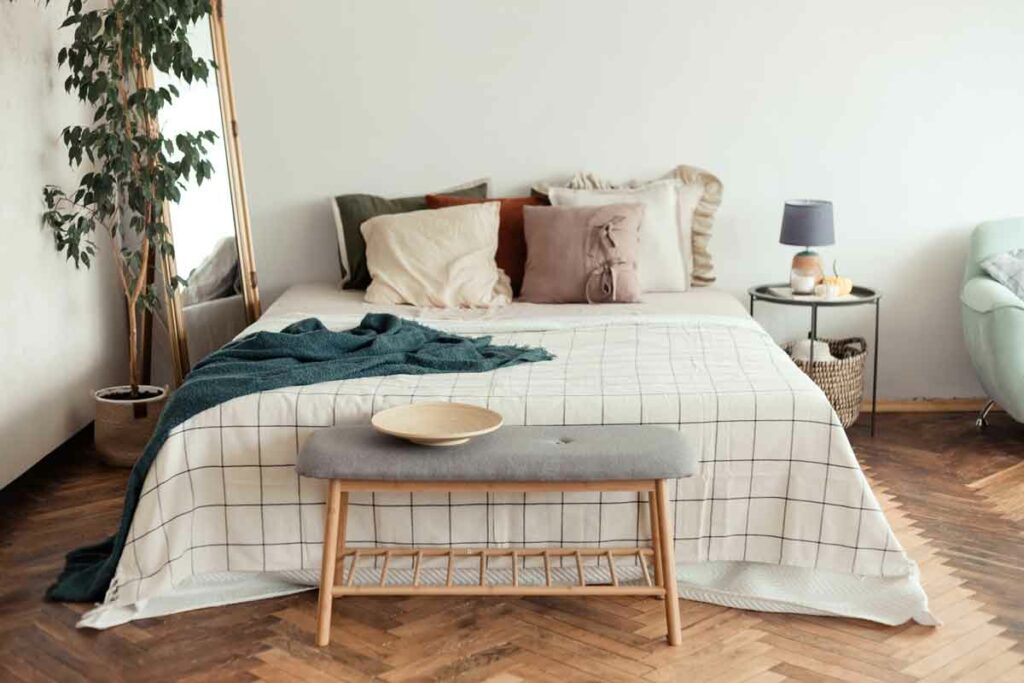
Once you decide on installing LVT flooring in your bedroom, you can shop around for different tile models of many renowned brands in the UK:
Adding an underlayer isn’t obligatory for glue LVT, as most luxury vinyl tiles have built-in underlayers. But it’s desirable to lay it under click LVT or when you need extra sound and motion insulation for bedrooms in apartments or multi-storey houses.
Vinyl tiles look great but aren’t as durable as some other flooring materials. And they contain PVC and materials that can be harmful to the environment. So if you’re concerned about laying LVT flooring in your bedroom, check out these alternative flooring options:
Costs of laying LVT flooring in your bedroom can vary depending on the tile quality and thickness, but also the fitting, room size, subfloor preparation, and even your home location.
An average price for glue-down LVT ranges from £15 to £30, while click LVT goes from £30 to £70 per square metre for tiles only. When you add the costs of subfloor preparation and installation, you can expect to pay anywhere from £45 to £80 per square metre.
Both LVT and LVP are types of luxury vinyl flooring. Both are good solutions for bedrooms as they carry all the benefits of vinyl as a durable, easy-to-maintain, and affordable flooring solution. They have similarities but also differences that make them suitable for different purposes, such as:
Maintenance: Both forms of vinyl flooring have the same maintenance needs, although LVP might be a bit less demanding due to fewer laps and gaps.
Laying LVT flooring in your bedroom is a project that requires some money, so you should think carefully before diving into it. It’s good to have a couple of things in mind before, as removing vinyl isn’t as easy as installing it. Here are the main considerations:
When laid correctly on a flat surface, LVT flooring is quiet and soft, so there are no odd sounds when walking over it. But LVT isn’t soundproof; to achieve that, you can put it over an acoustic underlay.
If you instal LVT flooring in your bedroom correctly, it shouldn’t shift or move. But over time, these tiles can become slippery due to cleaning and heavy traffic. You can fix that with an anti-slip underlay or anti-slip coating over vinyl tiles or planks.
Quality LVT flooring is pet-friendly, as it’s resistant to scratches and marks. It can hold up your pets, but you might want to trim their nails before letting them on your LVT flooring in the bedroom.
LVT flooring in your bedroom won’t make it any warmer or colder, as it follows the room temperature. But an underlayment can make you feel warmer, as it acts as insulation. You can also put some rugs over vinyl tiles.
Vinyl can stand heavy furniture, but you should add some pads on its legs to avoid superficial damage. And there might be some troubles with bulky furniture on click LVT, as the weight can damage the lock system.
A new floor in your bedroom doesn’t have to be a demanding and costly project. LVT flooring can be one of the options to refresh your rooms and enjoy a quiet and cosy environment.
So go on your quest for the best solution for your bedroom. But remember, whatever design and style you opt for, always buy quality LVT flooring for your bedroom and instal it properly, alone or call experts.
Living rooms are cosy spaces where you can relax and entertain guests. Their flooring must be durable, visually appealing, and easy to clean. If you’re looking for a flooring option that can withstand the test of time, you should consider luxury vinyl tile flooring.
LVT consists of two or more layers of hardened plastic coated with a protective wear layer. It combines affordability with the visual appeal of higher-end materials, making it an excellent choice if you’re looking for versatility and cost-effectiveness.
Our article will walk you through all the benefits and must-knows of LVT flooring for living rooms and show how it compares to other options. So, read on!

Several reasons make LVT a fantastic option for your living room flooring. Let’s break them down for you.
LVT is made mainly of PVC (polyvinyl chloride), a waterproof and durable synthetic material. The PVC is mixed with other compounds to create the desired LVT effects, qualities, and looks. Some LVT products can include additional layers for extra strength and protection
This makes LVT resistant to stains, scratches, spillage, and moisture. Additionally, its wear layer can withstand high foot traffic. For busy spaces, such as living rooms, this ensures your floor maintains its longevity and visual appeal.
An exciting aspect of LVT flooring options is their versatility. First, LVT flooring comes in many styles and patterns. It’s available in plank and tile, and some flooring options can mimic the look and feel of higher-end materials like wood and stone.
However, mind that lower-end LVT may still keep its synthetic texture.
LVT is a low-maintenance material. This has many benefits. Most importantly, the flooring is easy to clean and maintain. You can effortlessly wipe spills off using just a damp cloth. You can vacuum and sweep it to clean off dust and dirt, too.
And since LVT is waterproof, maintaining its overall cleanliness and sanitation is as easy as washing it with mild detergents. Water can’t easily penetrate its subsurface, either. So, unlike other flooring options like laminate, LVT isn’t as susceptible to swelling and buckling.
Before explaining how to choose your LVT flooring, let’s break down its advantages and disadvantages.
You should consider a few factors before choosing an LVT flooring option for your living room. Here are some of them:
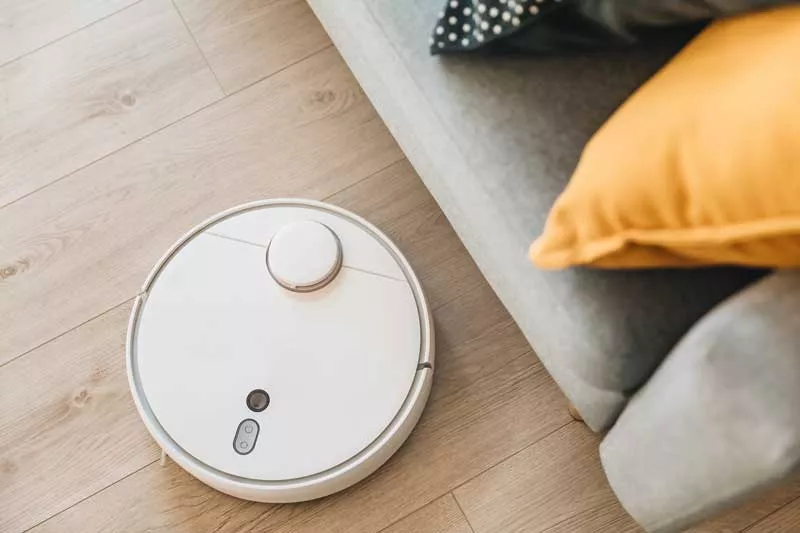
If you have experience in remodelling and are confident you can pull the flooring task off, there are a few steps you should follow. Note that these are general, not exhaustive.
To instal an LVT floor, you need several potentially expensive tools: a vacuum to rid the subfloor of debris and dust; a door jam saw to cut the door casings and make room for the LVT; and a belt sander to smooth out your subfloor if it has gaps, bumps, or unevenness.
If your previous flooring included nails or screws, a drill will help you effortlessly remove them.
Before installing luxury vinyl tiles, you’ll need a vinyl tile or laminate cutter to cut them to size and shape. During installation, a floor roller can help you press the LVT down. You’ll also need a rubber mallet to tap them together and close any gaps between them.
Finally, a laminate installation kit can help make the installation process easier. It includes DIY tools for smaller projects.
Note that you must ensure your subfloor is completely clean before installing your LVT floor. Use a vacuum cleaner to remove dust and debris, pull out nails and screws, and sand any impurities or bumps.
There are three steps to installing an LVT floor.
First, measure your living room’s size to determine how many tiles or planks are needed. Leaving the LVT flooring to acclimatise to the room temperature and humidity for at least 48 hours is necessary—it allows it to stabilise in size.
LVT is easy to cut. A vinyl tile or laminate cutter can do the job.
You’ll need to make angled or curved cuts to fit around door jambs and awkward corners in your living room. A compass, a utility knife, and a heat gun can help with that.
Second, you’ll need to lay your first row. Mark your starting point, leave a gap to accommodate LVT expansion (usually 6.35 millimetres), and draw a straight line parallel to the room’s longest wall. You can also use spacers to maintain this gap along the walls.
After that, place the first plank or tile on the line facing the wall. Tap it firmly into place using a rubber mallet. You can continue installing the remaining planks or tiles in the first row.
Finally, you’ll need to secure the LVT. This step depends on the LVT type you’re using.
Some are self-adhesive. They have a peel-and-stick backing you can remove and press on the subfloor. Others are glue-down, which means they require an adhesive before installing them. Finally, some are floating. They interlock together using a tongue-and-groove mechanism, and their weight holds them in place.
We recommend you use a floor roller to help press the LVT firmly into the subfloor. This will ensure a smooth and even surface and a secure installation.
We always recommend homeowners leave all their remodelling tasks to professional contractors for many reasons. However, this doesn’t mean you shouldn’t tackle your flooring project if you have remodelling experience or are a DIY enthusiast.
Let’s see the pros and cons of both options.
Professional Installation Pros:
Professional Installation Cons:
DIY Installation Pros:
DIY Installation Cons:
So, if you ask us, gauge your skills. If you’re capable and have the experience, remodelling your floor yourself can save you money. If you don’t, it’s best to leave it to a professional.
Caring for your LVT floor will help it maintain its visual appeal and ensure its longevity.
Caring for your LVT floor daily isn’t an issue. Sweeping and vacuuming regularly can help you get rid of dirt, grit, and grime. Their buildup can impact the overall look of your living room or scratch your floor.
Note that LVT can withstand water and moisture, so clean it with a mild detergent when necessary. This will sanitise and help it maintain its glossy look.
Spills are frequent in living rooms, and some stains are harder to get rid of than others. You can wipe dirt, dust, water, and spills using a damp cloth or warm water and mild detergent. But tough stains, such as paint and scuff marks, need a solvent to dissolve them.
Isopropyl alcohol can do the job. Bleach and hydrogen peroxide can dissolve most protein-rich food stains.
Note that safety is a priority when handling strong solvents. Wear gloves and eye protection and always test them on an inconspicuous corner of the living room to ensure they don’t damage the floor.
There are several things you can do to ensure your living room floor lasts for as long as possible.
Using furniture pads or protectors is an excellent way to prevent scratches. It’s best to avoid dragging heavy objects or dropping heavy materials on your LVT floor. Also, sweep often to get rid of grit, especially broken glass.
Applying coats of floor-restoring polish can help you maintain your floor’s glossy look. Buy a finish or polish and clean your floor thoroughly before applying it, following your manufacturer’s guidelines.
There are several differences between LVT and other flooring options.
LVT and laminate are both synthetic products made of several layers of materials. However, laminate is usually installed as a floating floor, while LVT offers more installation choices.
LVT is more moisture-resistant and waterproof than laminate flooring. It’s a viable flooring option for wet spaces. Laminate isn’t waterproof—excessive moisture can buckle or warp it.
Again, LVT is more scratch-resistant than laminate thanks to its urethane wear layer. Meanwhile, laminate comes in more colours, patterns, and textures, offering more design options than LVT. Still, the former can mimic natural materials like wood and stone well.
Laminate is cheaper than LVT flooring, both materials- and installation-wise. However, this depends on the product’s quality.
Hardwood is much more expensive than LVT. Wood adds warmth to your living room but is costly and requires frequent refinishing. In contrast, LVT is low-maintenance.
Hardwood, if not engineered, is more susceptible to stains and moisture. However, both materials are resistant to many other types of damage.
LVT is the better choice, design-wise. Only a few wood types are used in flooring, usually oak and maple, while LVT comes in many styles and patterns.
Both LVT and ceramic tiles offer many design options. They come in several styles and patterns and are low-maintenance, only requiring sweeping and washing.
However, ceramic tiles can be cold and hard underfoot. They’re also waterproof and resistant to most types of damage, but they’re susceptible to impacts. So while dropping a heavy object may only dent your LVT, it’ll shatter your ceramic tiles.
Ceramic tiles are also more expensive than LVT. Their installation is more complex and costs more than their LVT counterpart.
LVT is a synthetic flooring material that consists of several layers. They are wear, print, fill, and backing layers. Some LVT can feature extra layers for added durability.
Yes. Its visual appeal and resistance make it a good flooring solution for living rooms.
Yes. LVT is more resistant to scratches and is waterproof.
LVT comes in a wide range of qualities, so its performance will depend on your manufacturer. However, one of the major drawbacks is that it’s difficult to repair once it’s damaged or worn down. Low-end LVT will also feel synthetic and won’t last as long.
Mop and vacuum it regularly, wash it with warm water and a mild detergent, and use isopropyl alcohol or hydrogen peroxide to get rid of stubborn stains.
It’s up to personal taste. Glue-down is the most stable but the hardest to remove. Self-adhesive is easy to instal but isn’t as durable or water-resistant. Loose lay is easy to instal too, but it isn’t suitable for high-traffic areas.
When installed properly, yes.
When regularly maintained and cleaned, yes.
Some types of LVT come with built-in underlayment, so you don’t need to instal anything. However, other types don’t, so you’ll need to instal an underlayment below it. It’s necessary for sound isolation, moisture protection, and comfort.
Consider LVT if you’re looking for a beautiful, cost-effective, and low-maintenance flooring option.
Not only is it resistant to a wide range of damages that common flooring materials are susceptible to, but it can also mimic the look of expensive materials. In addition, you’ll certainly discover a style that matches your design aesthetic since it comes in many qualities and finishes.
So, what are you waiting for? Get in touch with us to give your living room the treatment it deserves.
Your time in the bathroom should be all about comfort, cosiness, and peacefulness, which is why you’re probably looking for a guide to LVT flooring in your bathroom.
When it comes to LVT, you want to be selective about its construction (even down to the tiling type). After all, it impacts bathroom aesthetics and practicality. In this article, we’ll give you a rundown of LVT and help you decide if it’s the right choice.

Called PVC flooring and vinyl flooring, LVT flooring stands for luxury vinyl tile flooring. It’s designed to emulate the appearance of wood and stone flooring so that you can enjoy their look without their impracticalities.
When it comes to bathrooms, LVT is a great option because of its high water and humidity resistance. The majority of LVT flooring is 100% waterproof. Also, it features a protective layer for high durability.
There are several LVT flooring options for bathrooms, mainly luxury vinyl tile (LVT) and luxury vinyl plank (LVP), but which do you pick?
Both tiles and planks have the same materials, durability, and functionality, so let’s look at the differences between the two in terms of personal style and diversity.
The main factor here is personal taste. On the one hand, LVP has the rectangular shape of regular wood planks. You should opt for it if you want the look of real wood, as it features scraping and embossing. Unlike the real deal, it’s waterproof, law-maintenance, scratch-resistant, and comfortable underfoot.
Even better, opt for engineered vinyl planks (EVP), a subset of LVP if you want the most realistic imitation of hardwood floors.
On the other hand, the second type is tile-shaped. It’s great for achieving a natural stone or concrete look without having to seal these tiles like actual marble. Their smooth, polished looks are super realistic.
As for diversity, LVT offers more diverse options than LVP. You can pick slate, travertine, marble, limestone, quartz, and other patterns in a wide array of colours and with different artwork. However, LVP only features hardwood designs.
Let’s talk aesthetics. You can style LVT in bathrooms as such:
You’ll find ceramic and stone effect LVT in white, black, grey, beige, brown, dark brown, red, and more.
Do you want to get the classic look of stone or ceramic flooring using stone effect vinyl? You can stack slate and black marble tiling for a dark and broody look or light grey tiles for a bright bathroom space.
If you go for encaustic luxury vinyl tiles, they’ll add an ornamental touch or splash of colour to your bathroom. We love pairing them with a white bathroom for a striking effect! You can also invoke an inviting or natural feel by choosing earthy tones for the vinyl floor in bathroom spaces.
The possibilities are endless, and they’ll all get you the design you want without the coldness, discomfort, and high prices of actual stone!
Bathrooms are high-humidity areas. This is why having vinyl plank flooring is an excellent way to achieve that warm, inviting, rustic, and timeless look of wooden boards. Unlike regular wood, it doesn’t involve warping, staining, or high prices.
You can opt for dark wood if you’re designing a rustic or contemporary bathroom. As for traditional oak planks and light wood effect LVT, they give off an air of refinement and brighten up small bathrooms.
Parquet is an umbrella term describing various patterns of floors featuring diagonal patterns. It’s a great way to get a stunning design and antique effect that’ll stand the test of time.
Herringbone is a type of parquet floor that has a staggered, zig-zag plank design. To install it, the end of each plank has to meet the side of the next, creating a right angle.
Another type of parquet flooring is chevron. Having a zig-zag design, chevron patterns feature a unique V shape at the point where planks meet, which creates a straight rather than staggered effect.
Regardless of the parquet pattern, this flooring choice gives your bathroom a classic touch. You can find it in oak and dark colours. And you can use light colours like white or grey to give the illusion of space or dark tones to make a bold statement!

Practicality is primal when choosing your bathroom flooring, which is why you need to consider the following factors:
The main factor needed in bathroom flooring is water resistance. It should be able to withstand a few splashes by the sink or the bath, which are inevitable. If it isn’t 100% waterproof, moisture and water will cause damage. You’ll notice your floor staining or warping.
For that reason, you must avoid hardwood flooring and, instead, consider waterproof vinyl bathroom flooring.
We all know the pain and danger of slipping on the soapy bathroom floor. For that reason, slip-proof LVT in bathroom areas is preferable. It allows you and your family to get in and out of the shower or bath with steady feet.
Also, slip resistance is needed in public areas, such as retail, healthcare, office, leisure, and education sectors. It minimises the risk of spillage and temporary surface water.
Some flooring types suffer expansion and shrinkage due to moisture level alterations. For instance, wood tends to shrink starting at 25% or 30% moisture content until it reaches 0%, creating gaps between planks.
As the moisture level increases again from 0% to 25% or 30%, it expands or swells. This phenomenon is common in wood when seasons change. Still, choosing a type of flooring that ensures minimal shrinkage and expansion is important, especially in a high-humidity area like your bathroom.
Your future self will thank you if you pick a low-maintenance flooring type. It should be easy to clean with a single swipe, leaving no stubborn stains.
Luckily, LVT flooring for bathrooms is easy to maintain with the two-bucket cleaning system. Frequent sweeping to remove dust and dander, occasional mopping to remove scuffs and grime, and deep cleaning only if required is enough to keep it fresh. In comparison, stone flooring requires a lot of upkeep, and wood flooring develops stains.
This question is crucial when you think about buying luxury vinyl planks or luxury vinyl flooring for bathrooms (due to their excess water). In bedrooms, living rooms, and so on, nothing happens when your LVT or LVP gets wet.
But in bathrooms, the excess water can cause damage if you don’t follow the required protective measures during installations. In this process, the seams and perimeter of the floor should be sealed entirely so that moisture doesn’t seep into the subfloor under your vinyl flooring.
For example, if you install bathroom LVT flooring over concrete and don’t conduct adequate moisture control and testing measures, moisture can get under your LVT or LVP or get emitted from the slab. Accordingly, it may react with the concrete chemicals, creating high levels of alkali and damaging your vinyl.
Ultimately, we recommend installing bathroom LVT or LVP in your bathroom because it’s 100% waterproof. It allows you to enjoy a realistic wood, stone, or parquet effect without the drawbacks of their respective flooring options.
Bathroom luxury vinyl flooring is reasonably priced, easy to clean, water resistant, slip resistant, diverse in its usage and options, and comfortable underfoot. It can help make your bathroom a cosy space for you, so start shopping for your LVT flooring bathroom!
Kitchens are highly-practical spaces subject to rough conditions, including moisture from steam and spills, temperature variations, and high foot traffic. If you’re doing your kitchen floor, you should choose a flooring option that can handle moisture and is easy to clean and maintain, like LVT kitchen flooring.
It’s a solid solution if you’re struggling to decide on the best flooring option for your kitchen. Continue reading to learn everything you need to know about it and other flooring materials!

There are some general guidelines you should consider to keep your kitchen safe, and among them is flooring. Although your choice will differ depending on your budget, taste, and household needs, flooring materials must be:
Countless materials meet these criteria and are commonly used as kitchen flooring, including vinyl roll, ceramic tiles, luxury vinyl tile (LVT), and natural stone. However, LVT is a popular choice among homeowners for a few reasons.
LVT flooring is affordable, easy to maintain, aesthetically diverse, and more durable than vinyl rolls. They’re also easy to clean, moisture-resistant, and comfortable to walk on. And, with enough experience, you can install them yourself.
They come in various styles, including plank and tile, so you’re bound to find something that meets your preferences. However, it’s best to get high-quality vinyl to ensure the best resistance to foot traffic, stains, and moisture.
It’s critical to ensure the safety of your kitchen if it isn’t just a place for cooking and cleaning but also serves as a space for gathering, dining, and relaxing with your friends and family.
Kitchen floorings have varying qualities, but it’s best to invest in something that’ll prevent potential accidents. Look for the following:
LVT floors have vinyl finishes that make them comfortable to walk on and a safe solution to your kitchen flooring. Since they’re water and slip-resistant, they can withstand any spillage and ensure you have a secure footing while walking around. They’re also easy to clean and maintain, so hygiene shouldn’t be a concern.
If you opt for ceramic or porcelain tiles or natural stone, keep in mind that they become very slippery when wet, and it’s best to hire a professional to install them. And while they’re easy to clean and resistant to your kitchen’s rough conditions, they may have some disadvantages.
Grime and dust can build up between splits and uneven surfaces of tiles, and natural stone can be uncomfortable to stand on barefoot for extended periods due to its hardness. It can also absorb liquids and crack over time if not properly sealed.
There are also a few other notable materials, including engineered wood, polished concrete, and cork. They all are suitable flooring materials but also come with advantages and disadvantages. So, assess your situation to determine what’s best for you.
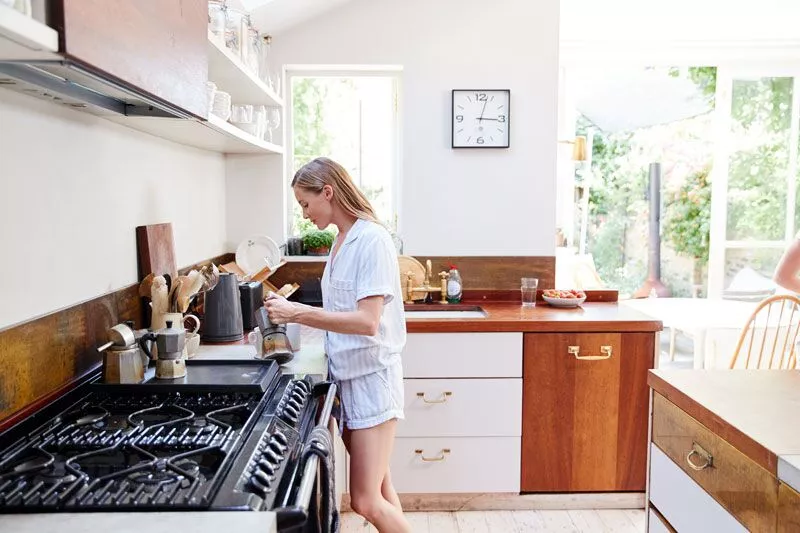
Continue reading if LVT is your kitchen floor material of choice and you need some inspiration to turn your kitchen into the envy of your guests. Whether you’re a modern minimalist or a lover of pretty patterns, we’ve got you covered!
Harvey Maria is a luxury flooring brand known for elegant and durable kitchen flooring options. It offers luxurious vinyl tile and rubber flooring for homeowners seeking to create a stylish yet hard-wearing environment safe for cooking, cleaning, and relaxing with family and friends.
The vinyl tiles are engineered to be slip-resistant, easy to clean, and family-safe. They also come in various colours and designs and can even mimic the look of natural materials like wood and stone to ensure you’re aesthetically pleased.
Opting for a bold monochrome design will help you achieve a stylish yet minimalistic design for your kitchen. It combines white and black vinyl tiles in a sophisticated and elegant manner that showcases your attention-grabbing taste and makes your kitchen look more spacious.
Here are some designs you can play around with if you’re looking to make a lasting impression on your guests:
There are countless pretty patterns to choose from to floor your kitchen. LVT come in many shapes and designs to suit your taste, so you can mimic the look of high-end materials, such as stone and wood, while ensuring your floor is family-safe and easy to maintain.
You can experiment with a basketweave pattern using rustic, earthy colours for a farmhouse-style kitchen. Or you can opt for a neutral-tone lattice pattern to give your kitchen a touch of elegance and sophistication. Your options are unlimited!
You can never go wrong with a classic checkerboard design. It’s a simple yet timeless design in which you alternate black and white tiles to achieve a chessboard-like look. You can use it in any kitchen since its versatility can complement any colour and design scheme you follow. Moreover, it adds depth to your kitchen, making it look more spacious than it is.
It’s also practical for busy spaces like kitchens. The tiles are easy to clean and maintain and can easily disguise stains and spills, making them look cleaner for longer.
There are a few materials we strongly recommend against using in your kitchen flooring, and for good reasons.
Solid wood is the first material that comes to mind. Natural wood can’t withstand the frequent temperature and moisture changes in your kitchen. Since it’s porous, it’ll absorb moisture and water and crack, lose its colour, and warp over time. Furthermore, it’s not resistant to scratches and stains.
Although many types of wood have antibacterial properties, they can lose them when worn due to their porous nature. Worn wood can trap bacteria and harmful substances and prevent you from keeping your kitchen clean and safe. It’s also expensive to repair or replace.
As such, if you want to go for a wooden kitchen floor, opt for engineered wood.
Laminate is another flooring option we recommend against using in your kitchen. While it’s a cost-effective option for other parts of the house, it’s less durable and resistant than other materials, making it an unpractical choice for kitchens.
Laminate is a synthetic material made of several layers. If water seeps through its seams, those layers can easily separate, warp, or buckle over time. Additionally, it can’t withstand high foot traffic and may dent if you drop something heavy on it.
Finally, while carpet can be a comfortable choice for flooring in other rooms, it’s generally not practical for kitchens. It’s not designed to withstand the wear and tear of busy spaces and can become stained or damaged by moisture and spillage. It’s also challenging to clean and maintain and can trap bacteria, which can pose a health risk over time.
When choosing a kitchen flooring material, it’s best to opt for a material that can withstand temperature, moisture changes, and high traffic, like LVT floors.
LVT floors come in various patterns and colours to satisfy every taste, and they’ll last for a long time without showing signs of wear.
If you decide to install them, get in touch with us now!
Are you installing new floors and want to know all about LVT flooring pros and cons?
LVT floors are an ongoing trend in the renovation industry, considering their affordability and durability compared to natural floors. But like any other type of floor, they come with drawbacks that you should consider before installing.
Luckily, that’s what we’re about to discuss in this article, so keep reading!
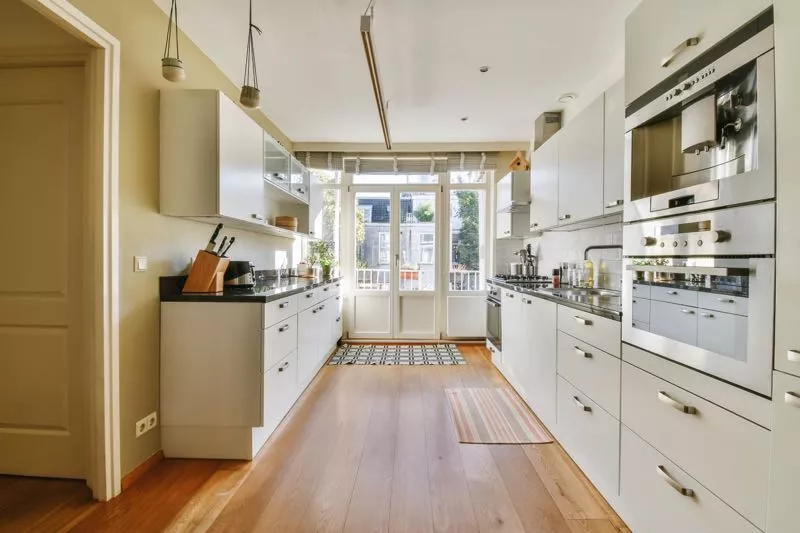
LVT floors are manufactured with the sole purpose of mimicking natural-material floors with more affordability and durability. They’re made from multiple layers, a stabilising underlayment, a core layer, a decorative layer, and a protective film. The layers may vary from one manufacturer to another, but the general idea remains the same.
LVT floors come in many colours and patterns, but most of them look like natural wood, stone, and marble. They’re mostly resistant to scratches and wear signs, and some types are waterproof.
Before installing LVT floors around your house, you should know what cons you’ll have to deal with and what pros you’ll enjoy. Here’s our roundup of the advantages and disadvantages of LVT floors.
Let’s begin with the bright side of installing LVT floors!
The multi-layer nature of LVT floors renders them highly durable, especially the protective film that manufacturers add. It’s often made from PVC, a synthetic type of plastic that protects against scratches and tears. This feature makes LVT floors a wise choice for high-traffic rooms and commercial places.
LVT floors are water-resistant, and some manufacturers provide completely waterproof floors, which might be the most important advantage of installing them. The resistance of these floors makes them a perfect choice for rooms susceptible to moisture issues, like basements, kitchens, and bathrooms.
Another prevalent issue that accompanies moisture is the growth of bacteria and mould. Luckily, the upper layer of LVT floors is often made using antibacterial materials that prevent their growth.
Natural floors are high-maintenance, so you shouldn’t put them in high-traffic rooms, clean them with water often, or place your furniture on top without adding furniture pads. Luxury vinyl floors, on the other hand, are easier to maintain since they’re more durable.
All you have to do is put on a rug or mat for extra protection, and you’re good to go. Even if you have kids and pets running around, LVT floors aren’t easy to wear.
Although we always recommend getting professional help installing floors, you can lay your luxury vinyl tiles without help if you have DIY experience. They’re easy to cut and have three installation methods that are all doable at home.
Some tiles come with a layer of glue that you can peel and stick to the subfloor right away, and they’re called glue-down floors. The other two methods are the locking system and loose lay, and they don’t always require adhesive.
Locking system floors come with interlocking shapes that make them easy to lock together. Meanwhile, loose-lay floors are manufactured with a grip backing on their undersides, making them easy to lay on the subfloor. They’re the easiest to install out of the three.
LVT floors are more affordable than natural-material floors—that’s one of the reasons they’re famous. But their prices don’t mean they’re low quality or will show signs of wear and tear a few months after installation. On the contrary, LVT floors provide superb value for money because they last an average of 10-20 years if maintained properly.
LVT floors are insanely easy to clean and maintain. All you need is a damp mop—not dripping—to wipe the dust off them. Even better, these floors don’t attract dust as easily as natural floors, so you’re good to go with a weekly cleaning session. You don’t have to get out your mop and bucket every other day.
You can also use your vacuum if you don’t want to bother with moisture and slippery floors till they dry.
One of the most significant contributors to the fame of LVT floors is their price. The average cost to install vinyl tiles in the United Kingdom is £20-30 per square metre. Meanwhile, wooden floors have a higher average that starts at £35 till £50. So, they’re a better option for people on a budget.
LVT floors come in all shapes and patterns. Do you want to go modern and install stone or marble-like vinyl tiles? Check. Perhaps you want a touch of classic extravagance in your house and are looking for wooden designs. Also check!
No matter what colour or design you’re looking for, you’ll find vinyl tiles that match the interior decor in your place.
LVT floors absorb shocks and have a soft underfoot feel. While they aren’t as soft as carpets, they’re softer than hardwood floors, which makes them more comfortable for your feet and knees.
If you plan on selling your house in the near future, you’ll be glad to know that luxury vinyl tiles can add to the resale value of your home, especially if they’re new.
Now, let’s get into the reasons why you should think twice before installing LVT floors.
Once installed, LVT floors are challenging to remove, so if you’re prone to changing your opinion after installing them, they might not be the best option. In most cases, you won’t be able to remove them by yourself and will have to call in professional help.
While the softness of LVT floors makes them feel comfier under your feet, it also makes them more prone to wear signs due to traffic or high heels. And if you place sharp objects on top of them, they might leave tiny holes or dents.
Similar to the point above, LVT floors are easily dented by heavy furniture because of their softness. So when choosing the room where you’ll install them, make sure to get reasonably sized furniture.
If you plan to install LVT floors on your patio or near a large window, you should know they’re susceptible to sunlight damage. The protective layer, while it keeps some damage at bay, isn’t entirely proof against UV rays. So over time, you may notice some fading or discoloured spots on your floors.
There’s an easy fix to this issue, though. Only install LVT floors in rooms that don’t get too much sunlight during the day.
Despite the easy methods of installing LVT floors, it doesn’t come without a price. Glue-down floors often leave behind a synthetic odour that doesn’t fade right away. Instead, you’ll have to live with it for a few days.
Compared to natural materials, LVT floors are much more challenging to repair, if even possible. Scratches and wear signs can be concealed to make them less visible, but they never go away entirely.
More than that, if an accident occurs and a large area of your floor is damaged, including the design layer, it’s often impossible to fix. Instead, you’ll have to remove them and install new floors.
While LVT floors can boost the resale value of your house, it isn’t comparable with natural floors’ resale value, specifically hardwood. If you want to sell your house in the long run, you’re better off installing natural floors because their value doesn’t go down too badly over time.
LVT floors can emit Volatile Organic Compounds (VOCs), which are chemicals that are used in manufacturing paint, floors, foam, cosmetics, cleaning products, and more. While the emissions aren’t normally hazardous because they’re trace amounts, they can affect people with allergies and those who are oversensitive to chemical smells.
If your kids are allergic or have asthma, you might want to think twice before installing luxury vinyl floors.
Now that you know what pros and cons LVT floors will bring to your table, you can take an educated decision on whether to install them. However, in our opinion, the pros outweigh the cons by a mile.
If you decide to install LVT floors, get in touch with us today!
Many luxury vinyl tile (LVT) flooring brands have been popular among those in the renovation business. They are durable, stylish, practical, and resistant to water damage.
Among these LVT flooring brands, which reigns supreme, and which ones work best for your home? If you’re interested to find out the answers to these questions, read on!

At first glance, LVT flooring looks like natural wood, stone, or marble. That’s part of their appeal, as they resemble expensive materials but come at a much more affordable price. In reality, it is made of various synthetic layers that are specifically made to mimic natural materials.
Many people choose LVT flooring over natural materials because, aside from its more affordable price, it is more practical for crowded rooms and areas susceptible to moisture. For instance, they’re ideal for bathrooms, kitchens, and basements. They’re also good for households where kids and pets are constantly running around.
They also come in a variety of patterns and colours, giving more homeowners design options for their home.
There are two types of LVT floors: tiles and planks. The most noticeable difference between them is that the former is manufactured to resemble tiles, while the latter consists of large planks. Other than that, they’re both resistant to water, durable, and thin. They’re also suitable for installing underfloor heating.
Luxury vinyl plank (LVP) flooring is typically made from multiple flexible layers, including a surface wear layer for protective purposes, a patterned layer that shows a specific design, and a core layer for structure.
While these three layers are the standard, some companies add a fourth layer for extra protection.
Vinyl planks can be installed by clicking them together or glueing them onto the subfloor. Either way, they’re the easiest and quickest type to install because they’re larger than tiles. Although they come in many patterns and colours, they mostly resemble real wood, not stone, because of their plank structure.
Now that you know the difference between luxury vinyl tiles and planks, it’s time to discuss how you can choose the best one for your home. There are a few factors that you should keep in mind while shopping, and we’ve compiled the most important ones in the list below.
One of the most important indicators of a vinyl floor’s quality is the thickness of its wear layer. The entire floor doesn’t necessarily have to be thick, as one of the pros with LVT and LVP floors is they are known for their flexibility.. However, the topmost layer should be thick enough to protect the tiles or planks from scratches and tears.
The rule is as follows: the more thickness the surface layer packs, the longer the floor will look unblemished. So before making your purchase, you should ask the manufacturer about this point.
While the main goal behind buying luxury vinyl tiles is to have practical and durable floors, appearances still matter. You want your floors to look elegant and match the rest of your interiors.That’s why you should check the design and quality of the patterned layer before making your purchase.
Every LVT floor has a design layer that shows a specific pattern or drawing: geometric, a resemblance to natural materials, etc,. Its quality can make or break your house’s final look.
An embossed LVT floor has a specific texture printed on it:wood, stone, or other natural materials. When buying new floors for your house, you should check the embossing quality first and see whether it’s registered or blind.
Registered embossing is usually based on a specific image or pattern, while blind embossing does not use a reference image. The former results in more prominent textures and is preferred by many because of its beautiful designs, but they’re both common in the LVT manufacturing industry.
Some LVT floors come with warranties that guarantee you free fixes in case of faulty products. However, such warranties often have difficult conditions to meet, like installing and maintaining them in a specific way.
Before buying your floors, check to see if they have warranties. If they do, ask about their conditions and how you can use them in case of an unfortunate event.
Since LVT flooring is a durable and long-lasting product, their warranties often range from 10 to 25 years.
In the renovation industry, the reputation of companies and brands is of utmost importance. Since news travels fast, and most customers give out honest reviews, knowing whether the brand you’re purchasing from is trustworthy enough is easy.
You can ask your local hardware or flooring stores,, read online reviews, or ask whoever recommended the brand to you.

There are hundreds of flooring brands on the market that claim to be of high quality, offer diverse designs, and provide top-notch customer service, but not all of them fulfill their promises.
To make your life easier, we’ve made a list of the best luxury vinyl floor manufacturing brands on the market.
Kardean floors are ideal for both commercial and residential use. They’re high-quality, stylish, and durable. The best part? They offer chic patterns and colours to satisfy all tastes.The brand has been in the flooring business for more than 30 years.
On Karndean’s website, you can shop for five different ranges: Van Gogh, Art Select, Da Vinci, Knight Tile, and Opus. Each range targets a specific style. For instance, Opus tiles are best suited for modern tastes, while Art Select floors tilt a bit towards a classic mood.
Amtico is one of the most reputable LVT flooring brands on the market because of its products’ durability, practicality, and elegance. It offers commercial and residential collections to accommodate a variety of needs, so whether you’re renovating your house or business space, you can go for it.
The brand’s most famous collections are Spacia, Form, Decor, Signature, and Click Smart. Some of them feature both commercial and residential tiles, but in general, Amtico has more collections for commercial use.
Forbo doesn’t only offer high-quality LVT floors for customers, but it also has a wide selection of materials like homogeneous and heterogeneous vinyl, linoleum, carpet tiles, sports floors, and more.
Forbo LVT floors go under the name Allura, which is the sub-brand that exclusively offers vinyl tiles. Allura floors are easy to install, gentler on the environment, and extremely stable. They can be installed in three different ways: clicking, loose laying, and adhering.
COREtec floors are ideal for crowded houses with pets and kids because they’re durable, sturdy, and easy to clean. The brand strikes a balance between simplicity and strength, as most of its floors have minimal designs but are strong enough to last for years.
COREtec offers floors for both commercial and residential use, and the latter is backed by limited warranties. On top of that, the brand has hundreds of stylish patterns and colours of LVT and LVP floors to suit every taste.
LifeProof offers affordable LVT floors, perfect for people on a limited budget. What makes these floors special is that they have a thick wear layer to ensure resistance to scratches. They’re also waterproof, rendering them suitable for rooms susceptible to moisture.
LifeProof floors come in both tile and plank shapes, and you’ll get to choose from a myriad of designs and colours. Most of the products are modelled to look like natural materials, such as stone and wood. The brand also offers two installation methods for its floors, glueing down and nailing down.
Armstrong is a premium-quality brand that manufactures durable LVT floors to satisfy every taste. It offers floors in many elegant colours, including brown, grey, tan, red-brown, and beige. The most famous collection on the brand’s website is American Charm 6, and it works for both modern and classic houses.
Whether you want your place to look rustic, contemporary, antique, or modern, you’re guaranteed to find an Armstrong LVT floor that meets your needs.
Mannington Mills is one of the oldest flooring brands on the market, and it delivers quality products that ought to meet your high expectations. Mannington’s LVT floors come in a variety of elegant patterns and colours, and you get to choose from many installation options.
The most famous LVT collections Mannington offers are Adura Apex, Adura Rigid, Adura Max, and Adura Flex. They’re all durable, practical, and stylish.
Cali products will appeal the most to the environment-friendly folks because they’re manufactured using only renewable energy. The brand offers LVT floors that are resistant to water, easy to maintain and install, and durable.
You get to choose from six different collections: Classic, Legends, Longboards, Mute Step, Select, and Select XL. The floors come in a myriad of stylish colours like amber, brown, light brown, grey, red, and more.
While LVT floors from Shaw Industries might break your bank a bit, they’re premium quality, waterproof, and durable. You can install them with or without glue, and they come in several colours that match every interior decor.
There are five collections Shaw Industries offers for vinyl floors: Floorte, Floorte Elite, Floorte Pro, and DuraTru. Floorte Elite and Floorte Pro are on the pricey side of the market, while DuraTru is the most affordable collection.
There aren’t specific brands that you should avoid in the flooring industry, as it all boils down to what you need and how much you’re willing to pay. If you’re on a limited budget, then go for more affordable brands like LifeProof and COREtec.
Another point you should consider is whether you want LVT floors in all of your rooms or not. If you only want vinyl tiles, then you can pick specialized brands like COREtec. On the other hand, if you want different types of floors across your rooms, you should go with a brand that offers more than LVT floors, like Forbo.
Have you decided on installing LVT floors but don’t know where to shop? If you’re looking for a wide variety of patterns and styles and high-quality floors but don’t mind paying a little extra, you can go for Karndean, Amtico, or Mannington Mills.
That said, if you’re on a budget and don’t mind having fewer choices regarding colours and designs, you can opt for LifeProof or COREtec.
If your decision to install LVT floors is final, contact us now!
Luxury vinyl tiles (LVT) combine the attractive aesthetic of natural floors and the durability of artificial ones, making them one of the most sought-after floors on the market. But if you plan on installing them, you’ll need to learn more about LVT flooring styles. And that’s why we’re here!
We’ll tell you all about the different patterns and styles of LVT to make it easier for you to choose. So keep on scrolling!

LVT floors come in endless patterns and styles. So whether you want your floors to look like parquet, marble, stone, or oak, you’ll find a style that matches your interior decor. Here’s our detailed guide on the different patterns and styles of LVT flooring.
We’ll begin with the different styles you might come across while shopping for LVT floors.
Wood effect vinyl will give you the elegance of natural wood without being prone to scratches and water damage. It’s ideal for rooms where moisture is expected, like bathrooms and kitchens. The reason it’s famous among other styles is its durability, ease of maintenance, and wide variety of wood effects to choose from.
Whether you want your floor to look like ceramic or limestone, you’ll find what you’re looking for among stone effect types of vinyl. They come in numerous shapes and patterns, and they’re an ideal choice for modern-themed houses.
Stone effect vinyl is preferable to natural stone because it isn’t as cold and hard underfoot. Also, you can install it over underfloor heating, making it an excellent choice for people who live in cold regions.
If you’re aiming for an old-fashioned, sophisticated look, you should consider LVT flooring parquet style. It has elegant herringbone patterns that look like natural wood, but isn’t as expensive as genuine parquet and is much easier to maintain. And best of all, it’s much more resistant to water damage.
Parquet luxury vinyl floors come in many colours, so if you don’t want traditional brown floors, you’ll find suitable alternatives like grey, white, and red.
Karndean floors come in abstract, stone-themed, and wooden designs that work with most interiors. Their high-quality craftsmanship makes them easily confusable with natural materials. Also, since Karndean specialises in luxury vinyl floors, you’re guaranteed to find what you’re looking for, be it a unique colour or pattern.
Oak floors have a timeless charm that works with any interior decor. But, unfortunately, they’re prone to water and termite damage, are easily scratched, and aren’t affordable for everybody.
The best news is that oak-style LVT flooring has the same elegant appearance but is more affordable and easier to maintain. It also comes in many shades, colours, and patterns to fit every house.
Interior designs during the Victorian era were made distinctive by intricate mosaic patterns, out-of-this-world decorative craftsmanship, and lavish styles.
Victorian-style LVT flooring reflects all of these points with its charming designs. The tiles are suitable for both modern-themed and classical interiors and add just the right amount of elegance to any room. They’re most famous for appearing in bathrooms and kitchens because of their bright colours.
And the best part, Victorian luxury tiles are easy to clean and maintain, resistant to water, and durable.

Now that you know all about the different LVT flooring styles, it’s time to look at your options regarding the floor colour. Generally, vinyl floors come in unlimited colours. You can install white, grey, or red floors, to name a few.
That being said, each style has a limited choice of colours. For instance, wood effect vinyl naturally comes in wooden colours only, like shades of brown and grey. Meanwhile, Victorian-style floors and stone effect vinyl come in various bright colours.
In the end, the choices you get depend on the style you choose. But the most common vinyl colours are:
One last piece of advice before moving on to the next section is to always stick to light colours if you have limited space. Dark colours make large areas look smaller, especially when installed with dark walls, so they have undesirable side effects on small rooms. If you want dark floors, make sure to colour your walls a lighter shade.
Vinyl floors come in many geometric patterns that work in both modern and classic-themed houses. Let’s take a look at the most common patterns you can come across during shopping.
A grid pattern includes equally-sized bricks aligned together both vertically and horizontally. It’s an organised pattern that gives off rigour vibes and is easy on the eye, and it’s commonly known as a stack bond pattern.
Grid-patterned floors are more suitable for modern-themed rooms, kitchens, and bathrooms. They also look elegant when installed around fireplaces.
Offset patterns are universal, so you’ve probably come across them before. They’re named this way because while the first row starts with a whole brick, the one beneath it starts with half a brick, and then the third is whole bricks again. So looking at it, you’ll notice that there aren’t any whole bricks that align vertically. Offset patterns are best left for modern houses.
Stagger floors look like offset floors, but they’re often installed in two or three colours. The colours are added to columns, not rows, to emphasise the disorganised and attractive appearance of tiles. Stagger tiles are more famous in modern homes, but you can install them in classical interiors if you choose brown hues.
Diagonal patterns look like offset patterns that are bent at a 45-degree angle. They’re available in both planks and tiles and are ideal for making a room look more spacious. While diagonal floors come in many colours, they look most elegant in brown shades.
Herringbone patterns are characterised by zig-zagged and staggered bricks. They’re commonly confused with chevron patterns because, at first glance, they look the same. However, chevron patterns don’t have the same stagger as herringbone and resemble inverted Vs instead.
Herringbone patterns are associated with wooden styles, like oak and parquet. They come in many colours and are best suited for classic interior decor.
Weave-patterned floors have the same patterns as woven baskets, and they’re mostly associated with wooden tiles. Such tiles consist of rectangular shapes that have different shades of the same colour and look woven over each other. What makes them a favourite among renovators is the dimension they add to a room and their elegant, complex patterns.
While you can get weave vinyl floors no matter what your interior decor is, they work best with classic themes.
Corridor vinyl tiles are similar to grid tiles but have additional columns that intervene with the organised horizontal rows. The rectangles on corridor tiles often have the same colour. And despite their name, you can install them in any room you want.
Soldier tiles are another variation of grid tiles. But while they have rectangular shapes all over like their counterpart, the shapes are placed vertically instead of horizontally. And beneath each row of vertical shapes, a horizontal line takes place.
In addition, the vertical shapes often have a different colour from the horizontal ones to create more depth and highlight the pattern.
Soldier tiles are ideal for a modern layout and are simple to achieve. They’re commonly used on pavements, parking spaces, and walkways.
Flemish bond floors look like grid tiles, but instead of having the same shape all over the floor, they have alternating rectangles and squares. This pattern is ideal for bathrooms and kitchens because of how basic it is. Also, it looks better when the alternating shapes have different colours.
The last flooring pattern we’ll talk about consists of organised rows of rectangles. However, while the first row starts with an entire rectangle, the one beneath it begins with a quarter one. This creates an offset pattern that looks attractive on walls and floors.
The variety of LVT flooring styles, plus their durability and ease of maintenance, makes them a favourite choice for many homeowners. The endless patterns and colours are suitable for every interior decor theme out there.
For instance, if you’re going all classic for your new place, you can’t go wrong with wood or parquet vinyl. But if you appreciate modernity, you’ll love the effect stone-themed tiles have on rooms.
If you decide to install LVT floors, contact us now!
Luxury vinyl tiles (LVT) are a relatively recent type of flooring that quickly became a favourite among many homeowners, thanks to their ability to replicate classic hardwood designs in an elegant fashion with the benefits of modern technology, such as affordability and better protection.
However, like all floors, LVTs will get damaged and dirty if you don’t properly care for them, especially in high-traffic areas or if they face a lot of abuse (e.g., from kids or pets).
So if you want to keep your LVT floors looking clean and elegant, read on for our full guide on LVT flooring maintenance!
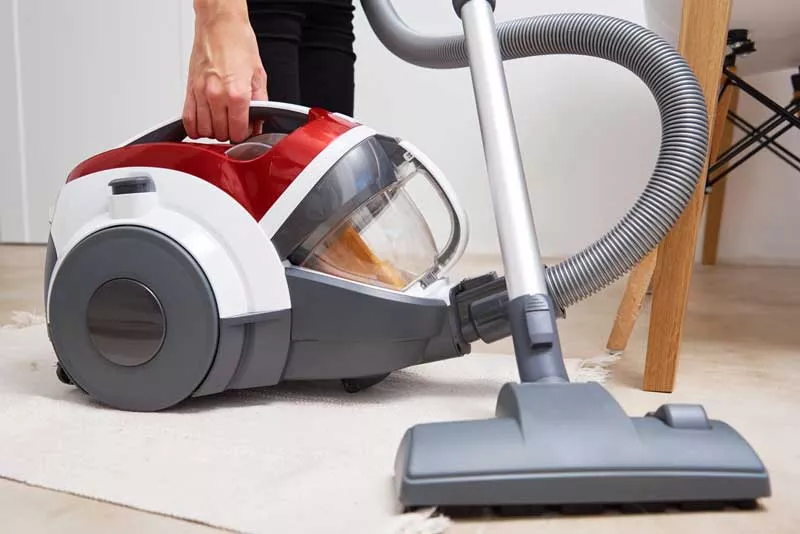
Fortunately, LVT flooring care and maintenance are easier than traditional hardwood or stone-based floors, thanks to the protective urethane layer applied on top of the tiles.
However, you shouldn’t over-rely on that urethane layer as it can only absorb so much shock before it wears out.
You should also be careful about what you use to clean your LVT floors, as using the wrong chemical can damage that protective layer or fade the print pattern on your tiles.
Don’t worry; we’ll cover all these points and more in this LVT care and maintenance guide.
In this guide, we’ll go over tips for basic cleaning, deep cleaning, day-to-day LVT maintenance, and more! Stick around till the end for more on LVT care and what to avoid!
Of course, it’s unreasonable to deep clean your LVT floors daily. So let’s start with some more basic, everyday cleaning tips.
Most simple methods you’d use to clean any type of flooring will suffice for simple LVT board cleaning. That includes brooms, vacuum cleaners, and dust mops to eliminate dirt and debris. Keeping your floors free from debris is the best way to avoid scratches as well.
Additionally, you need to tend to spillage stains as soon as possible before they settle in. You can sweep it away using a water bucket and a mop. But if you have the means, we recommend you use a neutral pH cleaning solution. You can also add a bit of baby oil to the bucket for extra gloss.
Follow a basic cleaning routine with your LVT floors to maintain their quality and shine. This doesn’t have to involve tedious cleaning. Instead, a quick sweep every day or two and an occasional mop should be enough to prevent dirt buildup on the floor.
You’ll want to clean spills or leaks immediately to prevent them from staining your floors. Again, you don’t need much effort or equipment, as a simple sweep with water should suffice, but you can add small amounts of apple cider vinegar (about a cup per gallon of water) to remove stubborn stains.
You should treat your LVT floors to a deep clean now and then, especially if they’re stained or discoloured. This can return your floors to their former glory, but you need to do it right.
The key to deep cleaning is to use a strong, neutral cleaner. You can also use hydrogen peroxide to get rid of serious stains, though it’s a bit acidic, so we only recommend it for sporadic use. You can also make your own floor cleaner at home, as we’ll show you by the end.
With one of these cleaners in a bucket, sweep the floor gently with a microfibre mop until the stains are off. Then you can rinse with another bucket of clean water, but don’t flood the floor and make sure to drive off the rinsing water afterwards completely.
Lastly, you can remove scuff marks using WD-40, rubbing alcohol, or, more organically, jojoba oil. Apply the product on the scuff marks, then wipe it gently with a damp towel or cloth.
If there’s some leftover adhesive residue on your LVT floors after installation, you should remove them before they set deeper into the boards.
If the adhesive is still wet or slimy, wipe it off with a cloth soaked in water. Aim for a microfibre cloth, as it’ll be more gentle on your tiles.
However, if the adhesive is dry, you’ll need a stronger cleaner like denatured alcohol or acetone. Don’t use boiling water, no matter how tempting it might be due to ease.
Using the wrong chemicals while cleaning LVT floors can damage the protective urethane layer on top or decolourise the print, which will botch the floor’s appearance.
Here are the chemicals to avoid adding to the floor-cleaning mixture:
Luxury vinyl tiles require a gentle approach. If you choose a harsh or abrasive material or chemical in your cleaning, you’ll leave scuff marks on your floor, and they’ll be nearly impossible to remove.
In addition to the chemicals we listed above, avoid using harsh scrubbers like abrasive sponges and steel wool.
Heat is another big no-no, as it can damage the tiles’ integrity. That means no steam mops or boiling water.

Repairing LVT floors is also much easier than traditional hardwood or stone-based floors. In the worst-case scenario, you can buy a new single tile and replace the damaged one instead of reworking your entire flooring.
But for less severe damage, such as cracks, you can fill them with a good epoxy resin spray and coloured acrylic paint. Mix the two ingredients and fill the cracks, then leave the mix to dry, and your vinyl floor should be level in no time.
Note that you shouldn’t apply acrylic under the luxury vinyl tiles, so use this as a surface-level repair only.
One of the most affordable and convenient ways to protect your LVT boards and extend their lifespan is by adding mats on and around the floor.
Mats outside the house are great for collecting dust, dirt, and sand before it reaches your interior’s LVT.
As for indoor mats, they should have a non-stick bottom that doesn’t leave stains. If possible, go for ones that collect dust and dirt.
Installing glides on your furniture can also extend your LVT’s lifespan by protecting the tiles from scratching and other forms of damage.
And if you’re moving heavy furniture around, don’t drag it across the floor, as that’ll lead to deep indentations.
For the most part, yes, all types of luxury vinyl tiles (click and glue) are waterproof. However, we don’t recommend flooding the floors as that can lead to moisture entrapment under the boards. And over time, this leads to problems with warping and mould growth.
We’re not saying you should avoid water. In fact, you should use it to clean and rinse other chemicals. But don’t pour too much to avoid causing a considerable water buildup, and don’t leave rinsing water for too long.
Here’s an effective LVT floor cleaner you can make with simple home supplies. You’ll need these ingredients:
Although vinegar is quite acidic, we only need to mix one cup per gallon of water, so the acidity is highly diluted, and your LVT boards won’t feel any damage from it. You can also add a few drops of dishwashing soap to increase the mix’s potency.
To remove strong stains, add a tablespoon of baking soda per gallon of water. You can do this in a separate mixture or the same water-vinegar-soap bucket.
That’s all for our LVT floor maintenance guide! Fortunately, the pros to LVT floors is they are easier to clean than their traditional counterparts. And the protective urethane layer does a lot of work here.
Remember to follow a routine with your basic cleaning to keep your floors healthy and full of gloss. Then you can perform a deep clean every once in a while when your tiles look like they need a wash. And avoid chemicals that can damage your LVTs, such as ammonia, chlorine, or acids.
Fitting LVT flooring can either be done by yourself or with professional help, depending on the site and the type of LVT flooring. However, it might be a bit challenging.
So, if you’re having a hard time figuring out how to install LVT flooring, this guide should make things easier for you. We’ll walk you through the process, provide tips on fitting the tiles in different rooms, and more!
Before installing LVT flooring, you need to measure your room to find out how many LVTs you need. Take measurements with a tape measure and write them down on a piece of paper before ordering the tiles.
Moreover, you need to check the installation costs to make sure that the whole thing is within your budget.
LVT flooring costs around £45 per metre square in the UK. However, there are various variables that affect the cost, like supplier and flooring quality.
It’s also important that you familiarise yourself with LVT's pros and cons. The main advantages of LVT are easy maintenance, durability, heat fluctuation resistance, and of course, the natural look and feel. It’s super simple to install, too.
The downside is that LVT is prone to discolouration. It’s also difficult to uninstall if glued down.

Here are all the tools required to fit luxury vinyl tiles:
There are three primary types of LVT flooring fitting methods: click/lock, glue-down, and loose lay.
Click or lock LVT flooring integrates a tongue and groove system that’s used to join the tiles together. This is the easiest type of LVT flooring to install. It’s pretty easy to uninstall as well.
Additionally, there’s a newer type of click LVT flooring called the Valingr 5G click system flooring. It features a better lock mechanism, providing improved stability.
On the other hand, glue-down LVT flooring requires adhesive materials for installation. The tile thickness is noticeably thinner than lock LVT flooring, meaning that glue-down LVTs are more strict when it comes to subfloor uniformness and preparation.
Loose lay LVTs are super simple to install. They don’t use a lock system, nor do they require special adhesive materials. All you have to do is lay them in place, making them easy to install and uninstall without requiring professional help.
This is made possible with a bottom layer featuring a high friction coefficient, allowing it to grip the subfloor more effectively.
To fit luxury vinyl tiles properly, follow these steps:
6. Lay the vinyl tiles: For click and loose-lay types, you don’t need adhesive. However, with glue-down, a special adhesive material is required.

Here are some tips for a smooth LVT flooring installation in different rooms:
When installing LVT in hallways, it’s good practice to install the tiles lengthwise to make the hallway appear longer. For example, if the LVT flooring extends to other rooms, you might need to cut a 1-inch wide strip down the side of the hallway to fill in along the wall.
LVT flooring has a waterproof top surface that makes it suitable for wet environments like kitchens. However, you need to include expansion cracks along the walls and cover them with trim. This prevents water from finding its way through the outermost sides of the flooring.
Similar to installing LVT in kitchens, it’s important that you make expansion cracks near the walls to make your flooring8 suitable for wet environments like bathrooms.
Additionally, make sure that the toilet flange is flush to the surface of the floor.
When installing LVT in your bedroom, adding an underlayment can be a good idea to improve the room’s sound absorption properties for a good night’s sleep.
LVT flooring is a great option for conservatories because it tolerates temperature fluctuations pretty well. Installing LVT in conservatories is no different than installing it in a room. Still, we recommend choosing more natural-looking LVT tiles for conservatories.
There’s no right or wrong way to lay vinyl plank flooring as it depends on the shape of your house. As a general rule of thumb, try to make the floor direction parallel to the long walls in all of your house’s rooms. However, for long hallways, you don’t need to do that.
As for transitions, you’d want to maintain a 1 ⅛ inches gap between one of the two halves of the transition to connect the flooring to the metal tracks. Any less than that, and you’re risking a strip that won’t fit.
Just make sure you install the tracks before laying the floor, not after.
While it’s not mandatory, installing underlayment for your LVT flooring is definitely recommended. Underlayment does a great job at absorbing sounds.
It’s also worth mentioning that you don’t need a specific subfloor type to install underlayment; it can be beneficial for all subfloors, including wood, concrete, and others.
That was everything you needed to know about fitting LVT flooring.
LVT flooring installation is pretty simple, whether you opt for installation service or do it yourself. You’re basically getting yourself one of the best modern flooring solutions for residential and commercial use.
So what are you waiting for? Order your preferred LVT tiles and get them fitted right away!
New flooring trends arise every day, but LVT flooring remains a favourite for many people because of its durability, ease of maintenance, and elegance. But how much does LVT flooring cost?
Renovation can be pretty pricey, so you should know how much each detail will cost so that you don't break your bank. And that's why we're here!
We'll tell you everything you need to know about the costs of installing the different types and styles of LVT flooring. So let's jump in!
The average LVT fitting cost per square metre can be anywhere from £15 to £60. If you buy mid-end quality floors, you should expect to pay about £15 to £40. But if you opt for a more luxurious option, you might pay from £40 to £60. However, many factors affect the final cost of installing LVT flooring, like location i.e. your living room or kitchen, flooring style, and vinyl brands.
Here's a list of the factors that affect the price of installing LVT flooring.
The costs of installing luxury vinyl tiles might differ slightly according to where you live. This is because taxes aren't the same all around the UK as you can read more on in this article by Tax Rebate Services. For instance, Scotland might have different tax rates from Wales and England.
Also, workers' salaries and rates are different in every city. So the average LVT fitting cost will vary. Ideally, before installing new floors, you should ask about fitters' rates and average installation costs in your area.
There are many luxury vinyl (LVT) flooring types you can choose from, and each one has a different price. Here's a brief roundup of them.
Floating luxury tiles are easy to install because they click together and don't need adhesive. Accordingly, they don't have high installation prices. That said, they're pricier than many other types to buy. Floating vinyl tiles will cost you around £30 to £70 per square metre. Added to installation fees, you might need to pay up to £80 per square metre.
Unlike floating tiles, peel-and-stick tiles have adhesive on their backings so that they can stick to the floor right away. Generally, buying such tiles will cost you about £12 to £20 per square metre. However, to install them, you'll need to prepare your subfloor.
Preparing the subfloor might cost you about £12 per square metre. After adding your fitter's rate and cost of underlayment, the average cost to fit vinyl flooring might go up to £50 per square metre.
Glue-down luxury vinyl tiles are budget-friendly to buy, but they cost the most to install. This is because you'll need to buy adhesive and hire a professional installation service to install them.
DIY installation isn't recommended here because mistakes are common.
Generally, buying glue-down tiles will cost you anywhere from £15 to £30. Added to installation fees, you might need to pay about £45 to £60 per square metre to install glue-down tiles.
Budget flooring prices start from £7 per square metre, which is excellent if you're on a budget. However, you should know that budget flooring isn't as durable as other types and doesn't have a long lifespan. Also, it's more prone to scratching and scuffing.
If you insist on buying budget vinyl tiles, you can put them in low-traffic rooms. This way, they won't wear fast and will stay with you longer.
Standard flooring might be the best option for people on a budget because it doesn't cost much and is more durable than budget flooring. Generally, it can cost you anywhere from £15 to £25 per square metre. The only issue with standard vinyl tiles is their limited shapes and colours. So it might be challenging to find tiles that match your decor.
Most luxury vinyl tiles in this category are click-together, so they don't cost much to install but can be pricey to buy. Generally, their average cost is £20 to £40 per square metre.
The best part about such tiles is that they come in many colours and patterns and are durable enough to last more than ten years with you.
High-end floors are the best option for many people because they come in many shapes, textures, and colours. Whether you want stone-like floors or a vintage, wooden look, you'll find tiles that fit your interior decor. Also, most brands provide a lifetime warranty with high-end floors. However, these privileges come at a high price of more than £40 per square metre.
Some features in your house might affect the cost of installing LVT flooring. For instance, the price will go up if you have stairs or many corners around your house. It'll also increase if your flooring needs surface preparation before installing tiles.
As for the room size, the bigger your rooms are, the more you'll pay to install vinyl tiles per room.
Luxury vinyl tiles come in many styles; some mimic real wood, and some look like stone. As a result, vinyl flooring prices vary depending on the style you choose.
Generally, marble and stone tiles are more budget-friendly because they're general designs that you can find anywhere. However, if you want to install a specific pattern like lumbar or oak wood, you'll have to pay more.
The brand you buy your vinyl tiles from will dictate how much you'll pay in the end. Popular brands like Baelea and Quick-Step are naturally pricier than others, with tiles that cost anywhere from £20 to £80 per square metre. However, you'll pay less if you settle on a lower-end brand.

The average cost of fitting LVT flooring in the UK ranges from £12 to £20 per square metre. However, this price isn't cemented. You might get a lower price if you want the fitter to complete many jobs, not only one. Also, if you live in a less busy city, you might find lower prices. Cities like London have higher living costs, so labour rates are naturally higher.
Other than fitting costs, your subfloor might need preparation or levelling. There isn't an average price here because it varies significantly according to the condition of your subfloor. But don't expect to pay less than £3 per square metre.
Finally, installing skirting boards will cost £4 or more per square metre. So the average cost of laying LVT flooring is £20 to £30 per square metre, minus the cost of buying vinyl tiles.
Installing standard vinyl flooring is much more budget-friendly than installing luxury vinyl flooring, considering that the former costs about £10 to £15 per square metre. Meanwhile, the cost of the latter starts from £15. This is because luxury vinyl tiles are thicker, more durable, and considered more prestigious. So naturally, fitters charge more for installing them.
Floor underlayment is a thin layer of material you install between your new tiles and your subfloor. It doesn't cost much and is essential for a neat installation. However, its price will vary according to the quality you choose.
If you choose a low-quality underlayment, you might pay about £3 per square metre. But if you opt for a more luxurious material, you'll pay up to £8 per square metre. So the average cost to lay vinyl flooring, in the end, depends on the type you choose and the size of your room.
The time LVT flooring installation takes ultimately depends on the application method. There are two popular methods, glue-down and interlocking.
Interlocking consists of clicking luxury vinyl tiles together without the need for adhesive. Workers will nail down some base planks around the room and attach the rest of the tiles to them.
Interlocking is easier, faster, and more budget friendly. Its only downside is that it isn't as secure as gluing. As for time, if you install LVT flooring by interlocking, it might only take you one day to finish.
The other method, glue-down, involves gluing luxury vinyl tiles to the floor. It's slower than interlocking because workers need time to apply adhesive and glue each tile. However, it's more secure and less likely to slip under your feet. This method will take you from two to three days, depending on the size of your rooms.
If you already have luxury vinyl tiles that you want to replace, you should know that removing them will cost you a considerable amount of money. The average cost of vinyl flooring removal is about £14 to £20 per square metre. You'll need to pay more if you ask the workers to dispose of the old materials.
LVT floorings are an excellent option nowadays because of their elegance and durability. But before installing them, you should consider how much they'll cost.
Generally, buying luxury vinyl tiles will cost you anywhere from £7 to £50 per square metre, depending on the quality and shape you choose. As for the average vinyl flooring installation cost in the UK, it's about £20 to £30 per square metre.
While not all types are equally budget-friendly, you can settle on a lower-quality type that matches your decor and doesn't break your bank. So what are you waiting for? Now that you know the average cost of fitting vinyl flooring in the UK, you can set aside a budget and renovate!
We supply and fit LVT flooring across Kent and London. If you need LVT flooring for your property get in touch today for a free quote.