


(0)1622 589 999

info@allfloorstradecenter.co.uk

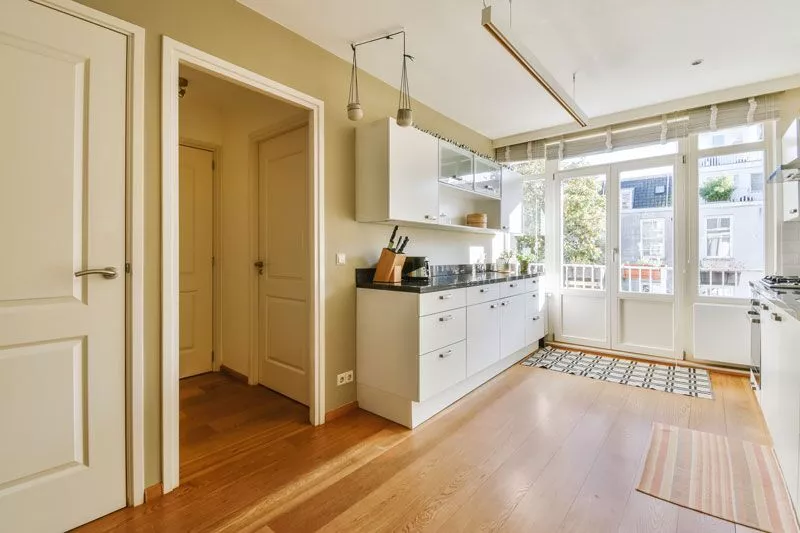
LVT (Luxury Vinyl Tile) flooring is a type of flooring that looks like real wood or stone without sacrificing durability.
Whether you’re a homeowner, landlord, property investor, or property developer, the flooring of your property is one of its most important assets.
Investing lots of money in flooring, only for it to look average and start wearing out within a couple of years, can definitely be frustrating. That’s why familiarising yourself with flooring types and styles such as LVT is essential.
In this guide, we’ll cover everything you need to know about LVT flooring, including its types and benefits. So, let’s get started!
Luxury Vinyl Tile (LVT) is a type of flooring that’s made up of multiple layers. It mimics the look of natural materials such as wood. LVT is relatively new, but it’s growing in popularity at a very fast pace.
LVT flooring is either manufactured as planks or tiles. It makes an excellent alternative to tiles and laminate flooring, thanks to its durability and water-resistant properties.
LVT floorings are great for those who want to add the warmth of natural materials to their property without sacrificing practicality. They come in spectacular designs, and you can even find them in different wood species and grain patterns.
LVT planks and tiles are very thin and flexible, to the point that you can cut through them with a knife. Not to mention, they can be used with underfloor heating.
There are various types of LVT flooring, which include:

Here are some of the perks of installing LVT flooring in your house or commercial property:
Unlike other types of floorings, LVT flooring looks natural and beautiful. With designs that mimic the look and feel of wood and stone, you can create a relaxing indoor environment that doesn’t look industrial.
One of the biggest advantages of LVT flooring is longevity. The top area is covered with a wear layer that extends the life of the flooring. Some manufacturers even incorporate multiple layers of wear, including a urethane-treated layer that offers additional protection against everyday tear and wear.
Moreover, the base is made up of 3 stacked layers that provide a strong locking system.
LVT flooring is manufactured with non-phthalate plasticizers. Not to mention, it’s compliant with WELL and LEED standards. In other words, buying and installing LVT flooring on your property means that you’re directly contributing to a greener environment.
Thanks to the wear layer, LVT flooring has excellent scuff and stain resistance properties, making it very easy to maintain. All you need to clean your LVT flooring is a normal 2-bucket cleaning system.
LVT flooring is manufactured using the hot-press technique, where the baking process combines the vinyl layers using fusion. This provides LVT flooring panels with top-notch strength.
LVT flooring is pretty durable, so you should expect it to last anywhere from 10-20 years in good condition. Of course, some factors come into play, like the flooring’s installation, maintenance, and the setting in which it’s installed.
It depends. LVT floorings should at least be water-resistant, meaning that they can withstand pet mishaps, topical spills, and tracked moisture. So as long as you dry the area up as soon as possible, you should be OK.
However, some manufacturers offer waterproof LVT floorings by integrating waterproof core materials, like WPC and SPC. This makes the flooring hold up pretty well against things like plumbing leaks.
Choosing the best type of LVT flooring largely depends on your personal preferences. For example, you might consider opting for loose lay LVT flooring because it’s cheaper. Not to mention, you can install it yourself.
Also, if getting the best design is vital to you, you’ll probably opt for glue-down LVT floorings since they’re the most beautiful and natural-looking.
That was everything you needed to know about LVT floorings.
If you’re in the process of choosing a suitable flooring for your property, you should now be able to decide if LVT flooring is the right option for you.
So what’re you waiting for? Get in touch to check out our LVT flooring options now