


(0)1622 589 999

info@allfloorstradecenter.co.uk

When planning your new home, you need to think carefully about the type of flooring you’ll use for every room. After all, changing the flooring isn’t that simple. Not to mention, it can be quite costly.
LVT or Luxury Vinyl Tile flooring is a modern type of flooring that can be suitable for various rooms in your home. It’s beautiful yet functional, and you won’t likely need to make any major maintenance to it regardless of the foot traffic.
In this guide, we’ll explore which rooms is suitable for LVT flooring.
LVT or Luxury Vinyl Tile flooring is a commercial type of flooring that combines the beauty of natural-material flooring and the durability of engineered flooring. It’s available in a wide range of beautiful designs, is easy to maintain, and withstands tough conditions quite impressively.
Moreover, LVT flooring is sustainable as it meets the certification standards of WELL and LEED.
LVT flooring can make an excellent choice for your home, particularly in the living room, kitchen, and bathroom. It has everything you need in a floor; looks, ease of cleaning, comfort, and durability.
Vinyl flooring is suitable for lots of rooms. Here’s where LVT flooring can be a good choice:
Living spaces are where you spend the majority of your waking time at home. The living room is suitable for relaxing and spending time with family and friends, making it a high-traffic room.
You should also consider that if you have a pet or more, battering is inevitable, which is why you need beautiful flooring that’s also durable.
Vinyl flooring mimics the authentic appearance of natural wood, giving you a relaxed feeling in the living room. At the same time, it’s durable enough to withstand high foot traffic. It’s also quiet, easy to clean and maintain, and has a warm underfoot feeling.
Kitchens can get quite messy. From spilt liquids to dropped food particles and even broken glasses or dishes, keeping your kitchen clean feels like a tough job.
Luckily, LVT flooring is very easy to clean, making it the right choice for kitchens. No matter how messy your kitchen gets, cleaning the LVT flooring won’t take more than a few minutes. Not to mention, the natural wood look of LVT flooring goes along quite well with many kitchen cabinet designs.
The bathroom is the wettest and most humid room in your home. Natural wood flooring might cause problems like slipping accidents, mould growth, termites, and other issues related to water damage.
LVT flooring, on the other hand, is waterproof and tolerates humidity, making it a good choice for bathrooms. And since there are lots of styles of LVT flooring, you can easily match its appearance with your bathroom’s design.
A conservatory is an indoor area with some of the benefits of the outdoors. It lets you enjoy the view of greenery, sunbaths, and even grow plants
To complement the design of your conservatory, LVT flooring that looks like real wood or stone would look spectacular. And because LVT flooring adapts quite well to temperature changes, you don’t have to worry about sunlight damaging it.
Underfloor heating is necessary, especially in the colder regions of the country. You also need to install underfloor heating if you’re planning to install a heat pump.
Some types of flooring can’t withstand the high heat emitted from underfloor heating systems. But LVT flooring is resistant to temperature changes, making it compatible with underfloor heating.
So if you have underfloor heating or planning to install it, rest assured that LVT flooring won’t cause any problems.
Basements are where most people store unnecessary or barely used items, so they can get quite messy. LVT flooring makes your basement less messy since it’s easy to clean and maintain.
In addition, you properly move heavy items around a lot in the basement, which could cause damage to your flooring. However, LVT flooring has a scratch-resistant top layer, so even if you move things like furniture and appliances in the basement, your flooring will remain as good as new.
The flooring of the stairs in your home can make a huge difference in its overall style. But what really matters is that the stairs are used by everyone, so the flooring must be durable to withstand high foot traffic.
Vinyl flooring makes a good choice because it’s tough and easy to maintain.

When deciding whether LVT flooring is a good choice for a particular room, consider the surrounding environment.
High traffic rooms would benefit more from the durable LVT flooring such as your living room or your kitchen than low traffic rooms. Moreover, since LVT flooring remains dry even when the room is wet, installing it in high-humidity rooms would definitely make sense.
Plus, LVT flooring is suitable for hot and cold environments, even if the temperature fluctuates frequently.
There are 4 primary types of luxury vinyl flooring based on installation: stick down, locking system, loose lay, and glue-down.
Stick down LVT flooring is stuck down directly to the subfloor that has to be dry and 100% flat. Since bedrooms allow for personalisation, stick-down LVT is a good choice for this room. Not to mention, the limited foot traffic means that no special adhesion is necessary.
On the other hand, locking system LVT flooring requires an underlay, and the subfloor doesn’t have to be perfectly flat or dry. This type of flooring is very easy to install yourself, enabling you to save some cash on installation costs.
Not to mention, you can uninstall the flooring in case you decide to move to a new home. However, locking system LVT flooring allows for limited customisation, so if you want to personalise your bedroom’s flooring, it may not be the best option.
Loose lay LVT contains vinyl and phthalate-free plasticisers. It requires an adhesive material for the planks at the perimeter of the room only. This makes it similar to stick down LVT.
There’s another less common type of LVT flooring, called glue-down. However, it can be a bit tricky to install by yourself since it requires gluing the subfloor first, so you’d better leave installing this one to a professional.
It’s also worth noting that LVT floor comes in a wide range of designs, styles and patterns to suit different home styles. You can find LVT flooring that looks like every type of wood flooring and stone flooring.
Luxury vinyl tile flooring is the best type of vinyl flooring for the living room because it’s quiet, durable, easy to keep shiny, and has a warm underfoot.
Both luxury vinyl tile and sheet vinyl would make good choices for the kitchen, thanks to their durability and water-resistance properties. Both are also easy to maintain and clean.
Luxury vinyl tile is the best type of vinyl flooring for the bedroom. It looks spectacular, allows for personalisation, and provides a warm underfoot feeling.

There are countless perks of installing LVT flooring in your home. Here are some of them:
To recap, LVT flooring is quite versatile, and it can be installed in many rooms in your home. It’s particularly suitable for kitchens, bathrooms, conservatories, and living rooms.
Any room that can get messy, wet, or busy would definitely benefit from LVT flooring. And since LVT flooring is durable, looks appealing, and won’t require much effort to install, there’s no reason why you shouldn’t install it in some or even all of your home’s rooms.
Are you looking for durable and practical flooring that doesn’t lack the pleasing aesthetic of natural materials? If so, it’s time to look into the different types of LVT flooring.
Luxury vinyl tiles (LVT) flooring combines the elegance of natural materials and the durability and ease of maintenance of artificial ones. It’s a golden solution for industrial and commercial facilities and places where moisture is common. Nowadays, LVT floorings are quickly rising to the top of the market with their favourable qualities.
To learn more about the different types of LVT flooring and which one is suitable or the best for you, read on!
We’ve all heard about vinyl floorings before, but what is LVT flooring, in particular?
LVT flooring means luxury vinyl tiles flooring, and it’s a type of flooring that looks like real wood or stone but is much thinner and more practical. It’s often manufactured from many layers that add to its durability, and it’s a dream for DIY enthusiasts for how easy it is to install it.
LVT flooring can be installed by glue fastening or snapping its tiles together. In addition, its tiles are extremely thin, making it more favourable for people with shallow floors. This way, they won’t have to add depth to their floors before installing new tiles.
On top of that, LVT floorings are more durable than real wood and more resistant to scratches and wear. Not to mention, they’re water-resistant, making them a perfect alternative to laminate floorings.
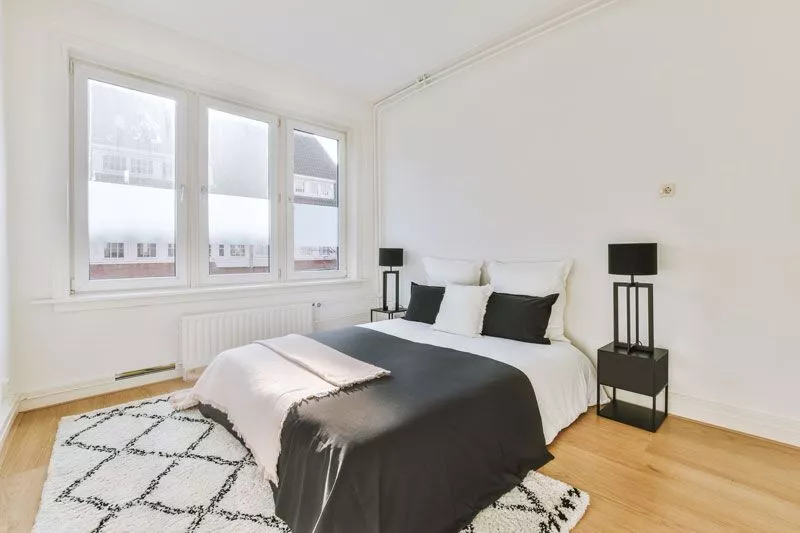
After giving you a brief introduction to LVT flooring, it’s time to dive into more details regarding its types. There are four types of LVT flooring, and we’ll give you a brief roundup of them.
As their name refers, self-adhesive vinyl tiles and planks don’t require glue for installation. Instead, they have adhesive layers on their backs that stick by pressure. So to install them, you’ll only have to remove the protective layer on each tile, position it correctly, and press it down on the floor.
Removing self-adhesive tiles is equally easy. You can first use a blow-dryer to heat each tile and melt the adhesive. Then, you can cut the tiles into small chunks and remove each piece.
Installing glue-down LVT flooring is a bit more challenging than installing self-adhesive tiles. This is because, this time, you’ll need a type of glue that can stick vinyl floors.
While less suitable for DIY lovers, glue-down LVT floorings are more durable than self-adhesive tiles and less likely to move under your feet. This is especially the case if they’re installed by a professional.
To install glue-down LVT tiles, apply the glue to the ground first. Then, press each tile in its proper place till it’s glued to the floor. Removing this type of LVT flooring is challenging and calls for a professional’s help, mainly because the glue doesn’t melt easily.
Unlike the previous two types, interlocking vinyl tiles don’t require any adhesives for installation. Instead, they have complementary designs that allow each two tiles to join. In other words, you’ll only need to click the tiles together in their proper places to install your new LVT flooring.
While removing interlocking tiles isn’t particularly challenging, you’ll have to remove an entire row if you want to remove a specific tile. This is because the entire row is connected.
Loose lay vinyl planks were specifically designed to provide easy installation. They don’t require adhesives and don’t have locking systems. Instead, they adhere to the floor by friction.
The high friction between their bottom layer and the floor causes them to grip the subfloor tightly, leaving no chance for the tiles to move beneath your feet. To ensure the planks don’t roll, you can use adhesive in the room corners.
The best part about loose lay vinyl planks is that they’re reusable. So you can easily remove and install them somewhere else. On top of that, they don’t leave any residues behind. So generally, they’re one of the best types of vinyl flooring.
There are many vinyl flooring types on the market, but why is LVT flooring special? Here are four reasons why you should install LVT flooring in your house.
What makes LVT floorings more appealing to customers is that they’re moisture-resistant, unlike many other flooring types.
The pros of LVT floorings is they are manufactured from PVC, which gives them a very high water resistance. As a result, you can install LVT tiles in your laundry room, basement, bathroom, or kitchen.
Of course, the degree of moisture resistance depends on the flooring’s installation. For instance, if the installation is faulty and there are open seams between every two tiles, water will seep into your subfloor, which will eventually damage the entire floor.
Also, if you accidentally pour any liquid on your floor, you should be quick to wipe it, even if your floors are water-resistant.
The part where LVT floorings shine among other types is their unprecedented durability. While real wooden floors are more attractive aesthetically, they don’t last as long.
More so, LVT floorings are always a winner when kids and pets are around, and generally, in high-traffic rooms. Even if your pet likes to scratch the floor with its nails, you won’t see a scratch or any signs of wear.
Floors that aren’t water-resistant are often challenging to clean because how can you efficiently clean a floor without water? However, this isn’t the case with LVT floorings. Instead, you can clean them in whatever way you like.
For instance, you can use a vacuum, mop, or water and soap. You won’t have to worry about water seeping through the floors and damaging your subfloor. However, it’s fair to warn you that you shouldn’t put too much water on your floors, no matter how water-resistant they are.
The constant advances in the floors industry have made differentiating between real wooden floors and types of floor vinyl extremely challenging. They’re equally elegant and have high-end finishes, so you might not notice the difference.
Not to mention, LVT floorings are available in many attractive designs and colours. For instance, you can choose a floor that looks like stone, wood, marble, and the like. To sum it up, they satisfy every taste.
Many types of vinyl floorings are available on the market, and many people confuse LVT and LVP floorings. For starters, LVP flooring, also known as luxury vinyl plank flooring, is manufactured in the shape of planks to resemble real wooden floors. Meanwhile, LVT floorings are manufactured in the shape of tiles.
Both types are water-resistant, making them popular among other flooring types. They’re manufactured from multiple plastic layers, making it impossible for water to seep through them and reach the subfloor. You can install either type in any room you want, even if it’s susceptible to moisture.
LVT and LVP are available in many colours and designs, and they greatly resemble natural materials like wood and stone. They’re also equally easy to install, clean, and maintain.
There isn’t a definite answer to this question; however, we can clear things up a bit for you. First of all, LVP flooring looks more like hardwood than LVT flooring. So if you’re going for the authentic wooden look in your house, you’ll love how it looks.
On the other hand, LVT flooring looks like stone and bamboo floorings because it’s cut into smaller pieces.
Other than that, there are nearly no differences between the two types. They share the same pros and cons. For starters, they’re both durable, water-resistant, easy to install, and affordable.
But unfortunately, they’re also non-biodegradable, can fade when exposed to sunlight for long hours every day, and can cause health problems for people with breathing problems. But how?
Vinyl floorings, in general, emit pollutant gases known as volatile organic compounds (VOCs). Although these gases aren’t harmful to healthy people, they might cause some health issues for people with lung or breathing conditions.
Yes, LVT floorings are entirely water-resistant, unlike other types of flooring that are only partially resistant to moisture. This is because they’re manufactured from a durable wear layer, rigid core, and attached underlayment. The multiple layers, combined with the durable manufacturing materials, ensure that water doesn’t damage the floor.
The best LVT flooring type depends on your needs. If you want your floor to look like real wood, then you should get LVP flooring. But if you want a stone-themed aesthetic, you’ll do better with vinyl tiles. Finally, if you want to install new flooring in your bathroom or kitchen, you should consider WPC flooring, also known as waterproof plank flooring.
Installing LVT flooring costs about £20 to £60 per meter square. However, this price is only for purchasing the tiles. Installing them will also cost you money if you hire a professional to do it. It might cost you anywhere from £5 to £20 per meter square. Any issues with your subfloor might cause the price to go up.
Choosing new flooring for your house is always a dilemma between settling for a higher price and a more elegant look or an affordable price and a low-quality finish. However, you can say goodbye to this dilemma with LVT floorings.
They’re durable, affordable, water-resistant, and look elegant. They’re also very easy to install, clean, and maintain. All in all, they’re a good choice for high-traffic and water damage susceptible rooms.
If you want to install LVT floorings, contact us now!
LVT (Luxury Vinyl Tile) flooring is a type of flooring that looks like real wood or stone without sacrificing durability.
Whether you’re a homeowner, landlord, property investor, or property developer, the flooring of your property is one of its most important assets.
Investing lots of money in flooring, only for it to look average and start wearing out within a couple of years, can definitely be frustrating. That’s why familiarising yourself with flooring types and styles such as LVT is essential.
In this guide, we’ll cover everything you need to know about LVT flooring, including its types and benefits. So, let’s get started!
Luxury Vinyl Tile (LVT) is a type of flooring that’s made up of multiple layers. It mimics the look of natural materials such as wood. LVT is relatively new, but it’s growing in popularity at a very fast pace.
LVT flooring is either manufactured as planks or tiles. It makes an excellent alternative to tiles and laminate flooring, thanks to its durability and water-resistant properties.
LVT floorings are great for those who want to add the warmth of natural materials to their property without sacrificing practicality. They come in spectacular designs, and you can even find them in different wood species and grain patterns.
LVT planks and tiles are very thin and flexible, to the point that you can cut through them with a knife. Not to mention, they can be used with underfloor heating.
There are various types of LVT flooring, which include:

Here are some of the perks of installing LVT flooring in your house or commercial property:
Unlike other types of floorings, LVT flooring looks natural and beautiful. With designs that mimic the look and feel of wood and stone, you can create a relaxing indoor environment that doesn’t look industrial.
One of the biggest advantages of LVT flooring is longevity. The top area is covered with a wear layer that extends the life of the flooring. Some manufacturers even incorporate multiple layers of wear, including a urethane-treated layer that offers additional protection against everyday tear and wear.
Moreover, the base is made up of 3 stacked layers that provide a strong locking system.
LVT flooring is manufactured with non-phthalate plasticizers. Not to mention, it’s compliant with WELL and LEED standards. In other words, buying and installing LVT flooring on your property means that you’re directly contributing to a greener environment.
Thanks to the wear layer, LVT flooring has excellent scuff and stain resistance properties, making it very easy to maintain. All you need to clean your LVT flooring is a normal 2-bucket cleaning system.
LVT flooring is manufactured using the hot-press technique, where the baking process combines the vinyl layers using fusion. This provides LVT flooring panels with top-notch strength.
LVT flooring is pretty durable, so you should expect it to last anywhere from 10-20 years in good condition. Of course, some factors come into play, like the flooring’s installation, maintenance, and the setting in which it’s installed.
It depends. LVT floorings should at least be water-resistant, meaning that they can withstand pet mishaps, topical spills, and tracked moisture. So as long as you dry the area up as soon as possible, you should be OK.
However, some manufacturers offer waterproof LVT floorings by integrating waterproof core materials, like WPC and SPC. This makes the flooring hold up pretty well against things like plumbing leaks.
Choosing the best type of LVT flooring largely depends on your personal preferences. For example, you might consider opting for loose lay LVT flooring because it’s cheaper. Not to mention, you can install it yourself.
Also, if getting the best design is vital to you, you’ll probably opt for glue-down LVT floorings since they’re the most beautiful and natural-looking.
That was everything you needed to know about LVT floorings.
If you’re in the process of choosing a suitable flooring for your property, you should now be able to decide if LVT flooring is the right option for you.
So what’re you waiting for? Get in touch to check out our LVT flooring options now
Installing the best vinyl flooring in your house is a wonderful idea, at least until you’re bombarded with all sorts of decisions. Often, the numerous options and unlimited information can be a bit overwhelming.
But that’s why we’re here! We’ll run you through the crucial facts about vinyl flooring. That includes its characteristics, types, pros and cons, thickness, styles, installation process, LVT flooring brands, and more. This way, you get to decide on the best LVT flooring, UK, for your new home, no guesswork involved!
So many factors contribute to which vinyl flooring fits your room. For one, your floor should complement your walls, furniture, and other features.
When choosing the luxury vinyl floor design, you need to consider if it matches your vision. And you’ll be able to find a design you want in any vinyl type! Moreover, the floor should be a base for all the furnishings since it’ll probably be more permanent than the wall colour and everything else.
Speaking of colours, your vinyl floor’s colour will strongly impact its ambience. To illustrate, you can opt for darker tones to absorb the light and give your room a warm atmosphere. Otherwise, you can get bright vinyl flooring to reflect the light and give your room the illusion of space.
What also contributes to how spacious a room feels is the size of the vinyl floor design. We typically recommend small patterns in small rooms and big ones in big rooms.
Additionally, sturdiness, wear resistance, soundproofing, and easy maintenance are all features you should consider. They’re especially relevant for high-traffic areas, kitchens, and bathrooms.

We’ll run you through the different types of vinyl flooring and the differences between them to help you make an informed decision. The main types of vinyl floors are:
But how are they different from one another? After all, they mostly look similar. Firstly, vinyl planks are synthetic planks that assume the appearance of hardwood. But unlike wood, they’re cheap, easy to install, and easy to clean. Nonetheless, compared to vinyl planks, vinyl sheets are more affordable.
Also, installation is somewhat different since the vinyl sheet is sold as a large roll that you can spread and cover your whole space with. That means you won’t see any seams. In comparison, the other type comes in planks. Not to mention, vinyl planks’ fiberglass backing makes them more sturdy than vinyl sheets.
Secondly, we have luxury vinyl, either tiles or planks. When we compare luxury vinyl flooring to regular vinyl, we’re assured that it’s more sturdy and durable than the former type with a tough wear layer. Also, it resembles wood or stone or features other patterns.
The main distinction between LVT and LVP is their shape. As the names suggest, the former is in tile form, and the latter is in plank form. Also, LVT assumes the appearance of stone, whereas LVP assumes the appearance of hardwood.
Thirdly, WPC refers to luxury vinyl planks that are 100% waterproof, thanks to the core of four-layer construction.
Fourthly, SPC is an upgrade from LVT. Its multiple later gives it high peel strength, noise dampening qualities, and heat and sound insulation ones.
Vinyl flooring is composed of a synthetic material known as polyvinyl chloride resin. It’s super hard-wearing and durable while maintaining a soft underfoot. Accordingly, it’s a good fit for high-traffic spots.
Sometimes, thickness plays into it as well. To elaborate, quality sheet vinyl is homogeneous, containing one solid layer. Therefore, it should be about 3.5mm thick to be durable.
As for LVT and LVP, they’re durable and waterproof with a layered design. To illustrate, there’s a wear layer for protection, a print layer with the pattern, a waterproof core to avoid swelling and warping, and a backing layer that serves as a sturdy base.
As for vinyl planks, the wear layer protects them against dents, scraps, and stains. So, you’ll find thicker vinyl floors with warranties of up to 25 years. Otherwise, thin vinyl planks typically come with a 5 to 10-year warranty.
Flooring cleaning and maintenance is certainly something to think about, and it’s easy with vinyl floors. Just vacuum the floor gently or sweep it with a soft brush to remove dust. You can also use water to clean it since it’s water-resistant.
When dealing with rigid core vinyl, all you need is a quick sweep to wipe up everyday stains and spills. But for a more thorough clean, you can use a steam mop on a low setting. When it comes to sheet vinyl, you can vacuum or whip it down easily.
We can’t discuss maintenance without scratch resistance. Unfortunately, vinyl flooring isn’t entirely scratch-resistant. Does that mean you can’t install it if you have heavy furniture? No, just put furniture pads under the furniture, and you’re good to go. Also, regular cleaning ensures there’s no dust build-up, which could cause scratches.
Now, you probably want the best type. We’d choose SPC for the most heavy-duty vinyl flooring. That’s because it’s arguably the most stable type, making it resistant to dents and giving it a soft underfoot. For that reason, it’s an excellent choice for high-foot traffic areas and commercial use.
What’s interesting is that SPC isn’t the thickest type of vinyl. It’s usually 4mm to 6mm. Meanwhile, WPC tends to be 5mm to 8mm thick.
Now, you might be overwhelmed and unsure where to look for high-quality vinyl flooring. So, we’ve got some recommendations for the best vinyl flooring brand, UK.
First on our list of LVT brands is Karnean, which has been in the business for about 50 years. It believes that top-quality vinyl flooring should be beautiful and practical, which explains why the company is one of the most established globally.
In addition, its products are realistic in their imitation of stone and wood. Not to mention, they’re environmentally friendly, durable, and reasonably priced.
Then, we have Amtico with over 50 years of experience, providing us with some of the best LVT flooring on the market. It’s well known for its quality, functionality, and durability. For that reason, the brand accommodates domestic and commercial use.
Moreover, Shaw, the company owned by Berkshire Hathway, is widely known for its diverse flooring type. It also offers good-quality vinyl flooring for a reasonable price.

Of course, prices may vary according to the type of vinyl flooring you pick. For instance, vinyl sheets may be £10 and above, whereas vinyl planks may be £15 and up. As for tiles, the cost may start at £15. Then, of course, you’ll have to factor in the price of fitting your vinyl flooring, which can be about 50% of the total cost.
To learn how much vinyl flooring costs, you need to calculate the floor area. Simply use this equation: [Length of Floor] x [Width of Floor] = Floor Area. Then, divide the area by the size of one tile to get the number of tiles you need.
To start with, a myth we need to debunk is that the thicker the floor is, the more durable it becomes. Instead, it’s the wear layer that grants a flooring product its durability.
What matters is that you decide on the needed thickness based on the amount of traffic it gets. For instance, 2mm to 4mm is good enough for a low traffic spot. Otherwise, 4mm to 6mm is more fit for heavy traffic spots.
When it comes to installation, you can either hire professionals or do it yourself since it’s effortless to lay vinyl flooring. Also, if you have underfloor heating, you can install LVT, as they work well together. Overall, you can install all vinyl floors over water-based underfloor heating.
In addition, if you have concrete subfloors, WPC can be an excellent flooring choice. Still, other vinyl floors are acceptable as well. What matters is that the concrete is in good condition. It should be clean, smooth, and dry without holes or cracks.
Last but not least, you won’t need any underlayment for vinyl floors because they already have a base layer. This enhances their durability and comfort. So, unless your subfloor is uneven or has humidity issues, you don’t have to install an underlayment.
You’ll find vinyl floors in a plethora of patterns and colours. We’re looking at the top flooring trends for 2022, and it seems that wood-look planks are the most popular ones!
For instance, you’ll find traditional Oak, Walnut, and Birch-effect vinyl floorings. There are also classic styles, including rustic wood-effect vinyl flooring and matte finishes. You’ll also find dramatic grain patterns. These are some of the most realistic vinyl plank flooring options, and they might even assume the texture of hardwood.
Not to mention, you can opt for sandstone-effect vinyl flooring, which brings a contemporary but classic vibe to your house.
Of course, the variety of colours adds to the versatility of vinyl floors. You can undoubtedly opt for colours stone-effect vinyl flooring. So, do you want bright colours, such as turquoise, orange, red, cherry, or neutral ones that resemble natural stone?
Last but not least, slate designs are some of the most popular stone-look vinyl planks. They give you that slate-effect without breaking the bank.
With that in mind, you see how you can find vinyl planks that look like hardwood and vinyl tiles that look like natural stone. However, you can also find stone-look planks and wood-look tiles, thanks to the accessibility of the best value LVT flooring.
The best vinyl plank flooring is popular for a reason or several ones. To start with, it’s waterproof, meaning that you can install it in bathrooms, kitchens, and basements.
Also, it requires minimal cleaning, which is a major advantage in such high traffic areas. And it keeps its lustre, thanks to the protective layer. Not to mention, it won’t suffer many scratches and stains.
What makes this feature especially alluring is the fact that these planks look like hardwood. They’re, in fact, highly authentic. So, you can get the wood-effect without its drawbacks! You can also find stone, marble, and other effects.
We want to give you the whole picture, so here are our concerns with vinyl plank flooring. Although it’s durable, it isn’t as durable as hardwood. So, it’ll live up to ten or twenty years, and it’ll get scratched or scuffed with time.
Also, if it gets badly damaged, there’s no repairing it. Your only choice is to replace the damaged planks, and even that isn’t easy. The only time you can fix a plank is if the damage is minimal (like a scratch).
Regarding its environmental impact, LVP emits low quantities of volatile organic compounds (VOCs). These compounds are harmful, especially if you have respiratory allergies.
For that reason, opt for the best vinyl wood plank flooring, as it’ll stop releasing the compounds after a week or two. Meanwhile, cheap ones won’t do so for up to two months. Another environmental issue is that vinyl planks aren’t biodegradable, so recycling them won’t be easy.
When it comes to the best vinyl plank flooring brands (UK) for waterproofing, there’s no one-size-fits-all answer here. That’s because it depends on your budget and the other features you’re after. But since we’ve talked about Shaw previously, we must say that most of its products are 100% waterproof.
Another brand that stands out is NuCore. It’s the one brand among almost all vinyl floor companies that only puts out 100% waterproof floors, so you won’t have to check its individual products for that feature.

In terms of installation, you can classify LVT into glue-down and click varieties. Luxury vinyl click flooring reviews, UK, will tell you that it facilitates DIY installation. The composition of both types is almost the same, which makes vinyl click flooring a solid option.
Nevertheless, we wouldn’t recommend click flooring if you plan on installing it in a high traffic area or a room with high moisture levels or changing temperatures.
To answer that question, we need to look at particular features. Vinyl is 100% waterproof, so the water and dampness won’t damage it. Not to mention, vinyl flooring is stain-resistant. Accordingly, you can clean it easily.
One area where vinyl is better than other waterproof options is its comfortable underfoot. In other words, your bathroom floor won’t be cold and hard. However, vinyl floors’ topcoat is non-durable and not UV resistant, so they aren’t a good idea for bathrooms that get a lot of light.
Vinyl flooring is excellent for basements, and here’s why. It’s water-resistant and moisture resistant, enabling it to handle the moisture levels of the basement without getting damaged. But if you plan on adding plywood or something else under the vinyl, know that it’ll decrease the vinyl’s moisture-resistance capabilities.
Additionally, when you install vinyl flooring over your concrete, you don’t need to dig nails, which is very difficult. Instead, you use double-sided tape or snap the planks together.
As we’ve mentioned, vinyl floors are an excellent idea for your high-traffic kitchen. After all, they’re affordable, practical, easy to clean, and durable to an extent. So, it’ll be easy to clean up spills and stains with a simple wipe.
Of course, the best vinyl floor covering would be waterproof and moisture-resistant. This way, you don’t have to worry about the heat emanating from the stove or the water dripping from the kitchen tab. Also, vinyl has cushioning and quality insulation. In other words, it provides a warm and comfortable underfoot.
Overall, installing vinyl floors is an excellent idea. Of course, you know the features you need, the conditions of the rooms in which they’ll be installed, and more. Also, vinyl flooring types are so versatile that you can choose one with those factors in mind. So, do the maths, and get the best luxury vinyl flooring, now!
Chances are you’re looking for floor renovation ideas. And you probably want to learn about the top flooring trends of 2022. As a homeowner, property developer, or designer, you want to ensure that every room in the house is up-to-date and eye-catching. After all, you don’t want to splurge on your flooring only for it to become old fashioned in some years.

We’ll tackle the home flooring ideas that involve types of flooring, features, colours, patterns, textures, layouts, looks, and look-alikes. This way, you’ll know everything you need to know before diving into your project.
Hardwood flooring is a very consistent option. It’s a classic, especially for the main areas of the property. The trend for hardwood flooring is to get wide and long planks. So, we’re talking 18” to 20” wide and 12’ long or more. As for the finishes, we expect a lot of natural penetrating/hard-wax oil with no sheen.
Vinyl floors are trending right now, and there are some vinyl trends you shouldn’t miss. For one, we have WPC (wood plastic composite) vinyl. It’s like luxury vinyl floors with waterproof properties and resembles wood. Then, SPC vinyl floors are marked by their rigid core, which reduces ripples and waves. Accordingly, they’re perfect for uneven subfloors.
We can’t forget luxury vinyl planks (LVP), durable and stunning but not waterproof. As for luxury vinyl tiles (LVT), they closely mimic the stone look. Last but not least, vinyl sheets have fibreglass cores and backing to enhance durability. In addition, these sheets come in realistic textures and decorative designs.
Tip: Compile a mental list of all the features you need in your flooring types, such as safety features, water resistance, and more.
When it comes to tiles, we’ve got terrazzo. It’s made by collecting marble flecks, which gives it a versatile and vintage look. Then, green tiles can be anything from cool to bold (depending on the shade).
We also expect a lot of bold patterns. These can give your place character and add spice! Moroccan-style tiles are also in fashion, inviting warmth into your house with intricate designs. Finally, deep blue tiles are luxurious and chick.
2022 is coming strong with colours. We expect to see bold, colourful, and patterned carpets in small rooms. An incredibly trendy pattern is that of carpet tiles. They have a very abstract look and are practical. Another pattern we expect to see more of is smart stripes; they give off the illusion of space.
When it comes to popular colours, there are soft duck egg blues, as usual, and black and teal tones with flashy accents. But we also love the hot tones, such as lush berry and spicy chilli. They’re ideal for high-foot traffic areas. And we have the plain naturals for the minimalists. They’ll easily go with anything and promote relaxation.

The features you want in your flooring should be relevant to the most popular flooring in new homes. So, you want waterproof flooring, as it’s more durable when it comes to scratching, staining, and humidity.
That can be WPS vinyl, SPC vinyl, and more. There are also waterproof types of trendy laminate flooring, engineered hardwood, and even carpet with fibre coating!
Moreover, eco-friendly flooring is on the rise. Tiles and environmental friendliness go hand in hand. These natural products give you the natural look and texture you want. You can opt for terrazzo or statement marble.
As for carpeting, eco-friendliness translates to recycled carpet flooring. Yes, manufacturers mostly make carpets from recycled materials, including fishing nets and plastic soda bottles. They’re even taking it a step further to make the carpet more recyclable.
Moreover, a feature that we can’t miss is American-made flooring. We don’t know if this trend will ripple into the UK, but the rise of American-made flooring is due to Americans’ preference to support their economy.
Other than that, this feature also overlaps with the previous one in that many American-made flooring products are sustainable and eco-friendly.
Starting off, we have wood, which rarely goes out of fashion, and the same goes for wood looks. Firstly, you have laminate planks, the most economical wood-like flooring option.
Secondly, ceramic and porcelain tiles with wood looks are sturdy and waterproof. Thirdly, wood-look vinyl planks also bear a startling resemblance to real wood.
Also, due to its accessibility, stone-look flooring is gaining more popularity, especially the following looks. We have concrete-look flooring for more minimalist styles, which has an industrial look to it.
Moreover, limestone flooring has the natural look with multiple colour variations. As for travertine-look flooring, it’s been getting its well-earned attention lately with modern flooring styles and designer patterns.
And if you’re looking for “high-end luxury” that doesn’t cost an arm and a leg, check out marble-look flooring. You’ll find it in intricate patterns, and you can take pleasure in knowing that no one else has your exact flooring!
Furthermore, you could opt for slate-looking flooring. It assumes the look of ceramic and vinyl tiles, giving you a natural marble look.
Last but not least, you might appreciate decorative floors if you aren’t about the natural-flooring look. Examples include geometric patterns, trellis designs, and parquet patterns. These are trendy choices for bathrooms.
When it comes to in-style flooring colours, the phrase “grey is the new beige” comes to mind. Classic grey is only getting more popular, and designers are mixing it with beige to make stylish greige shades.
Grey is super popular, and it’s one of the most modern wood floor (check out our article on how to fix wood floor) colours. But you’ll find that grey stone flooring is popular as well. After all, it can so easily match your home’s aesthetic and give it a contemporary feel.
We expect to see more white and white undertones in 2022. These marble-look floors should brighten any room and make it look larger.
But even more important is white-washed flooring, especially common in coastal homes and farmhouses. Like real white flooring, white-washed flooring adds light to a room and balances the contrast of its colours.
White-washing doesn’t strip the wood of its grainy charm, but it encloses it in a white ash exterior. That means you can bleach your existing hardwood floors, which is expensive. Otherwise, you can replace them with ready-made white-washed floors.
Additionally, it’s trendy to have cool-toned flooring. We’re mostly talking about blue and green carpets, vinyl floors, and decorative floors but also light cool tones for stone and wood looks. If you’re worried about warm colours replacing cool ones soon, consider a muted tone that won’t go out of style for a while, such as grey-blue.
Moving on, you’ll find many woods, wood-look, and tile floors in high-colour variations. Their seemingly random colour designs give off a natural and rustic feel. For that reason, they’re excellent for minimalistic and contemporary flooring options. In wood, the colour variation is evident between planks, but in tiles, it’s evident if you look at the individual tile.
Then, black and white floors are coming back, stronger than ever with a new and improved look. But these aren’t the tiles you remember from historic homes. Instead, they feature more graphic designs, sometimes on smaller tiles. And you can pair them with vibrant tones in a small space to add a pop of colours.
The appeal of black and white is that it can contribute to a modern or a vintage look. So, you might want to consider it for a bathroom or a corridor. Perhaps even go with a checkerboard laying. Nonetheless, know that this isn’t a trend that’ll stay for long.
We’ve briefly alluded to the first of several flooring layouts, and that’s longer and wider planks. These planks give the illusion of space.
Chevron floors are also in, flaunting their arrow-like home flooring design. They’re laid one against the other with a 45-degree angle to create a point. Chevron flooring is one way to make a statement in a bedroom!
But we can’t talk about chevron floors without bringing up herringbone ones. These have a zig-zag pattern by laying two planks at a 90-degree angle. A rising trend involves mixing herringbone with plain stripes. Also, you can find built-in chevron or herringbone patterns to ease application. Either choice will spice up your kitchen.
In addition, a layout we’ve mentioned earlier is the checkerboard style. This classic layout for kitchens and bathrooms is everywhere. And the checkered trend isn’t specific to black and white, so you can buy these tiles in various colours and designer prints.
Additionally, the creative tile transitions have stepped in to replace traditional straight-line transitions. These transitions blend contrasting floor types, such as tiles and planks, enabling you to transition from a room to another in a creative way.
Let’s take a minute to talk about the trending flooring texture 2022. For one, wire-brushed and weathered looks are still not out. These are the floors with intentional wire scratches. After all, they don’t look dirty easily, requiring little maintenance.
Another trending texture is distressed flooring. Its intentional scrapes, bums, and knotholes give it character. The historic-looking texture looks excellent with brick walls, stacked stone, and interior design trends.
Smooth flavours are still classic, chic, and some of the best flooring options. They’re the default, so we know they’ll probably never be a thing of the past.
Tip: If you’re looking to renovate the yard, you should check out this guide about artificial grass installation.
We’re talking about floor textures, but what about carpet textures? Firstly, frieze or twist carpets feature carpet fibres with several twists. The shag trending style is very cute, and it’s everywhere.
Secondly, cut and loop carpets are getting much attention right now. These hybrid carpets mix cut carpet fibres with looped carpet fibres, producing different textures.
Many materials appear to be natural wood but aren’t, and they’re at the forefront. For instance, porcelain tiles are waterproof and way more durable than hardwood.
Then, there’s engineered vinyl planks/ luxury vinyl, typically waterproof and bears a remarkable resemblance to wood. Luxury vinyl is also a hardwood look-alike, but it may not be waterproof.
If you’re worried that hardwood may not be very sustainable, bamboo, cork, and terrazzo are eco-friendly alternatives that have its look.
As for dark wood laminates, the latest laminate flooring trends include a departure from them to lighter ones. Furthermore, parquet patterns are some decorative styles that resemble wood, and their cold tones are popular wood floor colours. We’re talking grey wood look-alikes, which make for modern styles.
As for the hardwood look-alike planks, they’re getting longer and wider as you already know. And of course, we can’t forget the distressed wood texture with its scrapes, bums, and knotholes, its fake wood texture resembling real weathered wood.

Not just any type of vinyl flooring is becoming popular but wide plank vinyl flooring. It’s taking over the market and replacing solid wood and engineered wood.
That’s because luxury vinyl tiles, a type of vinyl flooring, feature a high-performing system that people love. Also, people’s choice of replacement flooring in residential markets is vinyl flooring, responsible for 47.8% of the vinyl flooring market. And, of course, it’s inexpensive, durable, and easy to maintain.
We’re already given you tons of predictions, but we’ll recap the main ones to help you find the most popular and the best flooring in new homes. We have smoked wood floors, which are marked by their rich colour. There’s also white-washed wood with a soft look.
And weathered wood with a distressed texture is harbouring popularity recently. But then, there are patterned floors, black and white tiles, graphic ones, and more.
We’ve talked about greys and light tones being trendy, but you might want a colour that has more staying power. We’re referring to mid-tones. A colour that’s neither too light nor too dark is unlikely to look old fashioned in years.
When it comes to bedroom flooring trends, you’ll find modern designs trending. You can achieve that with earth tones, wide plank wood-looks, and tile floors with clean lines.
Otherwise, farmhouse bedrooms come with grey, white and neutral colours, earth tones for carpets, rustic area rugs, and wood-look floors.
As for vintage bedrooms, they’re trendy as usual. Use plush carpet rolls and minimalist area rugs to get a vintage bedroom.
Let’s focus a little on some kitchen flooring trends. People are using large format flagstones, which are hardwearing and timeless. As for stone colours, we’re seeing a shift from grey to beige tones.
There are also oak wood-look kitchen tiles, adding warmth to the kitchen. Other trends that we’ve talked about include herringbones, chevron, and white-washed wood-looks.
Overall, we hope you’ve learned some modern flooring ideas in 2022 so that you can renovate your floors in style. This way, it’ll look up-to-date for years to come. There are numerous trends for flooring types, styles, textures, patterns, looks, colours, and more.
All you have to do is decide on an aesthetic, classic, modern, vintage, minimalistic, or else. And choose the trends that better match your aesthetic.
Get in touch with us today if you need advice on choosing your flooring.
If you’re looking up “the best luxury vinyl flooring UK,” you’ve come to the right place. Luxury vinyl flooring (LVT) is nothing like the dated floors of the seventies. Instead, this modern flooring type comes in almost infinite options, styles, and prints of vinyl flooring.
Of course, this variety can make your choice a rather difficult one. After all, you have to consider your budget, the location where you’ll install the flooring, the anticipated amount of foot traffic, and other factors.
This is why we, at All Floors Trade Centre, have made it our mission to help you. So, without further ado, here’s our comprehensive guide on choosing the ideal luxury vinyl flooring for you.
This type of flooring is found in multi-ply planks and tiles. And it’s made of PVC vinyl.
Moreover, luxury vinyl flooring contains six to eight layers of materials. To elaborate, this includes a clear topcoat layer for lustre, a transparent wear layer for a protected design, a design layer with the print, a cushion foam layer for added comfort when you walk, a fibreglass blocking layer, and a PVC backing layer for sturdiness and rigidity.
Furthermore, if you opt for stone-look luxury vinyl, it might have pulverised limestone or some type of ground mineral.
In addition, its wear layer can be anything from 2mm to 8mm thick. As a result, it’s much more rigid and thicker than standard vinyl.
Firstly, vinyl plank assumes the appearance of hardwood floors with various wood colours, grains, and textures. It’s better than real wood in that it’s water-resistant, stain-resistant, and easier to maintain.
Secondly, where a vinyl plank resembles wood, a vinyl tile resembles stone. It’s available in multiple sizes, colours, and patterns. If you have a small space, vinyl tiling can fit in easily. Also, it’s easy to replace in case of any damage.
As for the third type of luxury vinyl flooring, that’s vinyl sheeting. It’s a roll that can be 12’ wide. So, you can spread it over large spaces. Not to mention, it’s durable and budget-friendly, which probably explains its popularity. Also, if you already have flooring, you can easily lay vinyl sheets over it.
In terms of build material, there’s no difference between LVT and LVP. But let’s cover the pros and cons of each so that you can make up your mind.
If you love the luxurious look of stone or ceramic tiling, LVT is your best bet. It’s effortless to install, thanks to its interlocking or “floating” installation. And it’s water-resistant or even proof.
Nevertheless, we have to note that LVT doesn’t exactly feel like real stone. Also, it’s more expensive than porcelain and ceramic tiles.
Otherwise, if you learn towards the classic look of wood, LVP assumes its appearance. It’s also comparable to laminate flooring and is ideal for small spaces. And like LVT, it’s easy to install, meaning that you can certainly DIY your way through it. Moreover, it requires little maintenance with water-resistant and even waterproof specs.
On the downside, LVP doesn’t possess the texture of solid hardwood. Also, it may be more expensive than laminate options.
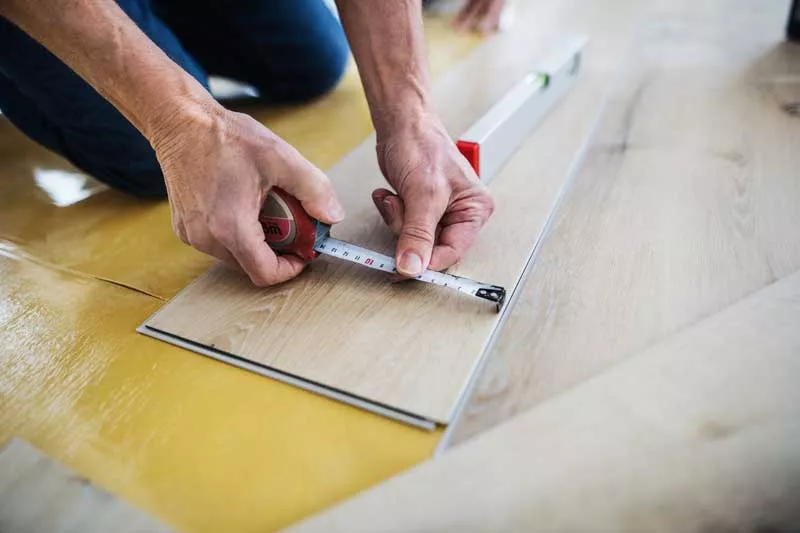
Luxury vinyl plank flooring requires less upheaval in installation than tile flooring. Otherwise, the latter will probably necessitate professional installation.
With luxury vinyl flooring, you can buy a quality product for a reasonable price. Alternatively, tiles, stone or ceramic, are costly. Furthermore, LVT is sturdy and can handle most of what might hit it. But tile flooring is likely to crack under weights, and it’s also more expensive to repair.
There’s no clear-cut answer to this question. But luxury vinyl plank flooring is a solid option. To illustrate, it’s durable, affordable, and easy to install and clean. It also doesn’t scratch easily. Not to mention, it has a comfortable underfoot. And with its water resistance, you don’t have to worry about damaging it with wet mopping or spillage.
These are all perks you need in a high traffic room because they enable your floor to remain undamaged and clean.
Luckily, luxury vinyl flooring needs little maintenance. Adjust your steam mop to a low setting, and use it to clean your vinyl. But if you want to clean off a stain or spill, you can merely sweep the floor with it.
Also, note that applying abrasive scourers on vinyl floors is a no-no, as it can damage your floor.
If you want to install luxury vinyl, here are the materials you need:
Now, let’s go over the steps of installing luxury vinyl. Before you can lay the vinyl flooring, you should check the floor to ensure that it’s flat. In other words, you need to remove any nails, concrete lumps, humps, and dips if they’re over 2mm in a 1metre run.
Then, you can acclimatise your LVT. That means leaving the closed boxes with your flooring in the room you’ll install it in for 48 hours before you lay it. Note that the heating conditions should be regular and the temperature should be 18 to 28 Deg.
Afterwards, you should place an LVT underlay or a self-adhesive vinyl tile underlay. This foam layer provides your flooring with sufficient support. Also, make sure to roll out the underlay at a right angle to the floor installation’s direction.
Finally, you can install your LVT floor over the underlay. To elaborate, start against a straight wall with 7-10mm spacers. This way, the gap between the LVT board and wall is even. Then, switch up the direction of the flooring at least every 7m as well.
Experts recommend that you order more flooring than you need. But how much extra flooring exactly do you need? Luxury vinyl planks and tiles only require an additional 5 to 10%. That’s because your planks will probably not fit exactly, with some cut edges and loss of material.
For instance, you might have a 200 square feet space. In that case, you should get 210 or 220 square feet of luxury vinyl flooring.

Generally, vinyl flooring of 2mm thickness tends to be low-quality. Otherwise, good vinyl flooring products are 8mm thick or more. Thickness is even more critical if you’re buying a particular type of luxury vinyl, click flooring.
After all, the thickness makes installation more manageable if you’re buying the best vinyl click flooring. So, tiles should be at least 5 mm thick.
Tip: You don’t want to disrupt the transition between rooms by installing flooring in one room that’s noticeably higher than that in another.
To begin with, you can install luxury vinyl flooring with underfloor heating. It’s a good idea because this flooring type will expand or contract to accommodate the room’s temperature. Nevertheless, make sure the temperature of your LVT flooring doesn’t exceed 27c.
Tip: A thermostat with a floor sensor can keep the temperature in check, ensuring that you don’t damage your floor surface.
If you’re looking for the best vinyl flooring (UK 2021), we’ve got you. Here are the best vinyl flooring brands, UK, that you should check out.
Whether you’re looking for residential or commercial flooring, Amtico vinyl flooring can help. Its 50 years of experience are evident in its durability, practicality, and quality. Down below are some of its top-quality vinyl flooring options:
Moving on, Karndean isn’t any less established among LVT flooring brands than its predecessor with 40 years of experience. Karndean flooring services residential and commercial settings. Examples of the brand’s collection include:
Another notable brand is Quick-Step Livyn, making use of brilliant technologies.
As for a leading force in LVT flooring, that’d be Kahrs, as it’s been around for over 160 years.
Finally, Bentley has been creating LVT flooring products for 40 years with a versatile collection. It includes:
Portofino Rigid Core: You’ll appreciate the Rigid Core collection if sturdiness and safety in flooring is your priority. It features Bfl-s1 fire resistance, wear resistance, and more.
There’s no straightforward answer to this question. But you’ve read our luxury vinyl flooring reviews UK, in which we’ve discussed the best LVT flooring, UK. Still, we might say that it’s a tie between Karnean and Amtico. So, we’ll tackle a couple of aspects that showcase their slight differences to help you make a decision.
For one, if your priority is thickness, Karnean flooring is impressively thick, with wear layers up to 0.7mm thick. Amtico’s products aren’t as thick with 0.55m wear layers. They’re still thick, though. In terms of warranties, Karndean offers a 20-year warranty. But Amtico provides a lifetime warranty on its signature range.
For luxury vinyl planks, we’ll go with Proximity Mills’ products. We love how Proximity Mills provides what’s probably the best value LVT flooring. The brand cuts down on intermediaries to keep its products budget-friendly. Also, it’s run by the manufacturers of some of the most expensive vinyl flooring brands, so we trust its quality.
In other words, the brand combines quality with affordability. Last but not least, it’s enthusiastic about sustainability and environmentalism.
For luxury vinyl planks, we’ll go with Proximity Mills’ products. We love how Proximity Mills provides what’s probably the best value LVT flooring. The brand cuts down on intermediaries to keep its products budget-friendly. Also, it’s run by the manufacturers of some of the most expensive vinyl flooring brands, so we trust its quality.
In other words, the brand combines quality with affordability. Last but not least, it’s enthusiastic about sustainability and environmentalism.
Overall, luxury vinyl flooring is an ideal flooring type if you choose wisely. So, consider what your priorities are, whether that’s water resistance, easy installation, easy maintenance, durability, patterns, or else.
Then, compare luxury vinyl flooring options we’ve recommended and others to see which aligns best with your priorities. Despite how overwhelming the process may seem at first, this guide will help you narrow down your options and choose the best vinyl floor covering for your space.